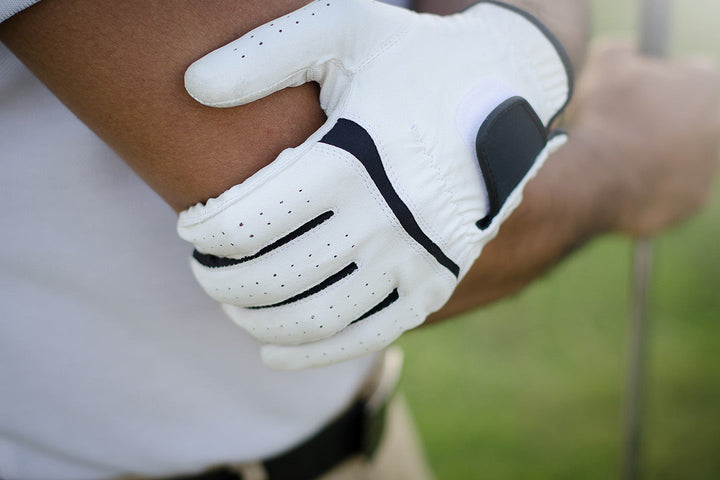

Elbow pain is common and can be caused by inflammation, overuse, bursitis (student elbow) or muscle strains. Common conditions include tennis elbow and golfer's elbow, both of which are caused by repetitive strain on the hand and wrist. Problems can also occur when the elbow is overextended, especially in explosive sports.
What is elbow pain?
The elbow joint consists of several tendon attachments and muscles that are often subjected to heavy strain. Pain usually occurs over the inside or outside of the joint where the tendons attach, but can also be located at the tip of the elbow in the case of bursitis. The inflammation often develops as a result of repeated, one-sided movements or prolonged strain.
Common causes & risk factors
Elbow pain can be caused by a number of different things. Tennis elbow is an inflammation of the tendon attachment on the outside of the elbow and is often associated with repetitive movements of the hand and wrist, sometimes referred to as mouse elbow. Golfer's elbow instead affects the tendon attachment on the inside of the elbow but occurs through similar mechanisms. Another common cause is bursitis, which causes pain at the tip of the elbow and is often triggered by prolonged pressure against hard surfaces. Overextension, or hyperextension, can also cause problems and is particularly common in explosive sports such as handball, volleyball or athletics.
Symptoms
- Local pain on the inside or outside of the elbow
- Tenderness when pressure is applied over the tendon attachments
- Stiffness and difficulty gripping or lifting
- Swelling or increased heat locally in the elbow
- Pain with movement, strain, or pressure on the tip of the elbow
When should you seek medical attention?
Seek medical attention if the pain does not go away after rest and relief, if you experience prolonged swelling, or if the mobility of your elbow is severely limited.
Recommended protection & support
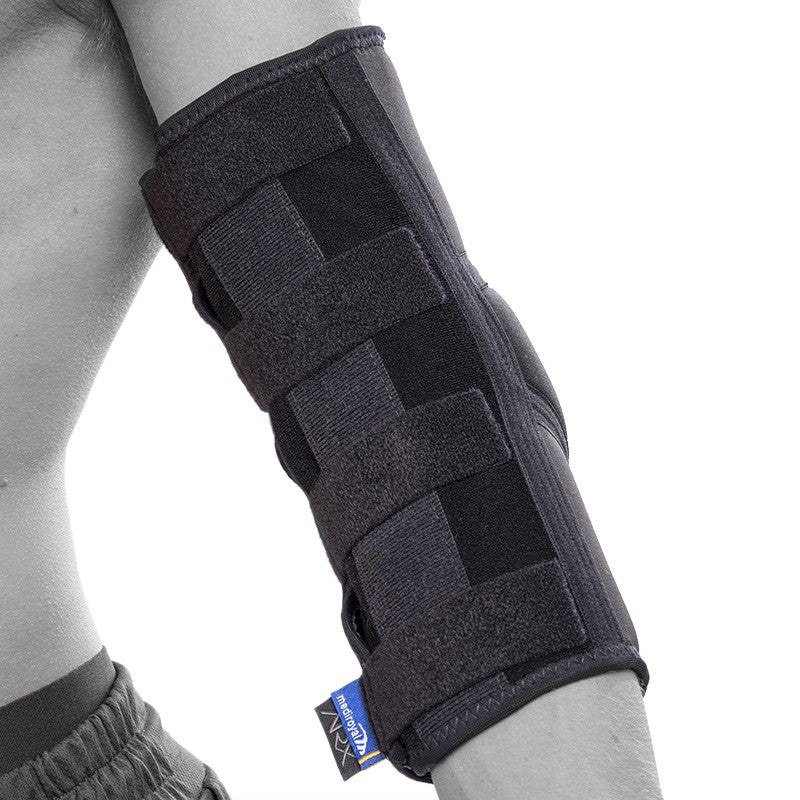
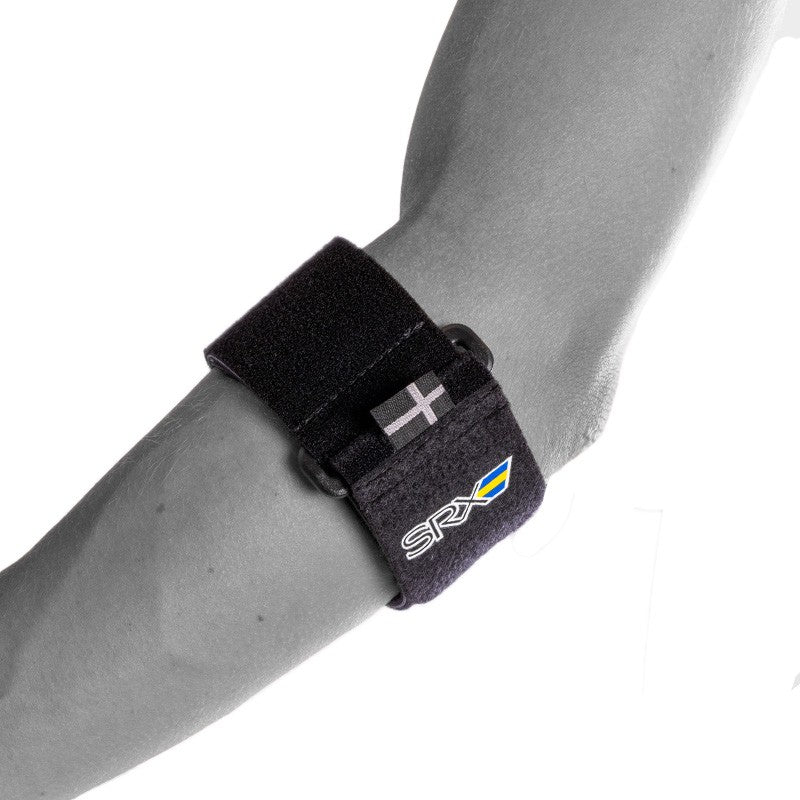
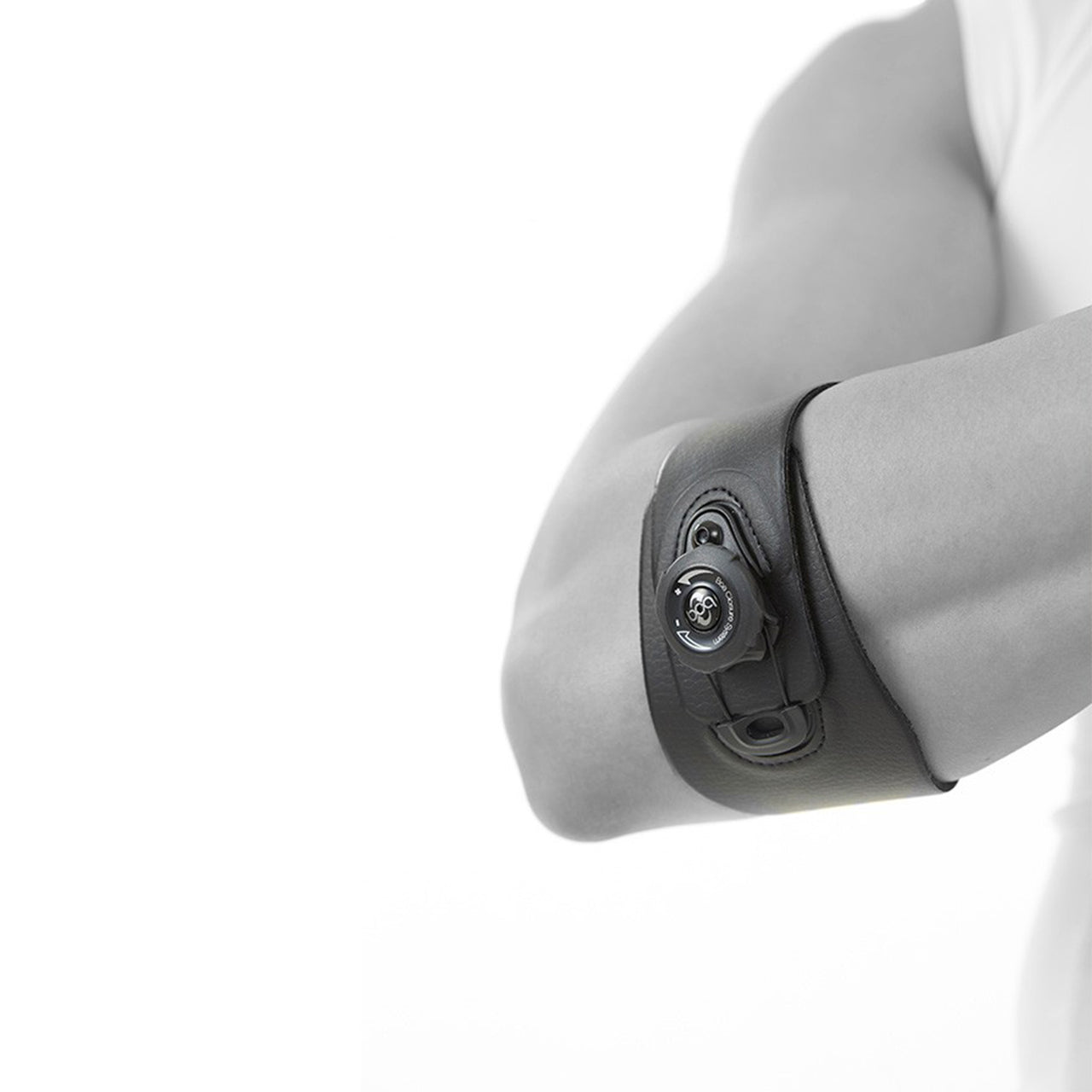
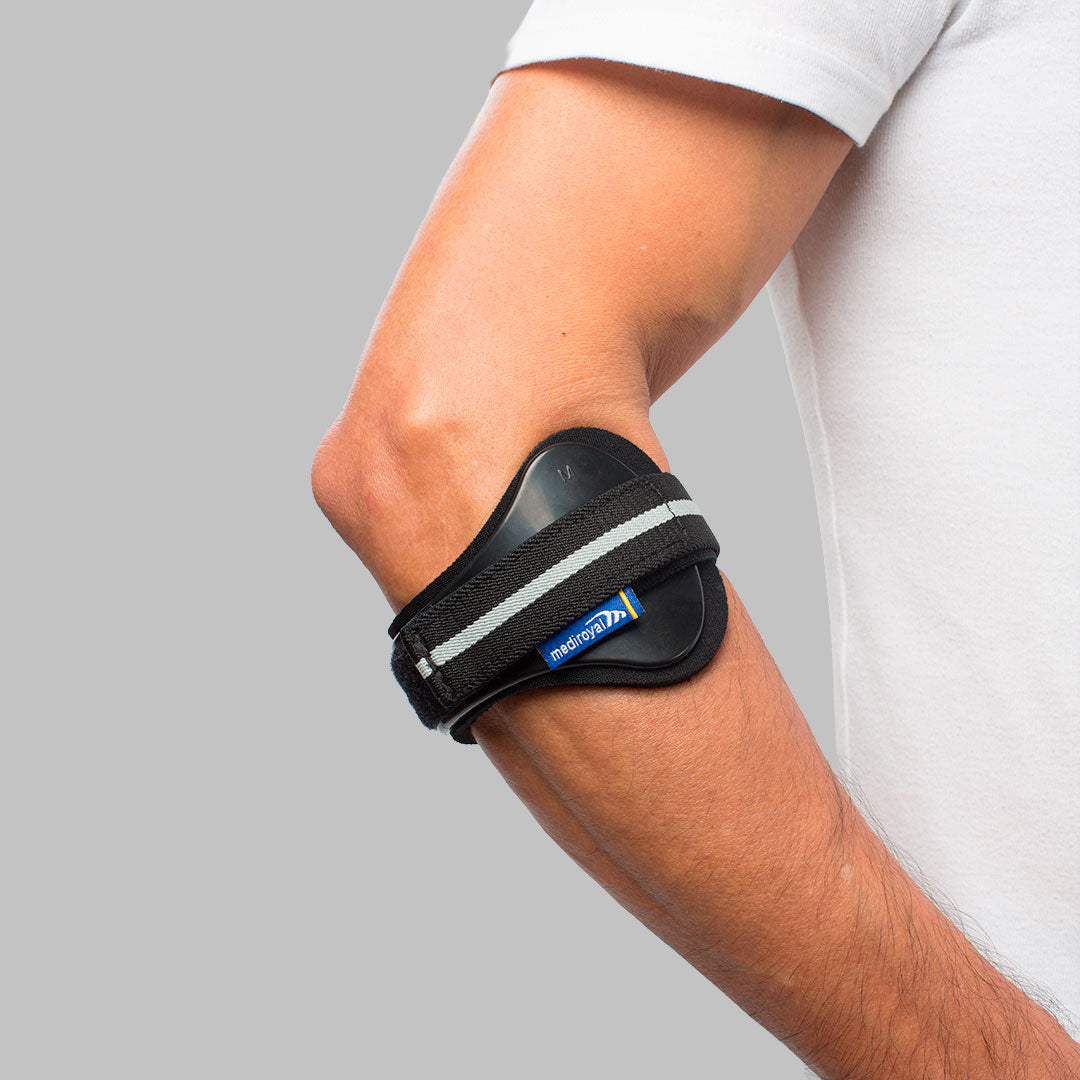
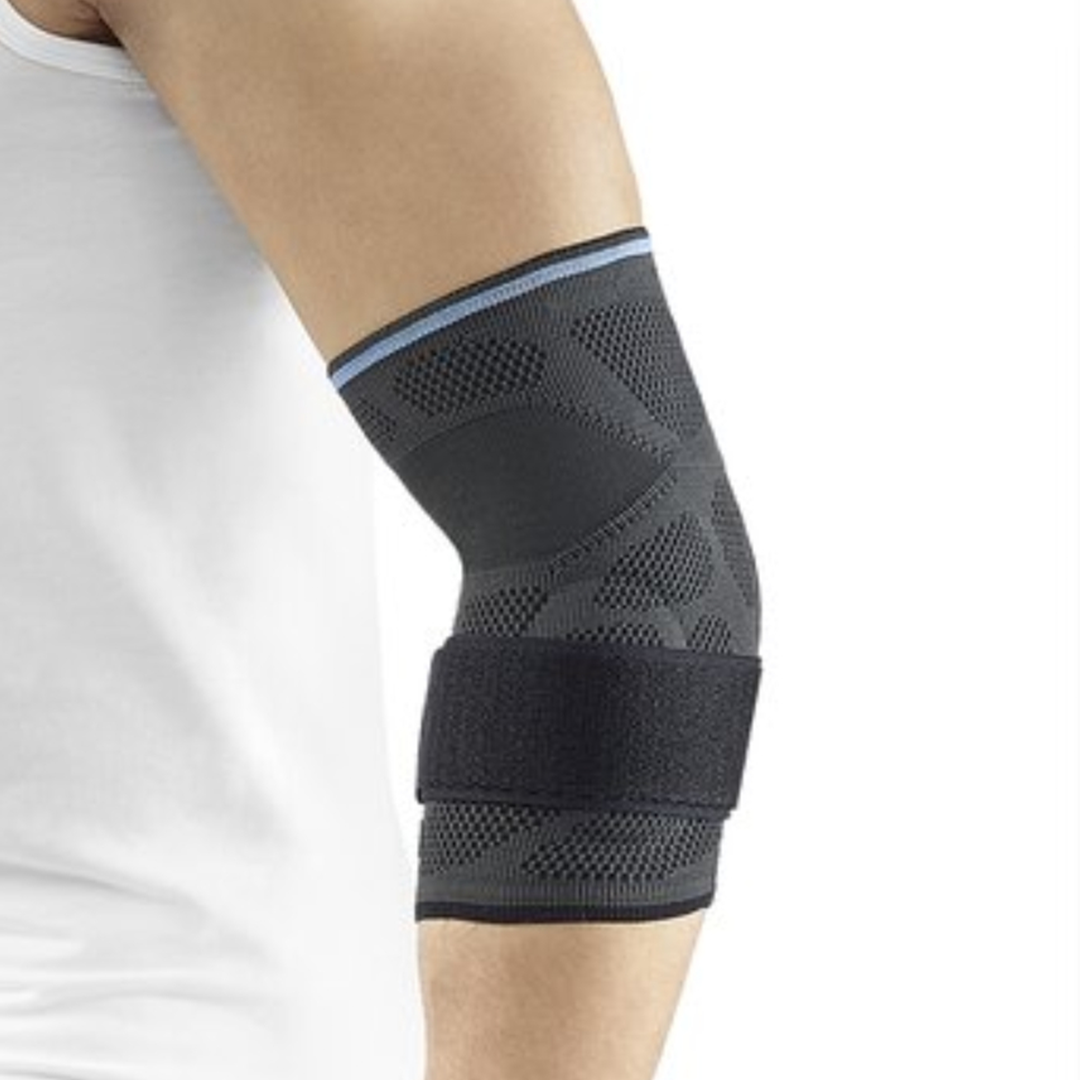
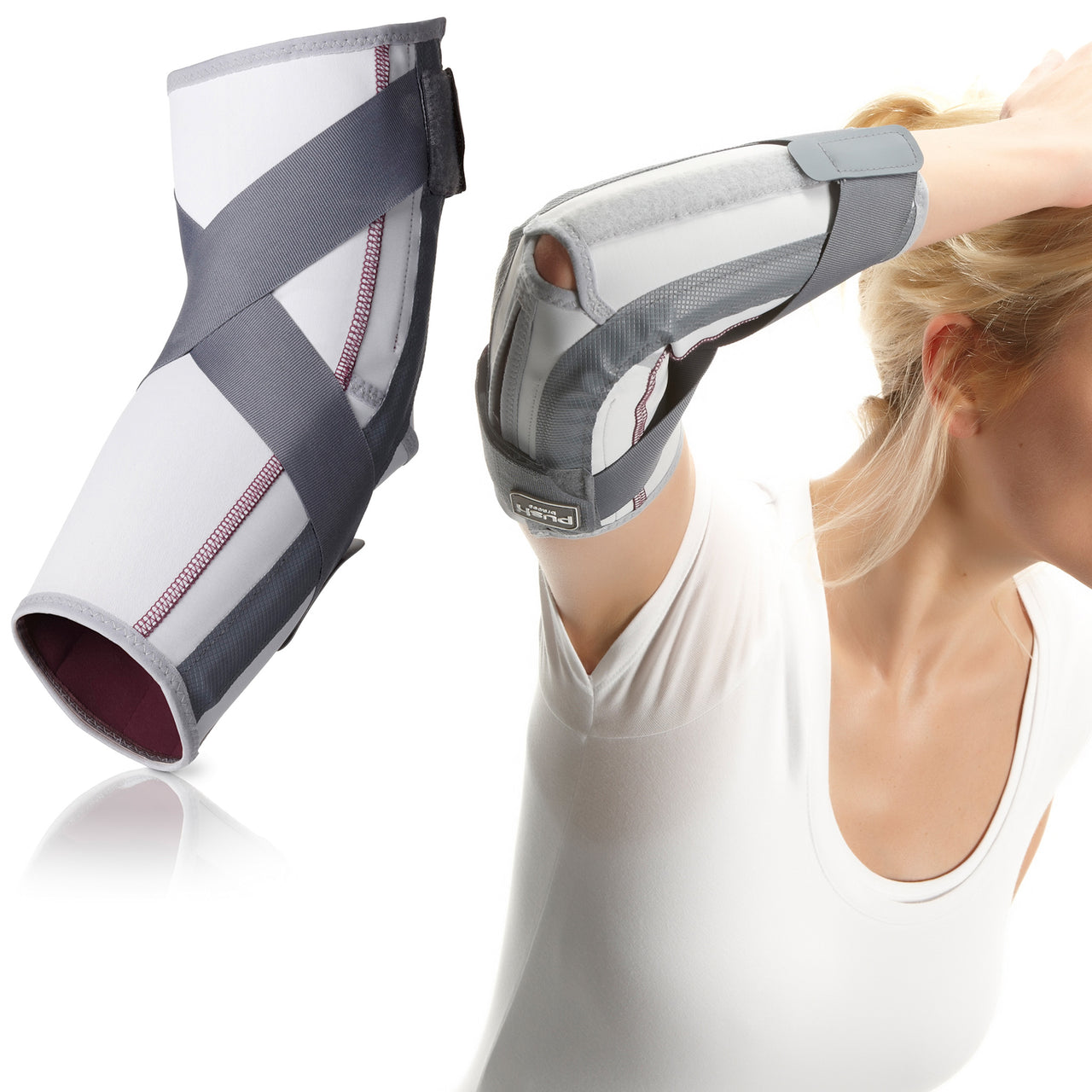
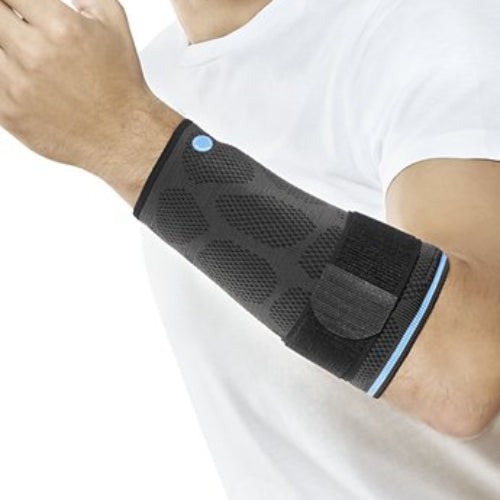
If you have elbow pain, the right support and offloading can help reduce pain and provide greater confidence during activity. Offloading elbow braces can reduce strain on the tendon attachments and help relieve inflammation, while compression supports help reduce swelling and may also provide pain relief. For hyperextension problems, range-of-motion elbow braces are often used to protect against harmful movements. In addition, ergonomic aids at home and in the workplace can reduce the risk of repetitive strain and support a faster recovery.
See all supports and braces that can help relieve elbow pain
Related injuries
For more information about arm and elbow problems, you can read more in the Injury Guide Arm, and you can also go to the Injury Guide main page to read about other injuries and symptoms.