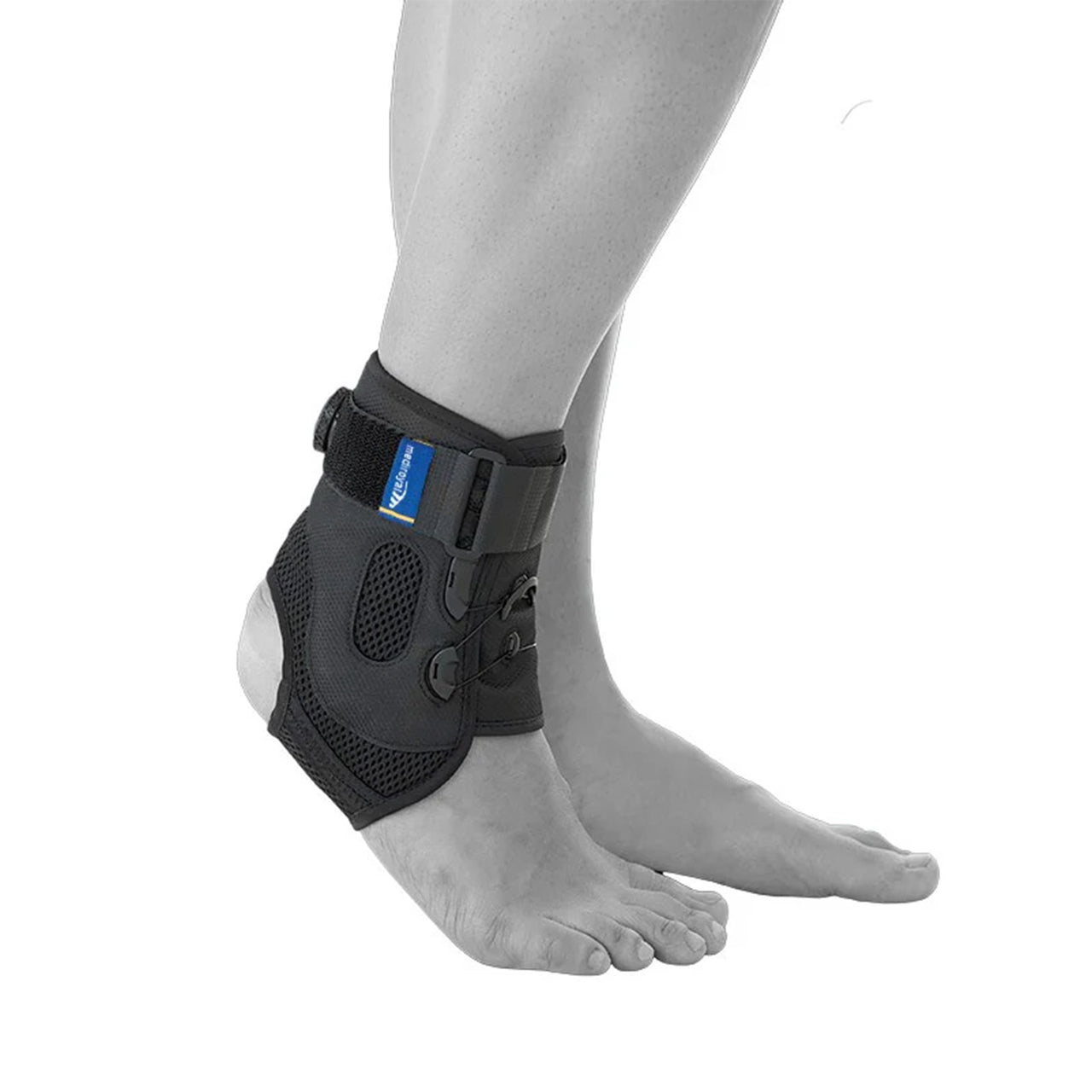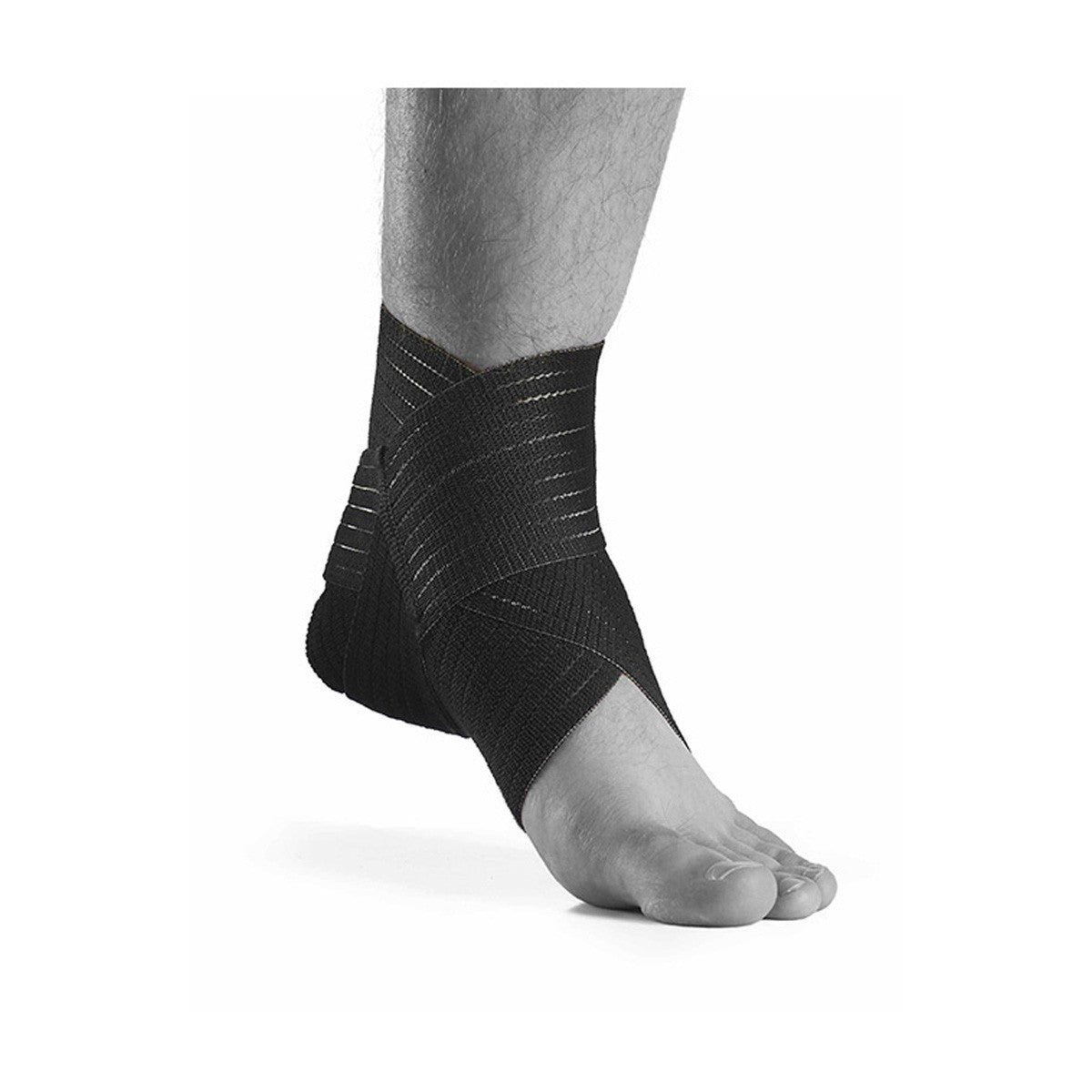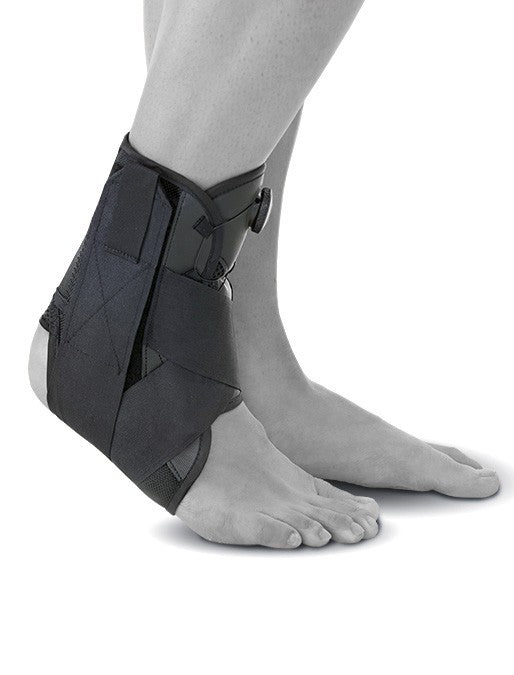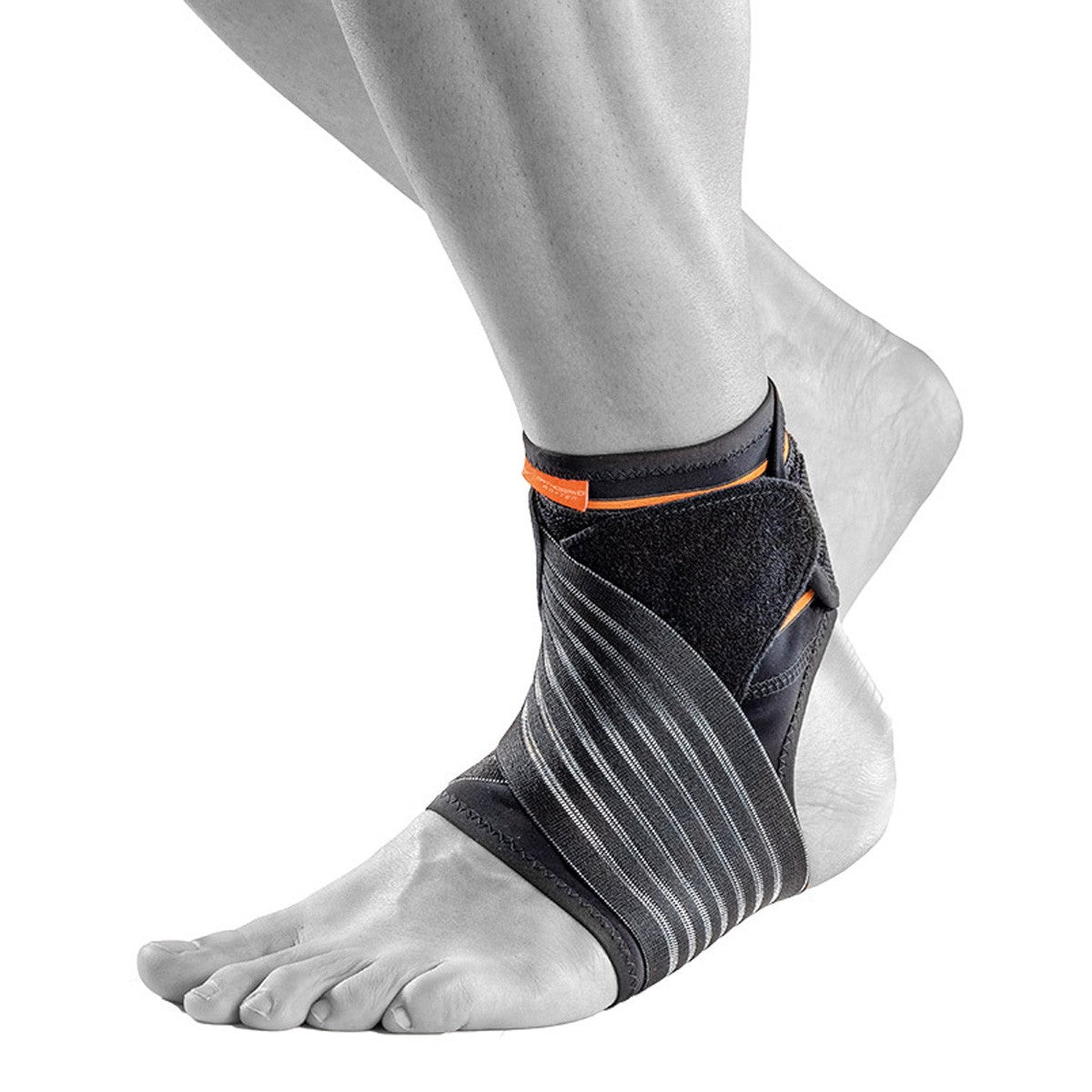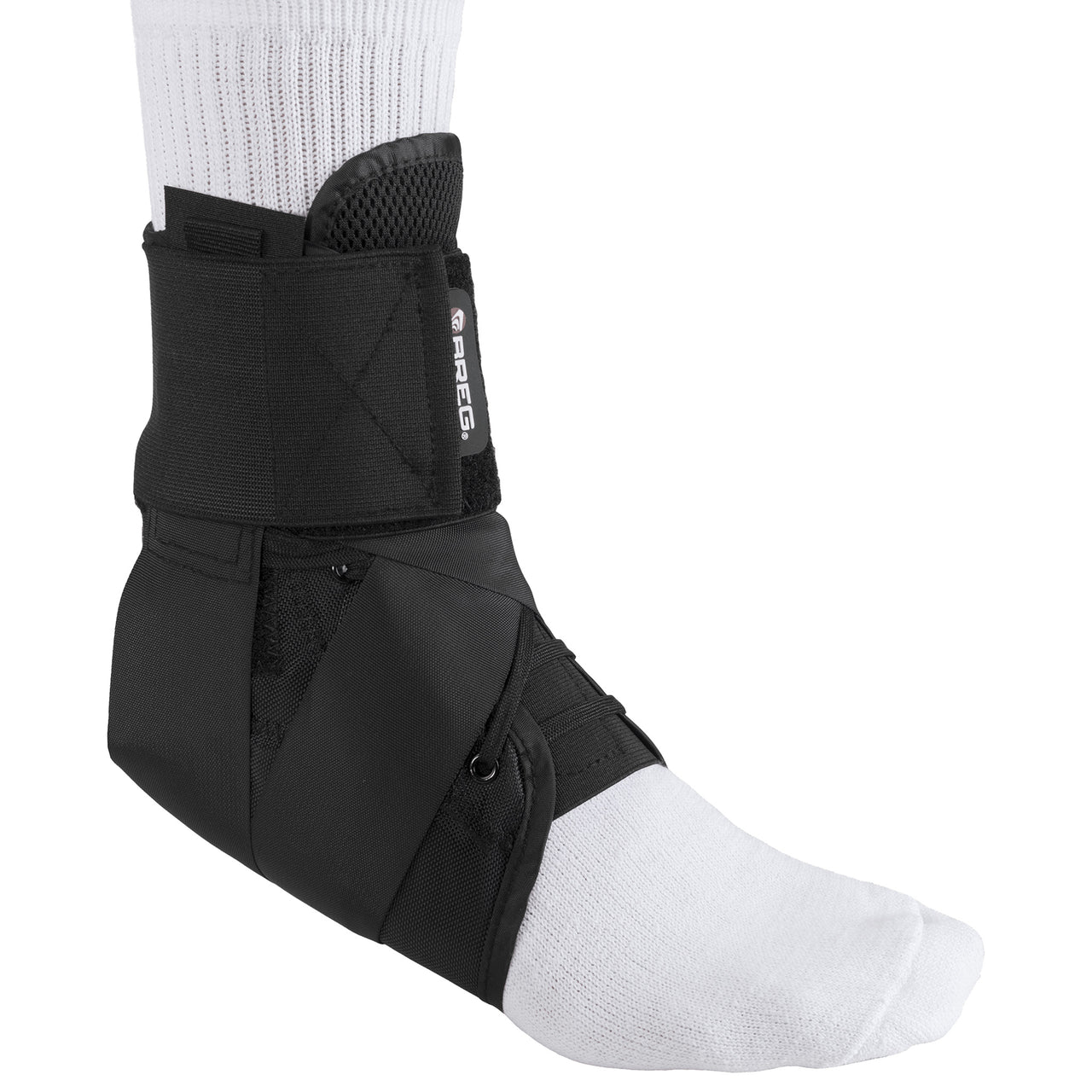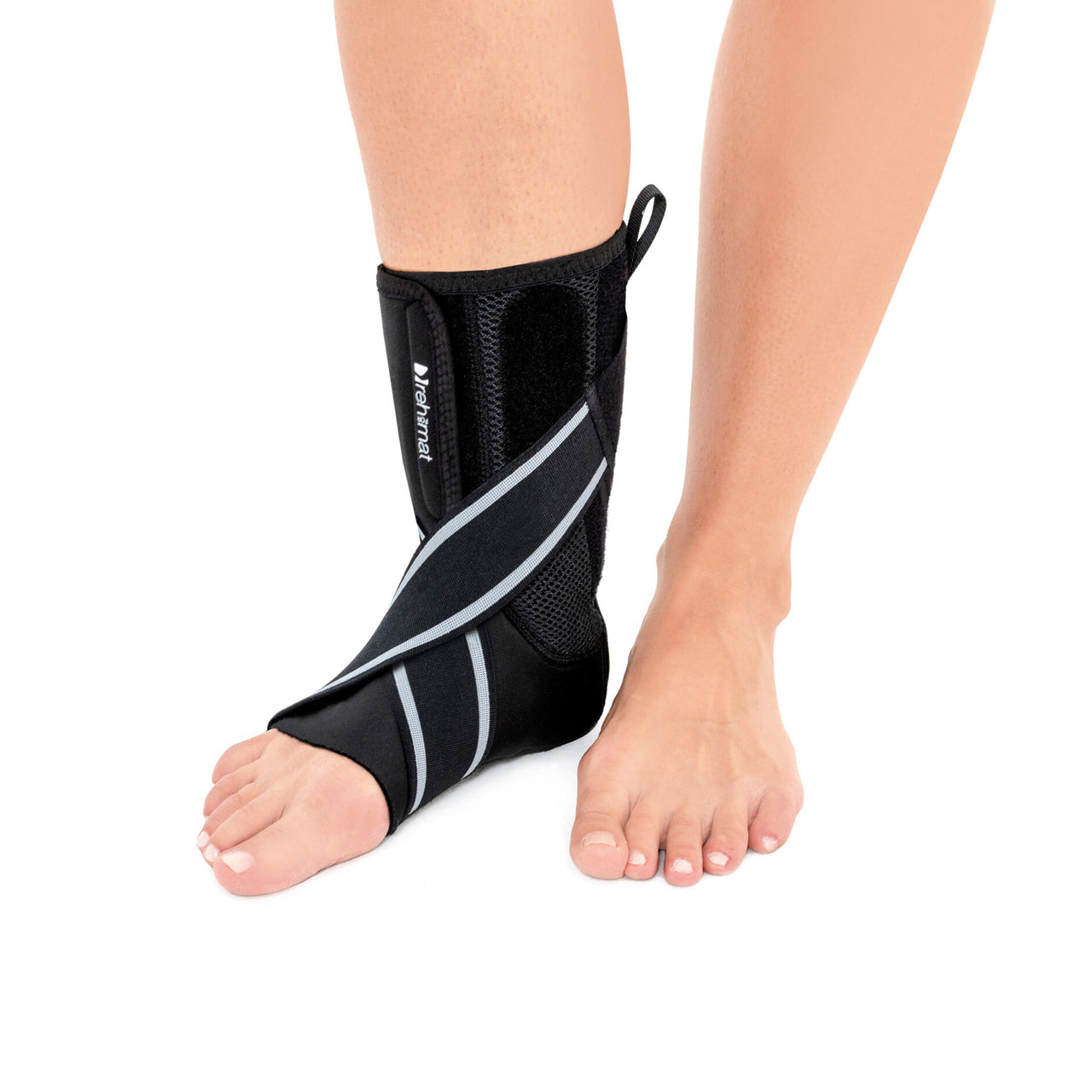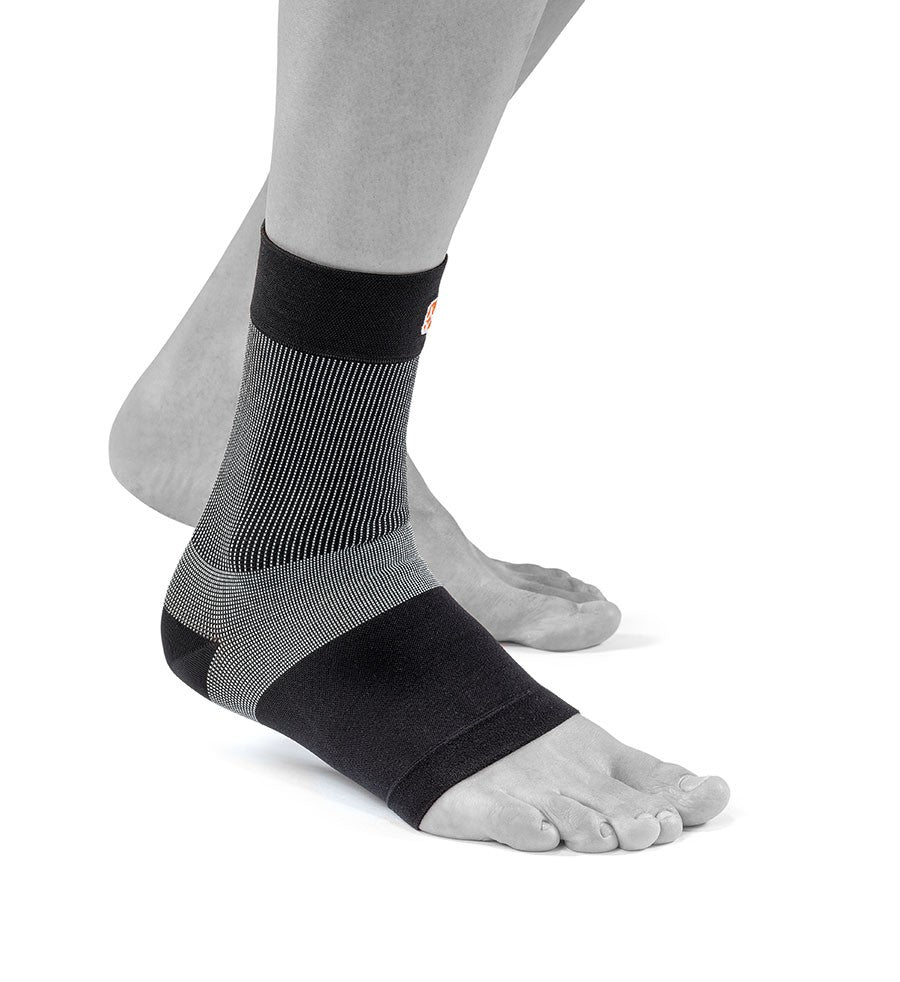

Ankle instability is a common problem after repeated sprains or strains. The injury often leads to a feeling of instability when putting weight on the ankle, especially on uneven surfaces. With the right support, stability can be improved and the risk of further injury can be reduced.
What is unstable ankle?
Ankle instability occurs when the ligaments lose their full function, usually after repeated sprains. The problems are most noticeable when walking or doing activities on uneven surfaces, where the foot bends easily. In some cases, the condition is called chronic ankle instability. Shoe choice also affects - shoes with heels or poor support make the instability more noticeable.
Symptoms
- Feeling that the foot is bending under load
- Uncertainty on uneven surfaces
- Pain or discomfort with activity
- Recurrent sprains
Common causes & risk factors
The most common cause of ankle instability is previous ankle sprains, most often affecting the outside of the ankle. Inadequate rehabilitation after an injury increases the risk of long-term instability. Factors such as inappropriate footwear, high physical loads, and uneven surfaces can also worsen the condition.
When should you seek medical attention?
If you frequently sprain your foot, feel constant instability, or if the problems affect your everyday life and activities, it is wise to contact healthcare. Especially if rehabilitation and support do not help.
Recommended protection & support
For an unstable ankle, the right support can improve stability and provide greater confidence during everyday activities and exercise.
View all supports and braces that can help relieve ankle instability
Related injuries
In our Injury Guide Foot & Heel, you can learn more about common foot injuries and conditions. You can also go to the Injury Guide's main page to read about other injuries and symptoms.