
Pronation describes the natural inward movement of the foot under load and functions as an important part of the body's shock absorption. In most people, pronation is completely normal, but when the angle becomes too large, overpronation occurs, which can lead to pain and overuse injuries.
What is pronation in the foot?
Pronation means that the foot moves inward when under load. A normal pronation angle is around 6–8°, while mild pronation is 9–11°. Overpronation, more than 11°, increases the risk of overuse injuries in the foot, lower leg and upper body. People with flat feet always pronate, as the low arch of the foot creates increased inward movement.
Symptoms
- Pain in the foot, lower leg, or knee
- Feeling of tiredness in the feet after activity
- Overuse injuries affecting the soft tissues of the foot and leg
- Incorrect posture in steps that affects the knee, hip or back
Common causes & risk factors
Overpronation is often associated with low arches or flat feet. It can cause or worsen several conditions, including shin splints, plantar fasciitis, pain on the inside of the knee, and medial knee osteoarthritis. The risk increases when walking or running on hard surfaces, wearing inappropriate footwear, and during high levels of physical activity in sports or everyday life.
When should you seek medical attention?
If you have persistent pain, recurring injuries, or problems that affect your walking pattern and everyday activities, it is wise to contact healthcare for further assessment.
Recommended protection & support
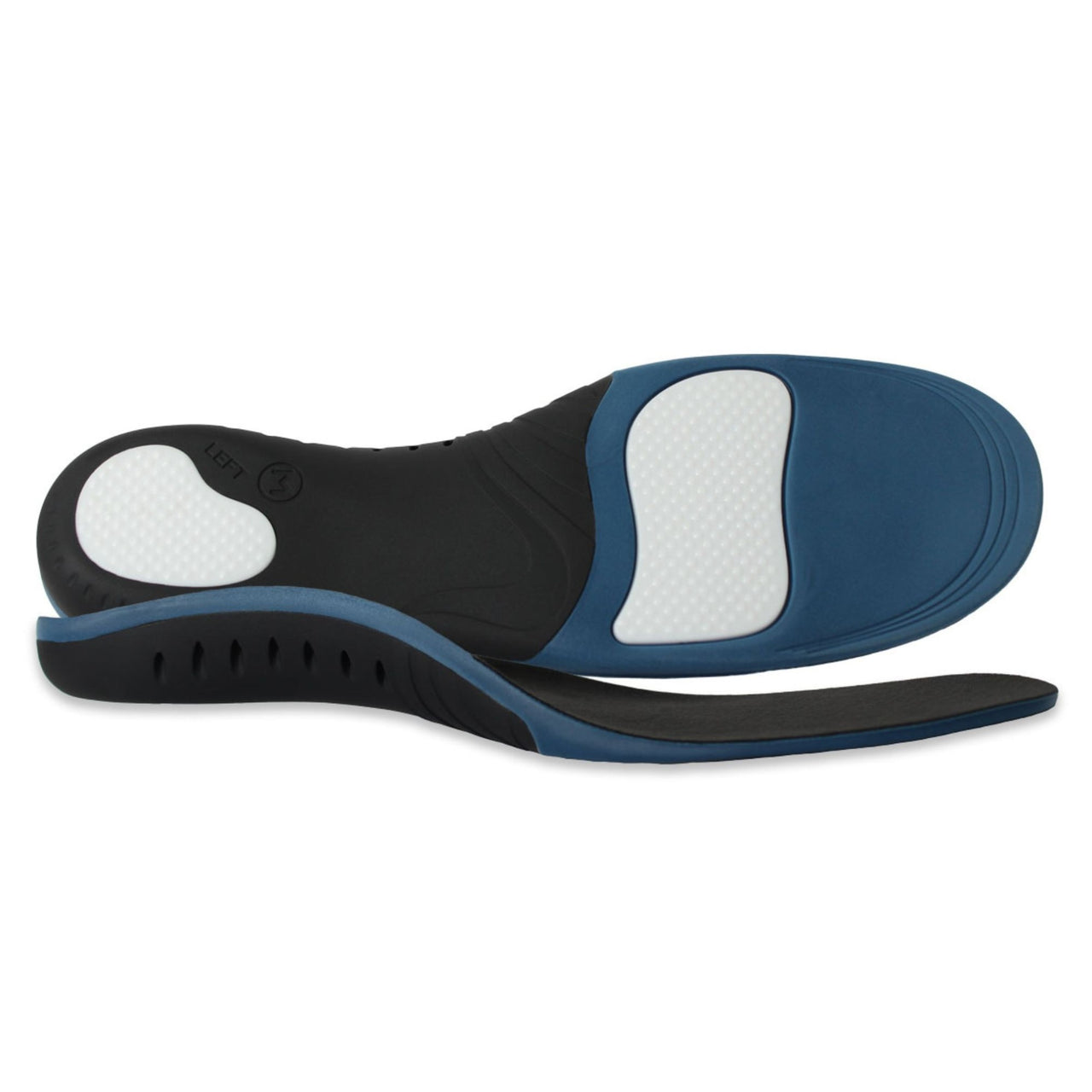
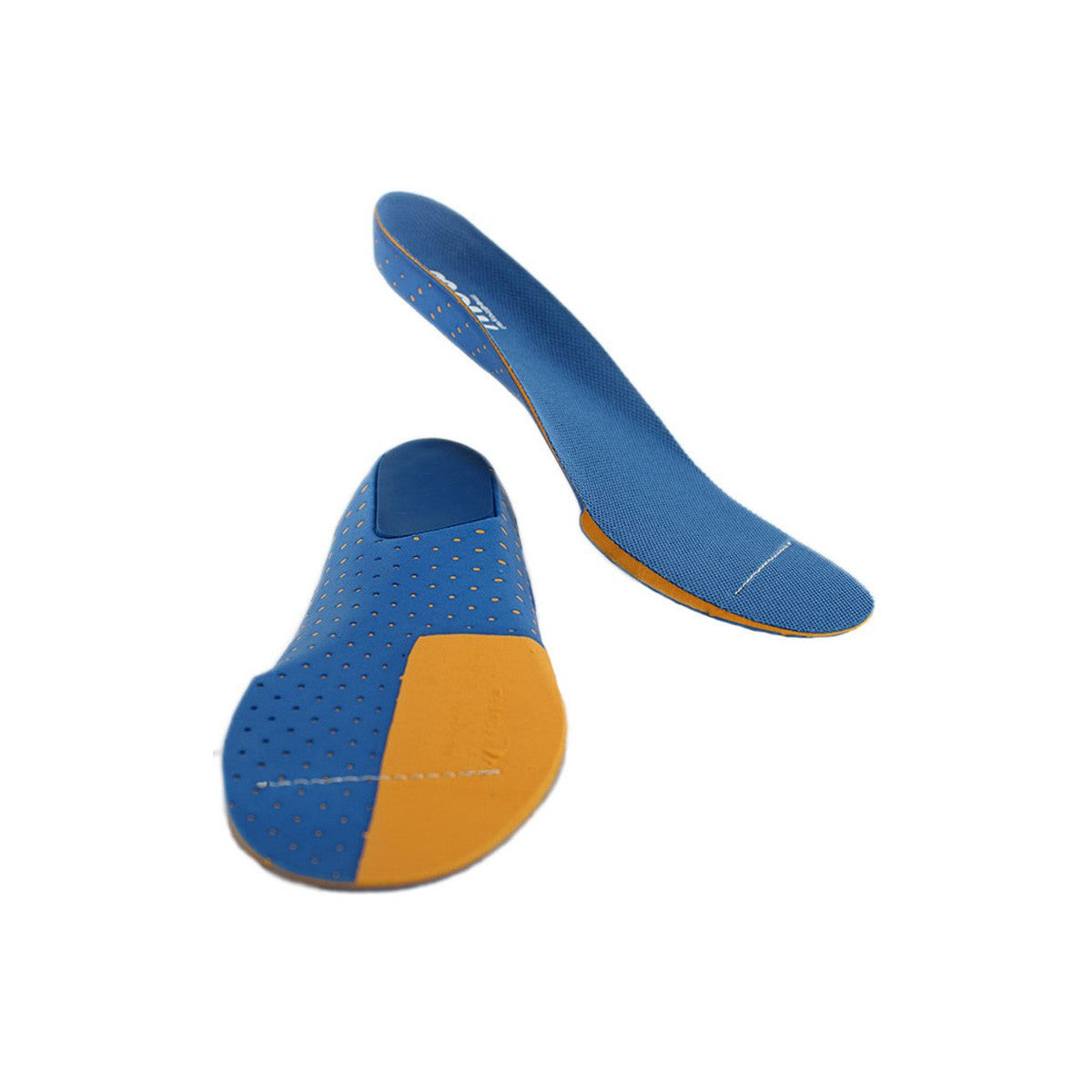
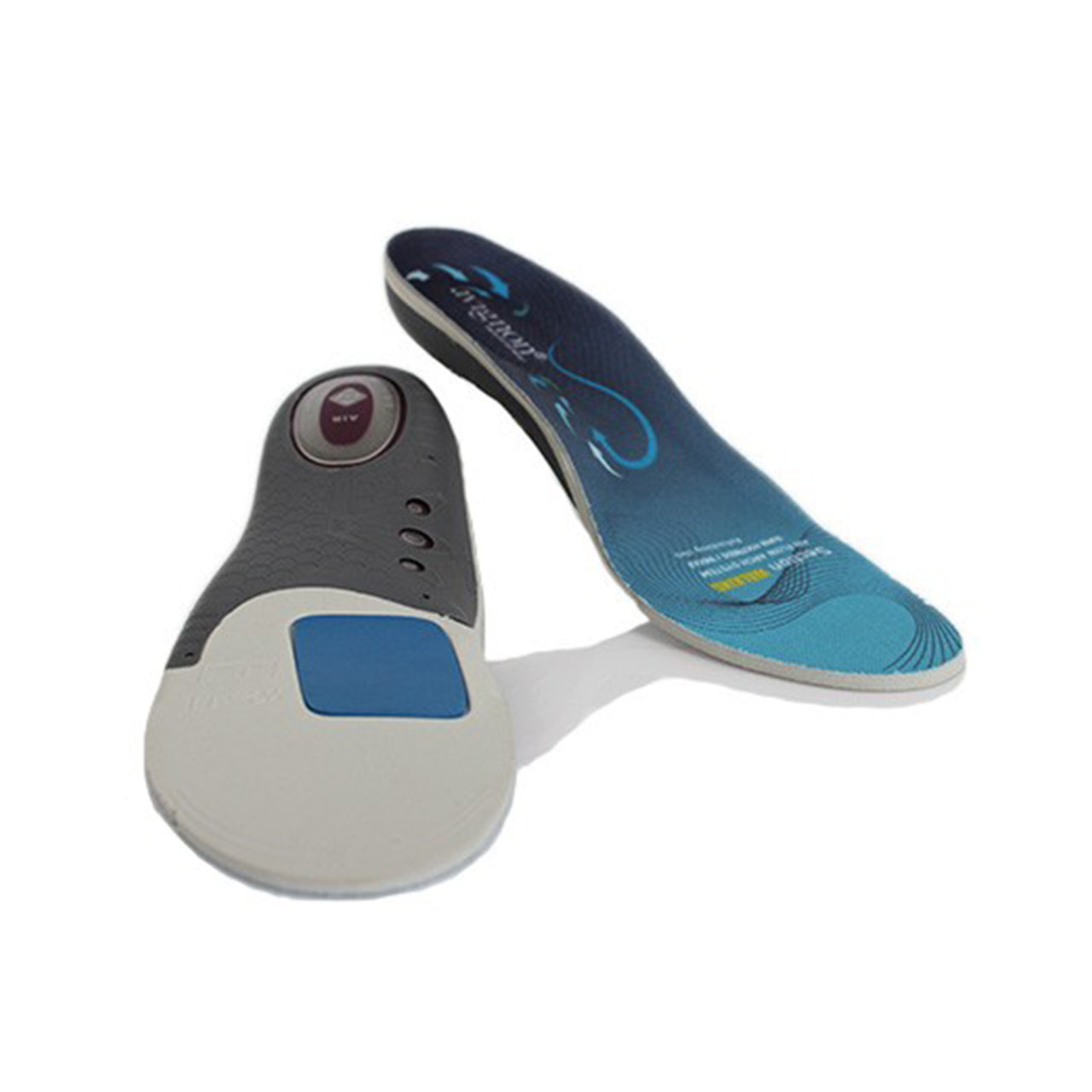
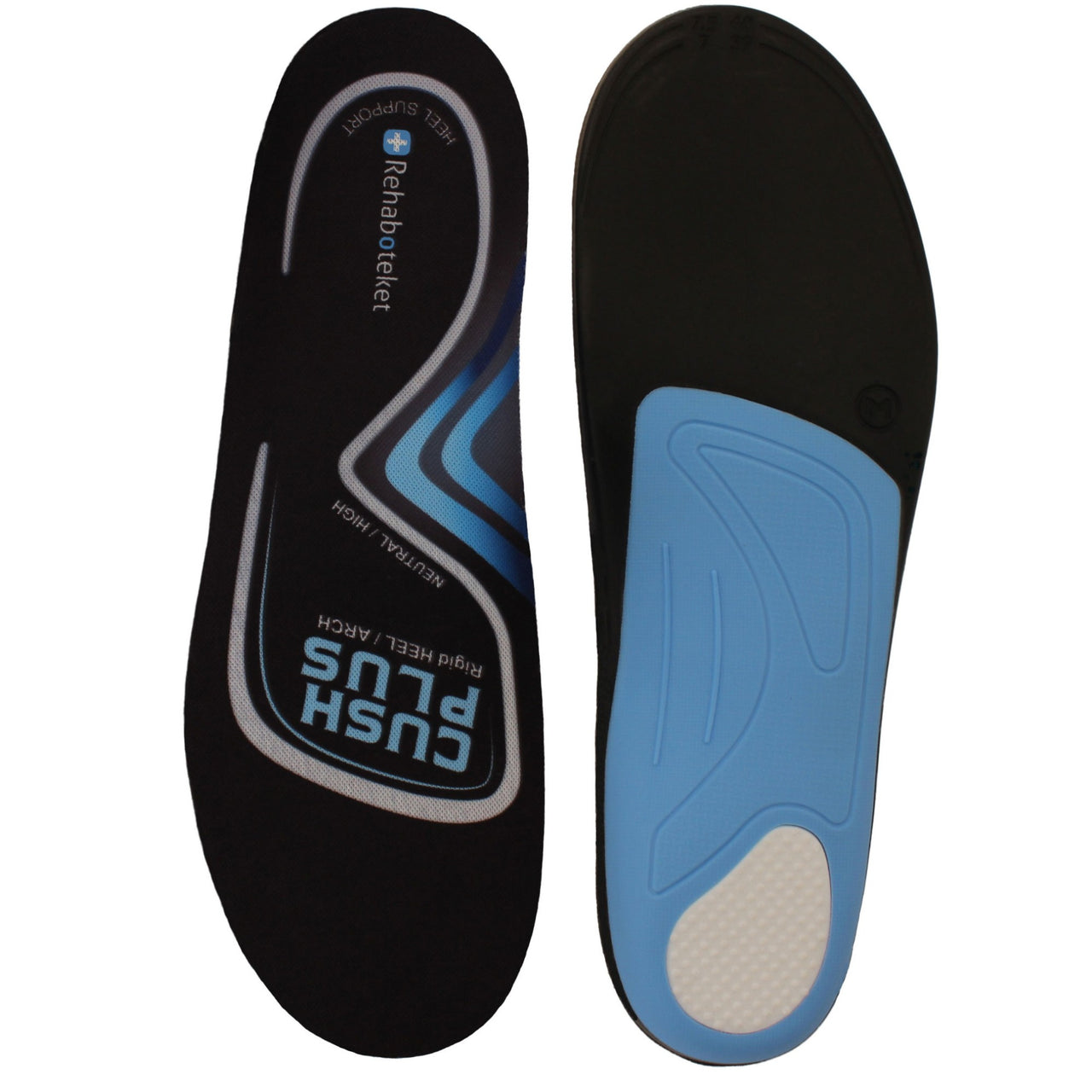
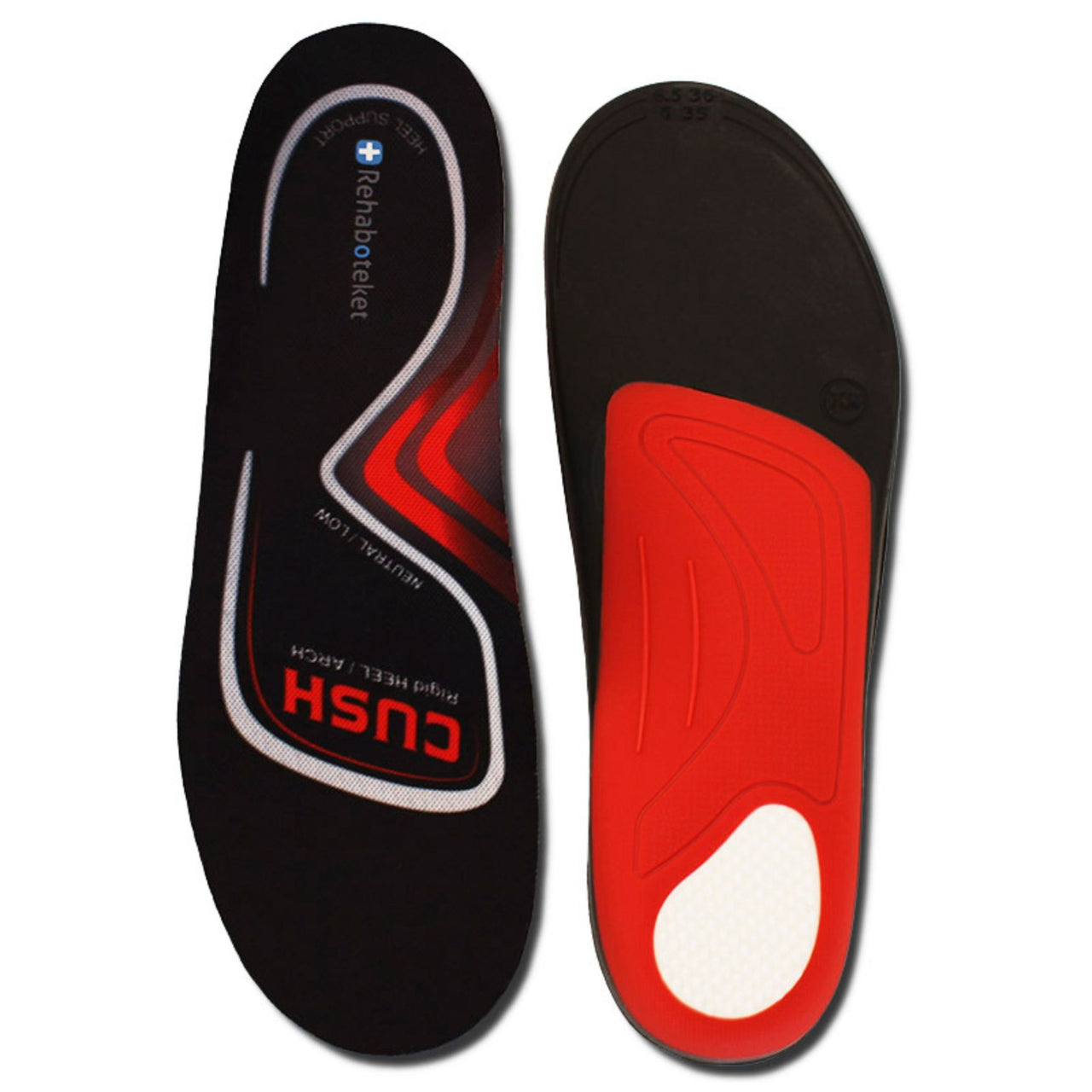
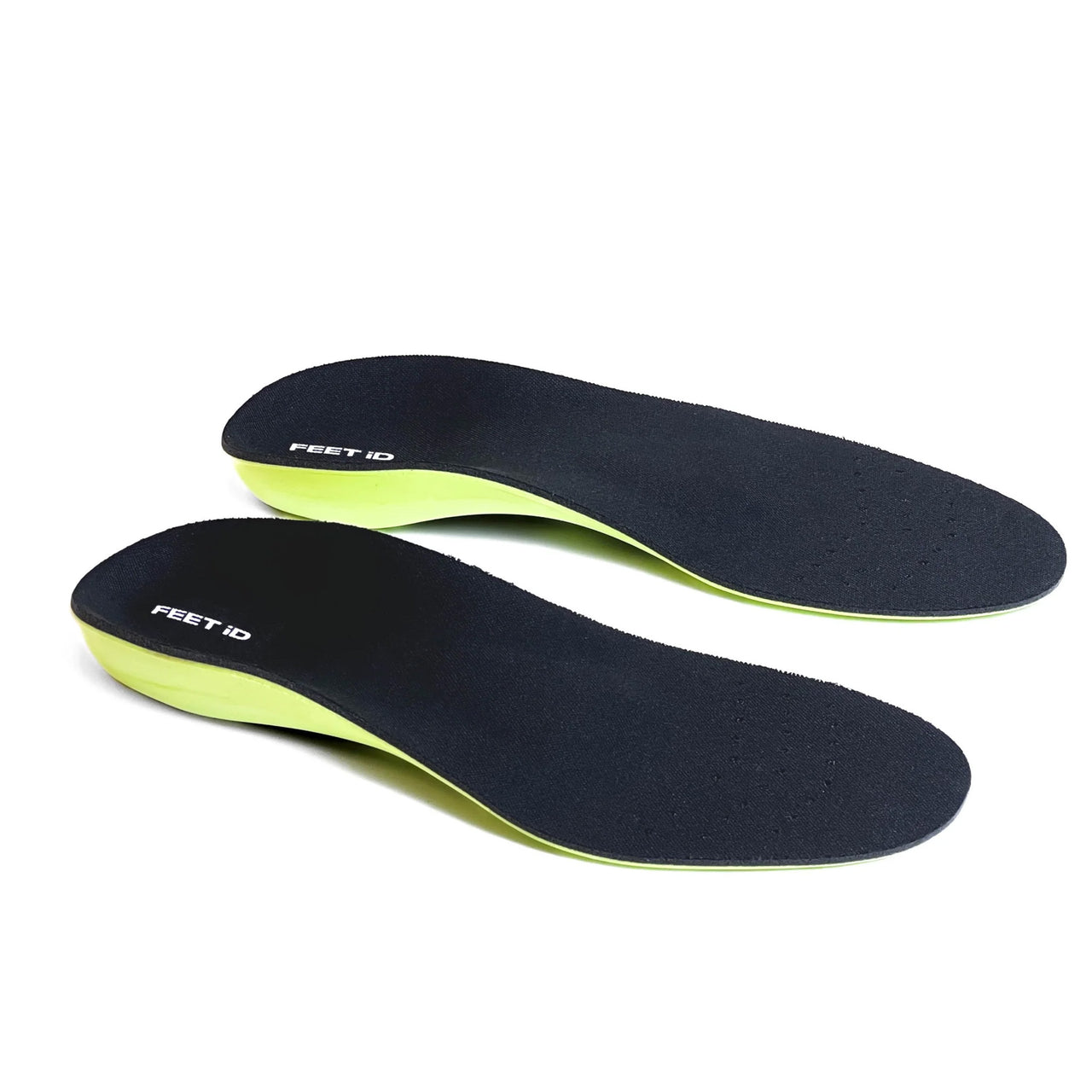
For foot pronation, the right support can improve stability, distribute load more evenly, and increase comfort during everyday activities and exercise.
View all supports and braces that can help relieve foot pronation
Related injuries
In the Injury Guide Foot & Heel, you can learn more about common foot injuries and conditions. You can also go to the Injury Guide's main page to read about other injuries and symptoms.