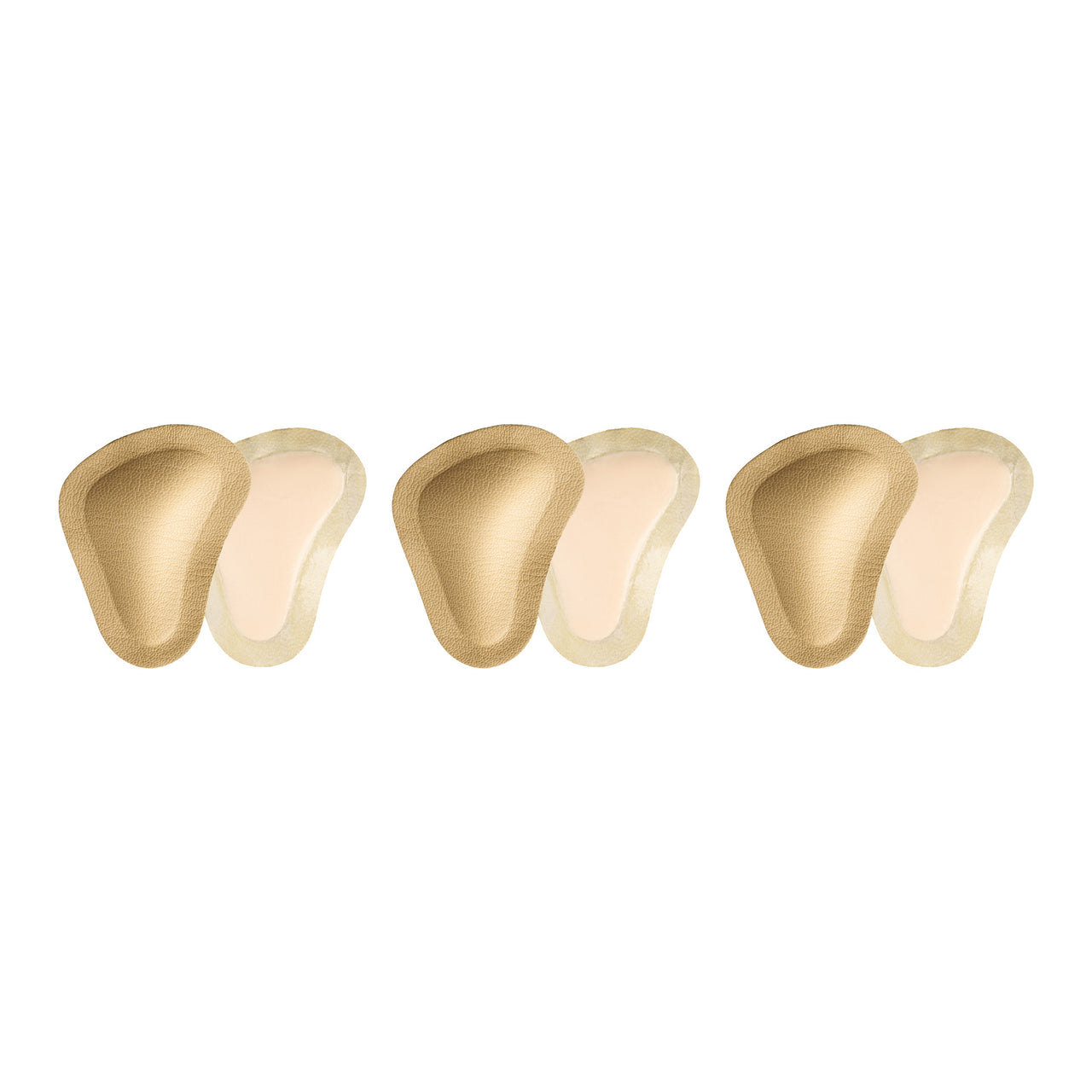
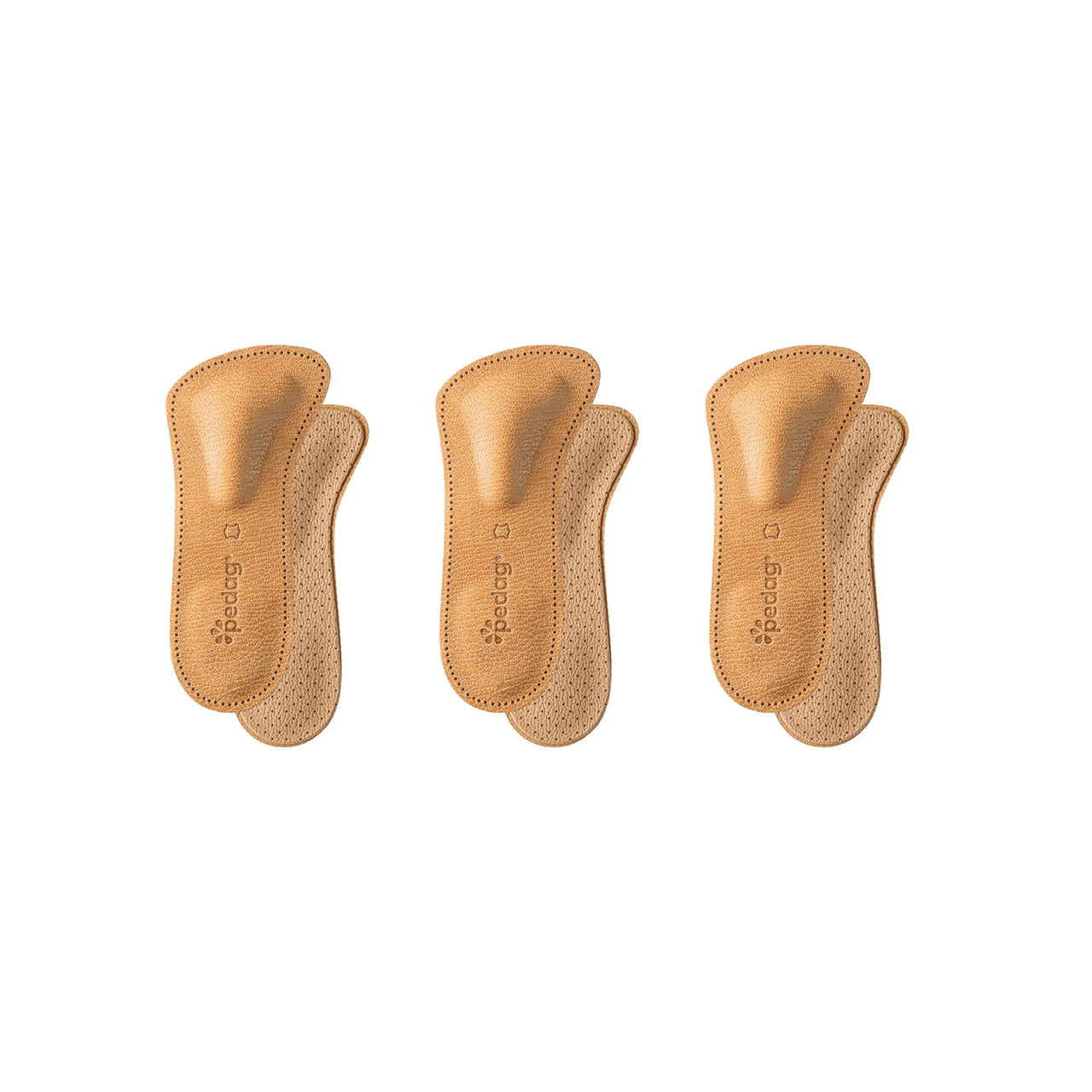
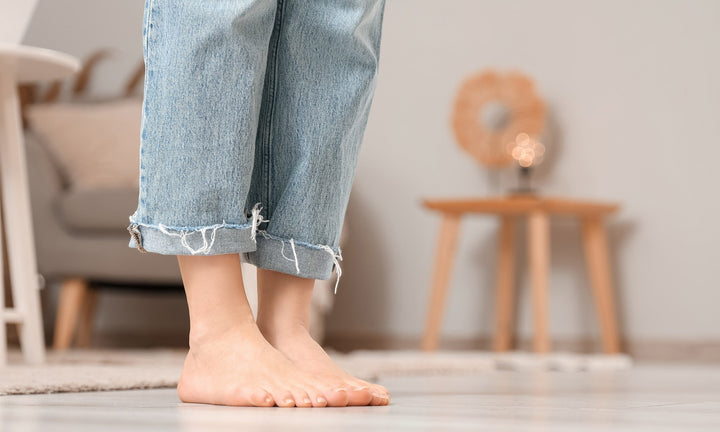
Morton's neuroma, also known as Morton's syndrome, is a common cause of forefoot pain. The condition involves a nerve in the forefoot being pinched or irritated between the metatarsal heads, which can lead to both dull and intense pain. The right support in your shoe can relieve pressure on the forefoot and reduce discomfort.
What is Morton's neuroma?
Morton's neuroma is a condition where a nerve in the forefoot becomes irritated or pinched, most often between the third and fourth metatarsal bones. When the space between the metatarsal heads decreases, the nerve can be subjected to pressure, causing pain, numbness, or a burning sensation in the forefoot.
The discomfort often arises when the transverse arch of the foot collapses and the load on the forefoot increases. The pain can be described as sharp, burning, or like an electric shock and is often worsened by tight or high-heeled shoes.
Physiotherapist's tips for Morton's neuroma
"With Morton's neuroma, it is important to reduce pressure on the nerve in the forefoot. A metatarsal pad or an insole with a metatarsal pad can help distribute the load and relieve pressure on the irritated nerve. The metatarsal pad needs to be positioned correctly, and the shoes should be roomy enough to provide relief without compressing the forefoot."
Ida
Licensed physiotherapist · Rehaboteket
Symptoms
- Local pain in the forefoot, usually between the third and fourth toes
- "Stabbing" or electric pain with weight-bearing
- Pain that can occur even at rest if the nerve becomes inflamed
- Recurring calluses under the forefoot are a sign of a fallen arch
Symptoms of Morton's neuroma often arise in situations where the forefoot is subjected to pressure or compression.
When does Morton's neuroma hurt the most?
The pain of Morton's neuroma often occurs in situations where pressure on the forefoot increases.
When walking or standing with weight-bearing
When the forefoot is weight-bearing, pressure increases between the metatarsal heads, where the nerve can become irritated.
When wearing tight shoes
Shoes that compress the forefoot can increase pressure on the nerve and worsen the pain.
When wearing high heels
Heels shift body weight forward in the foot and increase the load on the forefoot.
During longer walks or activity
The pain can gradually increase after prolonged weight-bearing on the forefoot.
Common causes & risk factors
A fallen transverse arch is one of the most common causes of Morton's neuroma, as it reduces the space between the metatarsal heads of the foot and increases pressure on the nerve.
Tight shoes can compress the forefoot and further increase pressure. High heels shift body weight forward in the foot and increase the load on the forefoot. High training volume, prolonged walking on hard surfaces, and sports with a lot of forefoot strain can also contribute to the development of the condition.
When should you seek care?
For persistent forefoot pain that does not improve despite wider shoes, offloading, or insoles, seek medical attention for an assessment. This is especially true if the pain affects walking, exercise, or daily activities.
Recommended protection & support
For Morton's neuroma, the right protection and offloading can contribute to reduced pain and increased comfort in everyday life and activity. A common aid is a metatarsal pad, a special forefoot support that lifts the transverse arch.
The metatarsal pad reduces pressure between the metatarsal heads of the forefoot and offloads the nerve, often providing quick relief. Metatarsal pads can be attached directly to the shoe or be part of a 3/4 insole that can be moved between different shoes.
See all braces and supports that can relieve Morton's neuroma
Related injuries
For more knowledge about the foot and heel, you can read more in the Foot & Heel Injury Guide. You can also go to the Injury Guide main page to read about other injuries and symptoms.
The Injury Guide – quick guidance for common injuries
In our Injury Guide, you will receive clear and easy-to-understand information about common injuries, how they occur, and what symptoms usually occur. You will also receive recommendations on which protection and aids can relieve your discomfort and help you further in your rehabilitation. All information is based on expert knowledge from our licensed physiotherapist.
Find the right protection for your needs
There are several ways to find the right product on our website. For a more personalized selection, you can use our filters and sort by injury, body part, or sport. You can also get help from our AI assistant Eir, who is trained on all the content on our website and can help you with product recommendations, fit questions, and order-related concerns – 24/7. If you would prefer to speak directly with our licensed physiotherapist you can contact us via email or phone for personalized advice and support in selecting your product.