
Runner's knee (iliotibial band syndrome) is a common overuse injury among inexperienced runners and often occurs after increasing running volume too quickly. The injury causes distinct pain on the outside of the knee and may worsen with continued activity. With proper load management and rehabilitation exercises, symptoms can be relieved and recurring problems prevented.
What is runner's knee?
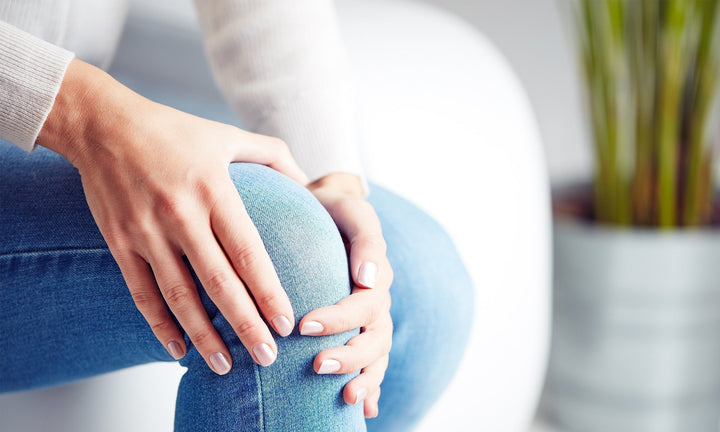
Runner's knee occurs when the iliotibial band (ITB) on the outside of the thigh becomes overloaded. An older explanation suggested that the pain was caused by friction as the tendon moved over the bony prominence on the outside of the knee during knee flexion. More recent research indicates that the pain is instead caused by compression of the sensitive tissue beneath the tendon. The irritation often leads to local inflammation and pain, which may initially feel diffuse but later becomes sharp during running or other repetitive activities.
Common causes and risk factors
The most common cause of runner's knee is increasing your running volume too quickly, not allowing the tissue enough time to adapt to the increased load. Running downhill and on narrow forest trails can be particularly demanding because the incline places high forces on the tendon, and a narrower running stride can further increase the load on the tissue.
Symptoms
- Sharp pain on the outside of the knee, often over the lower outer part of the femur.
- The pain gradually increases during running and may force you to stop the activity.
- Tenderness to pressure and sometimes mild swelling or local warmth.
- Symptoms often improve with rest but quickly return when the knee is loaded again.
When should you seek medical advice?
If the pain does not improve despite reducing your activity level, if the symptoms return with every activity, or if your knee becomes swollen, you should seek help from a physiotherapist or healthcare professional.
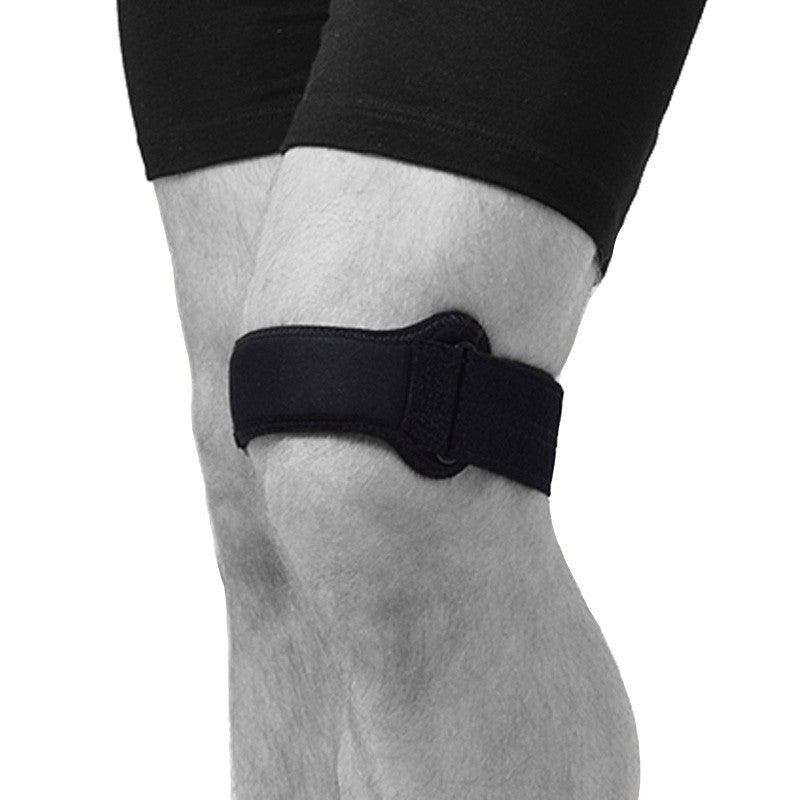
Recommended supports and braces
With runner's knee, you often need to take a break from running to allow the symptoms to settle. Replace running with alternative forms of exercise that do not aggravate the symptoms, such as cycling or swimming.
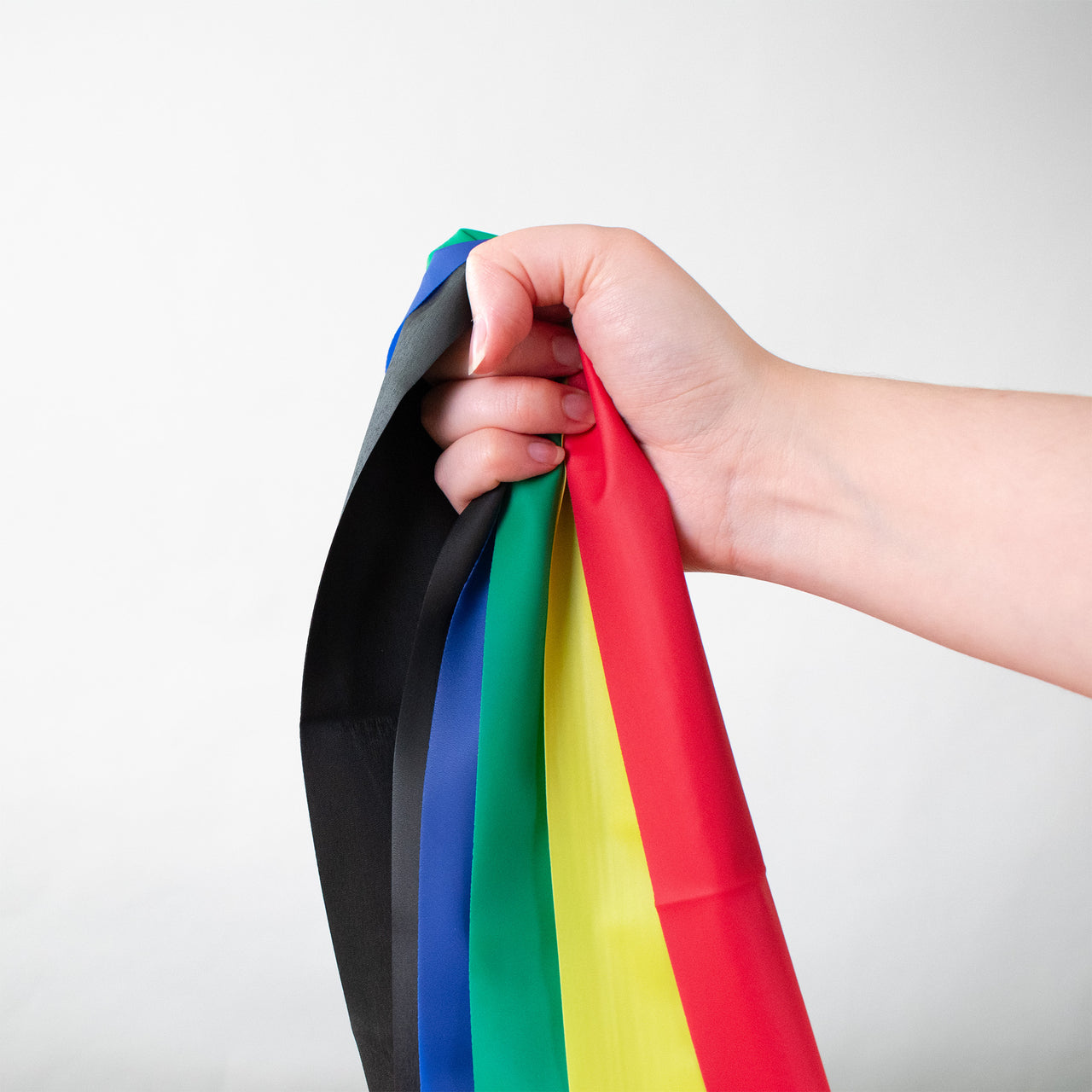
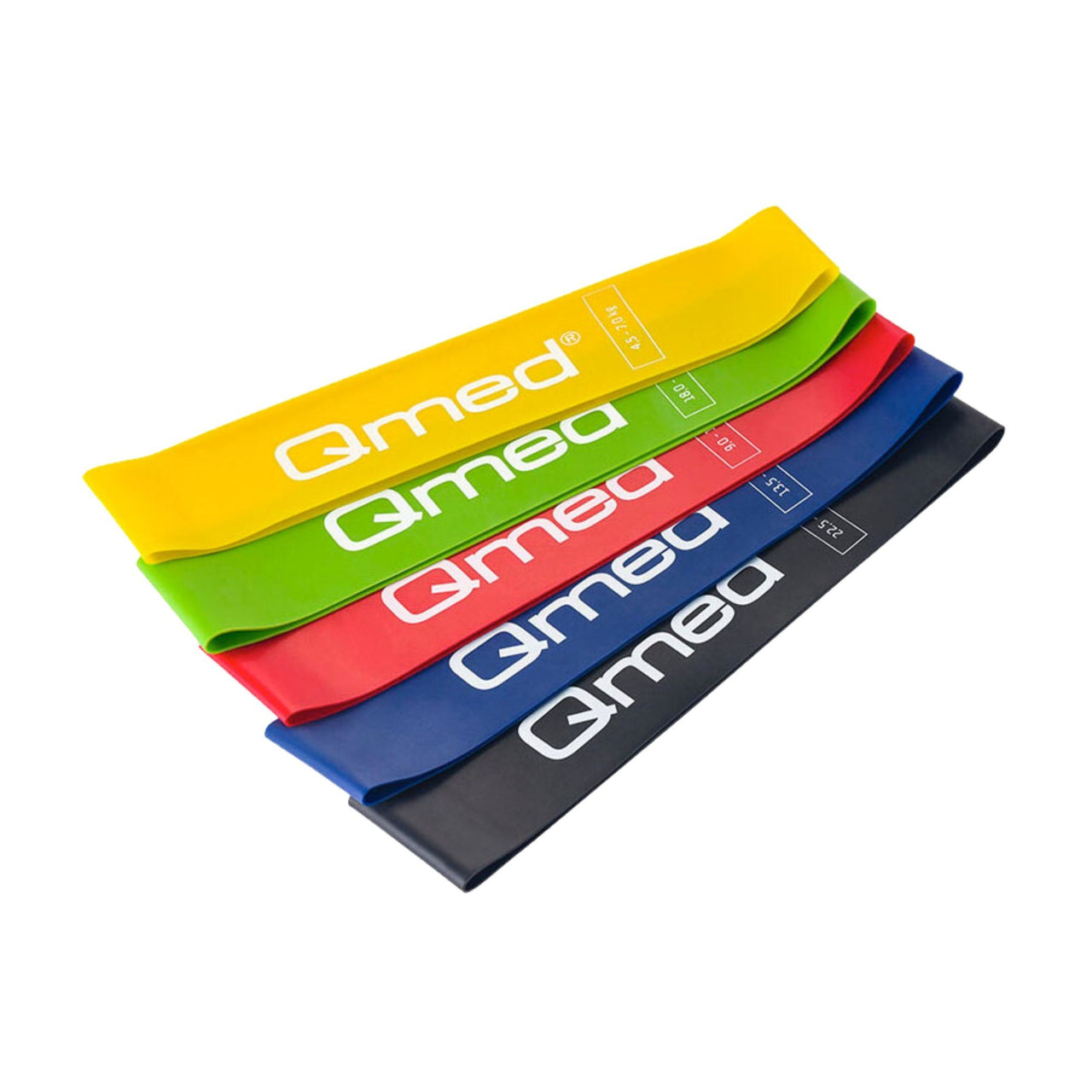
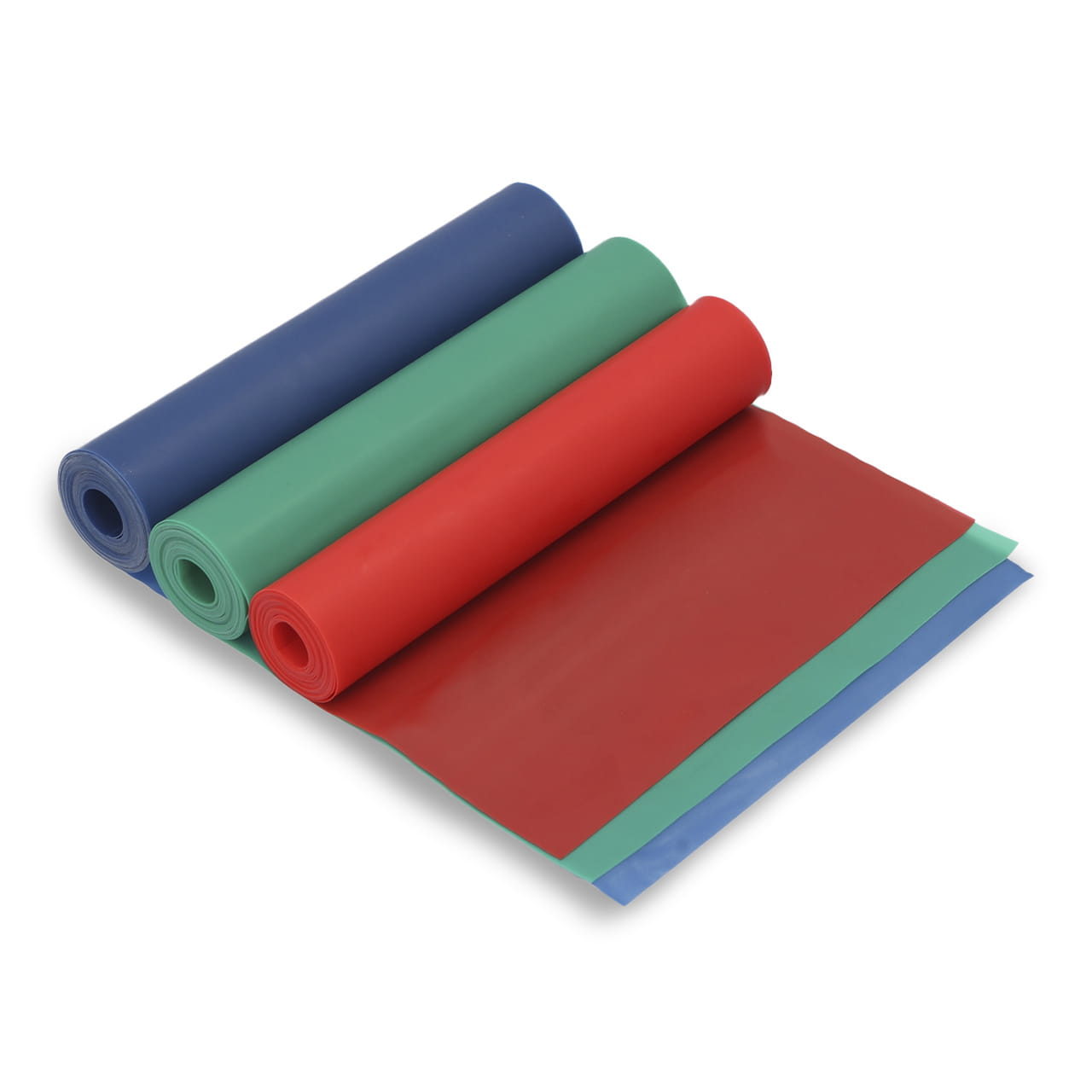
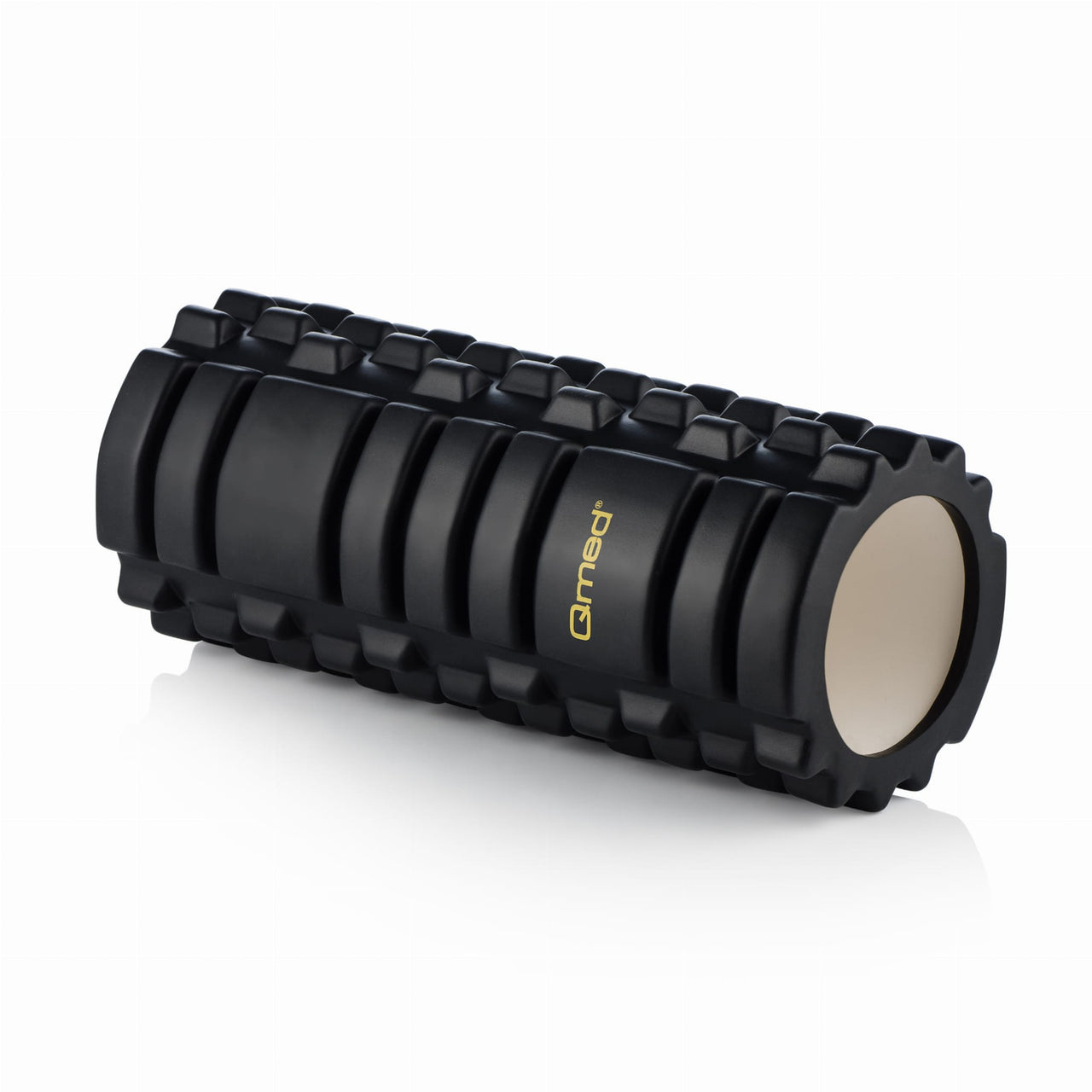
An important part of rehabilitation is strengthening the calf and hip muscles and gradually increasing the level of difficulty. Some people experience pain relief from massaging the tendon with a foam roller, but since the underlying issue is compression, additional pressure on the tissue may have a negative effect.
When returning to running, it is important to do so gradually to avoid setbacks.
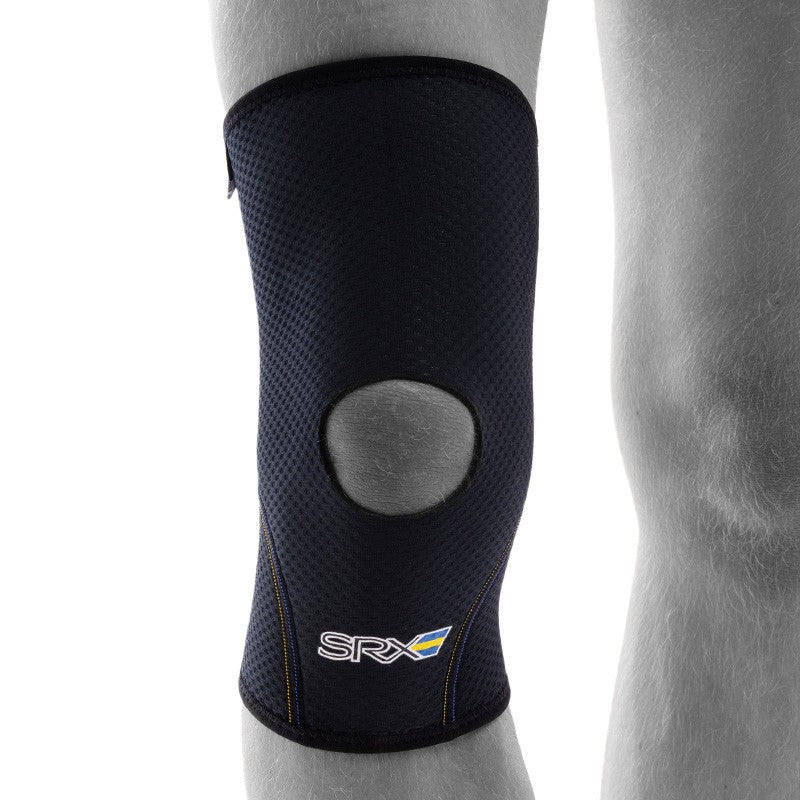
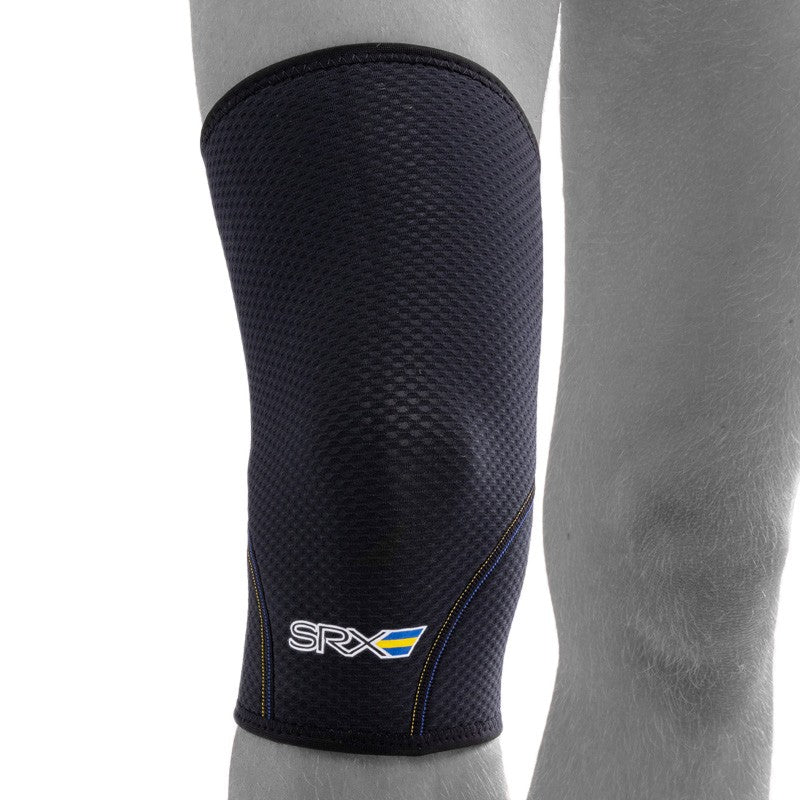
See our products that can help relieve runner's knee
Related injuries
In our Knee Injury Guide, you can read more about common knee injuries and conditions. You can also visit the main Injury Guide to learn more about other injuries and symptoms.