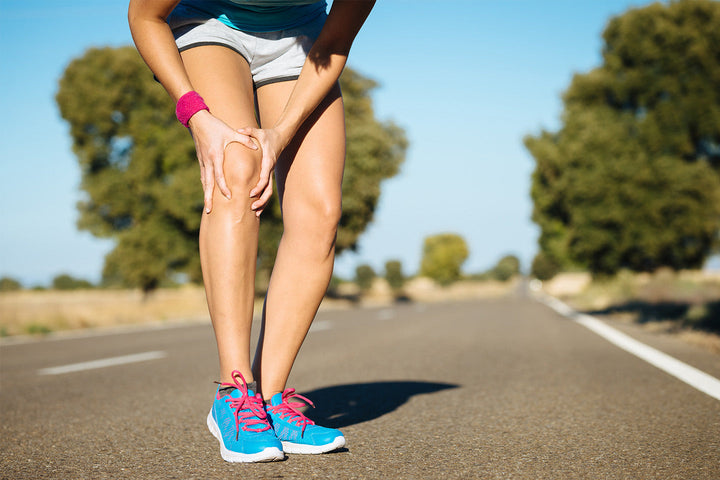

The knee joint is one of the most stressed joints in the body, and knee pain can occur for many different reasons. The problems can come on suddenly due to an injury or develop gradually through overload during work, exercise, or everyday activities.
What is knee pain?
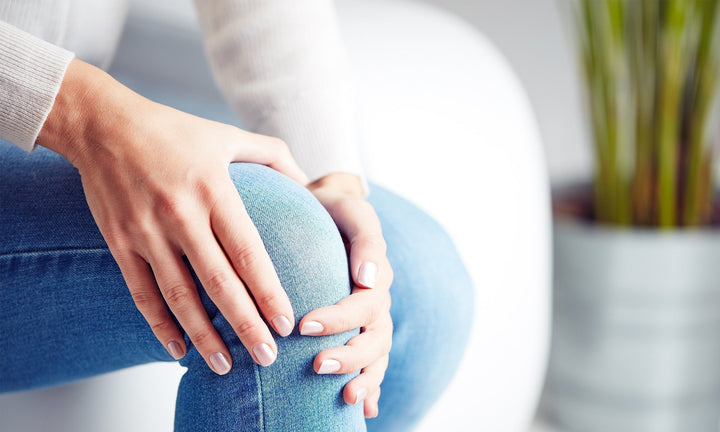
Knee pain is a common symptom that can be caused by damage or overuse of the structures of the knee joint, such as cartilage, menisci, ligaments, or tendons. The pain can occur on the inside, outside, front, or back of the knee, depending on which structure is affected.
The knee joint is exposed to heavy loads every day when walking, running, and jumping. When the load becomes greater than the tissues can handle, irritation or damage can occur, leading to pain, swelling, or instability in the joint.
Common causes of knee pain
Knee pain can have several different causes depending on age, activity level, and how the knee is loaded.
Runner's knee (iliotibial band syndrome, ITB)
An overuse injury where the tendon on the outside of the thigh rubs against the femur. Causes pain on the outside of the knee during activity, especially when running.
Cruciate ligament injuries ( ACL and PCL injuries )
Usually occurs when twisting or a strong blow to the knee. Often causes a clear "pop", rapid swelling, and a feeling of instability.
The meniscus acts as a shock absorber in the knee joint. Damage causes pain along the joint space, sometimes with swelling or locking.
Schlatter's knee (Morbus Schlatter)
An overuse injury that affects growing adolescents. Causes pain and tenderness just below the kneecap where the tendon attaches to the lower leg.
Patellofemoral pain syndrome (PFSS)
Overuse around the kneecap can cause diffuse pain on the front or inside of the knee.
Knee osteoarthritis (medial or lateral)
Gradual degeneration of the knee joint cartilage, leading to stiffness, pain, and reduced mobility.
Symptoms
- Pain on the inside, outside, or front of the knee
- Stiffness or swelling in the knee joint
- Feelings of instability or locking
- Pain with exertion or rest
The symptoms of knee pain vary depending on which structure in the knee joint is affected and in which situations the knee is stressed.
When is the knee pain at its worst?
Knee pain often occurs in situations where the joint is put under more strain or where certain movements provoke the knee joint.
During stress, such as walking or running
Activities where the knee joint is repeatedly bent and loaded can increase pain.
When climbing stairs or squatting
Movements where the knee bends deeply can worsen the pain, especially if there are problems around the kneecap.
After prolonged sitting
Some people experience stiffness and pain in their knees when they start moving after sitting still for a long time.
When twisting or sudden movements
Rapid changes in direction can provoke injuries to, for example, the meniscus or ligaments.
When should you seek medical attention?
If you experience severe knee pain, rapid swelling, or if your knee feels unstable, you should contact your healthcare provider for an assessment. The same applies if your knee locks, if you have difficulty putting weight on your leg, or if your symptoms do not improve despite rest and self-care.
Recommended braces & supports
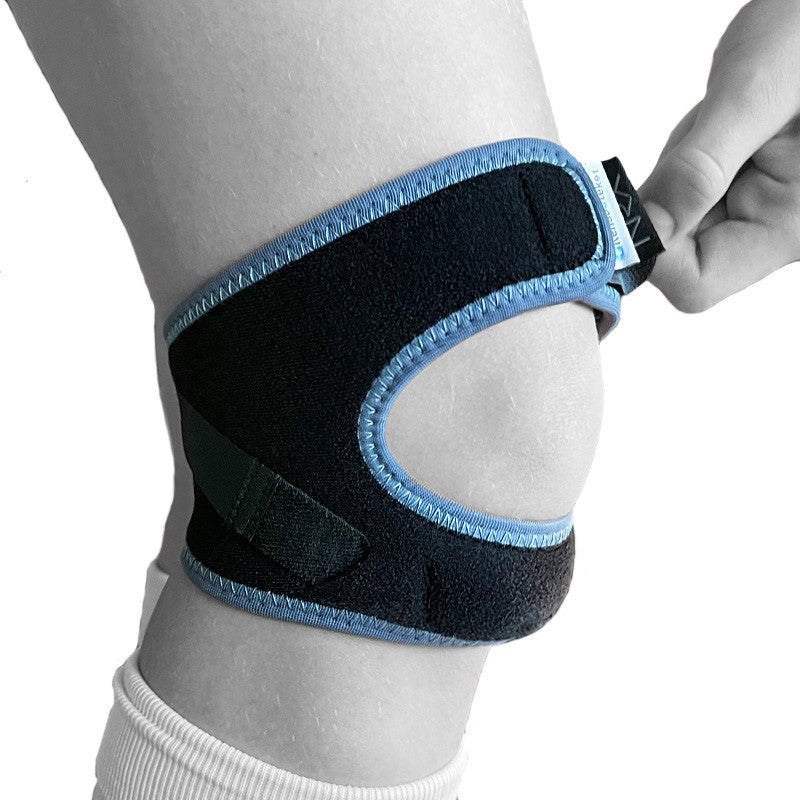
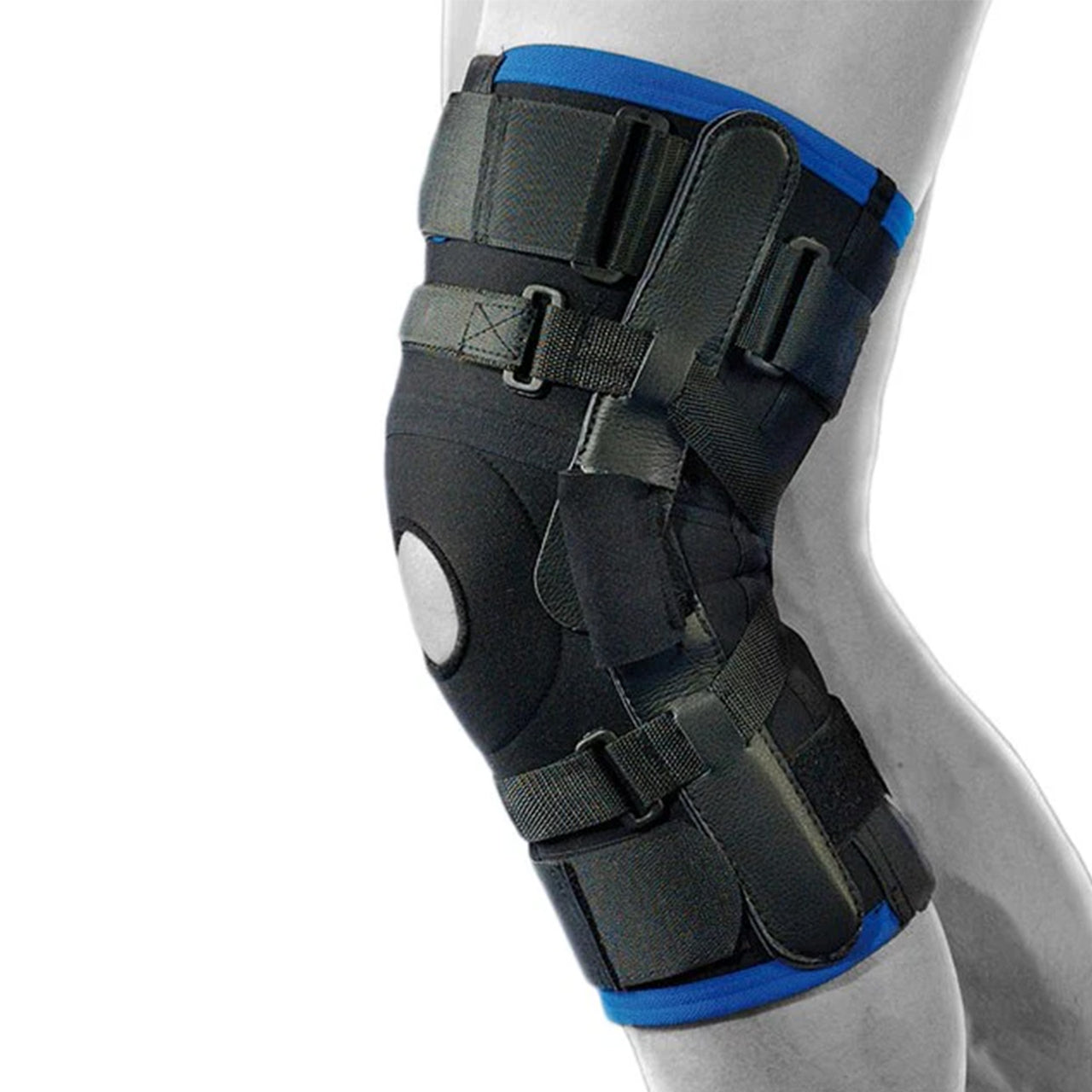
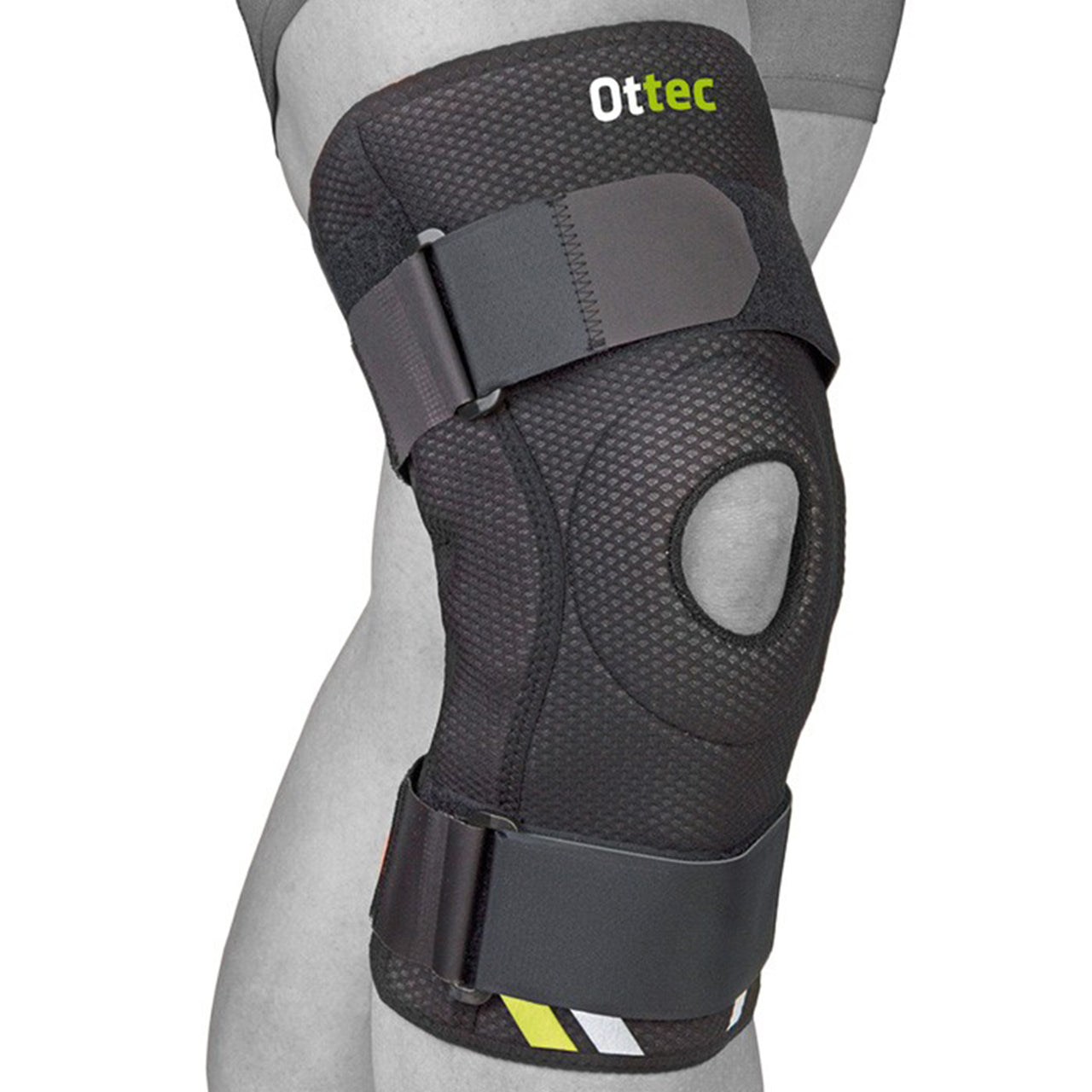
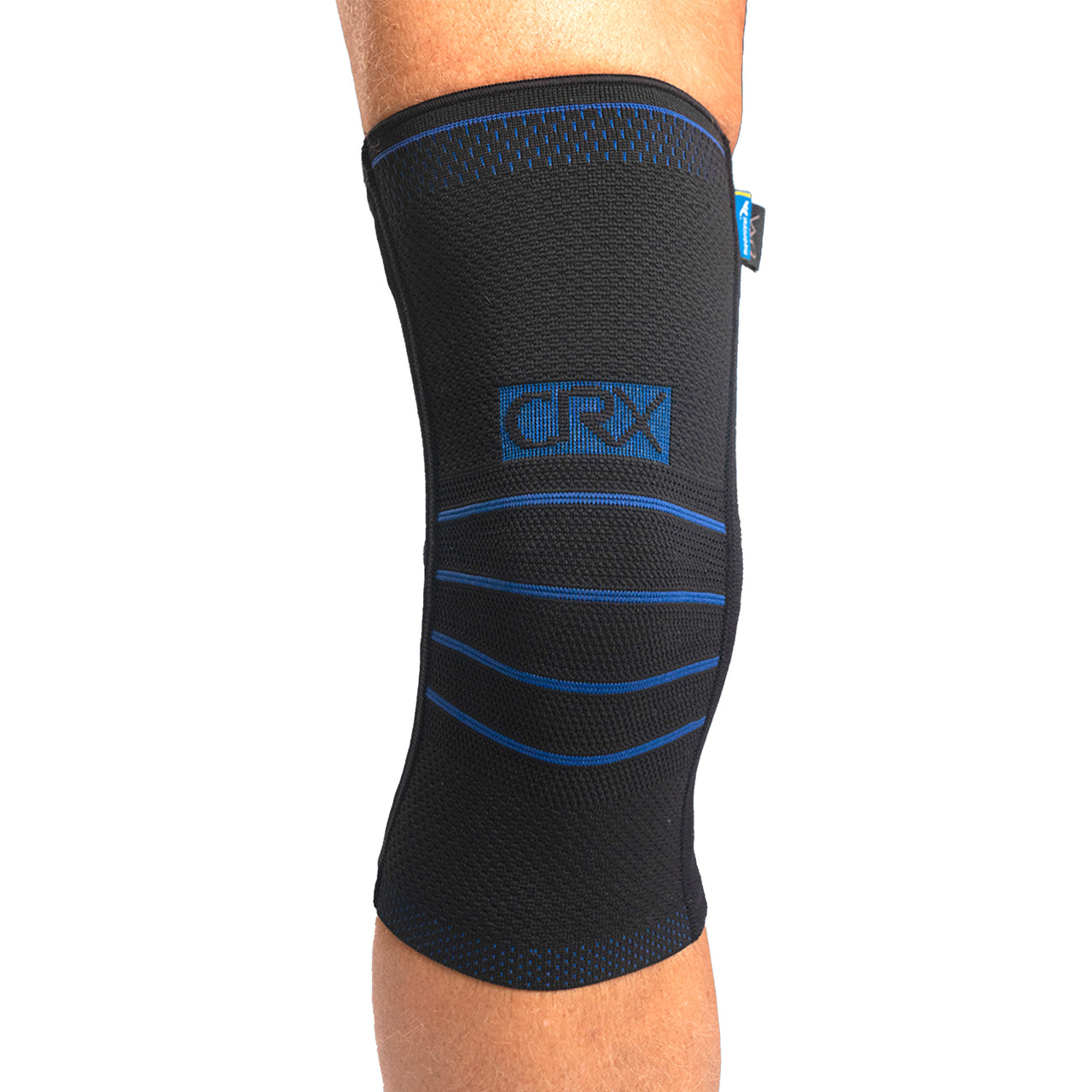
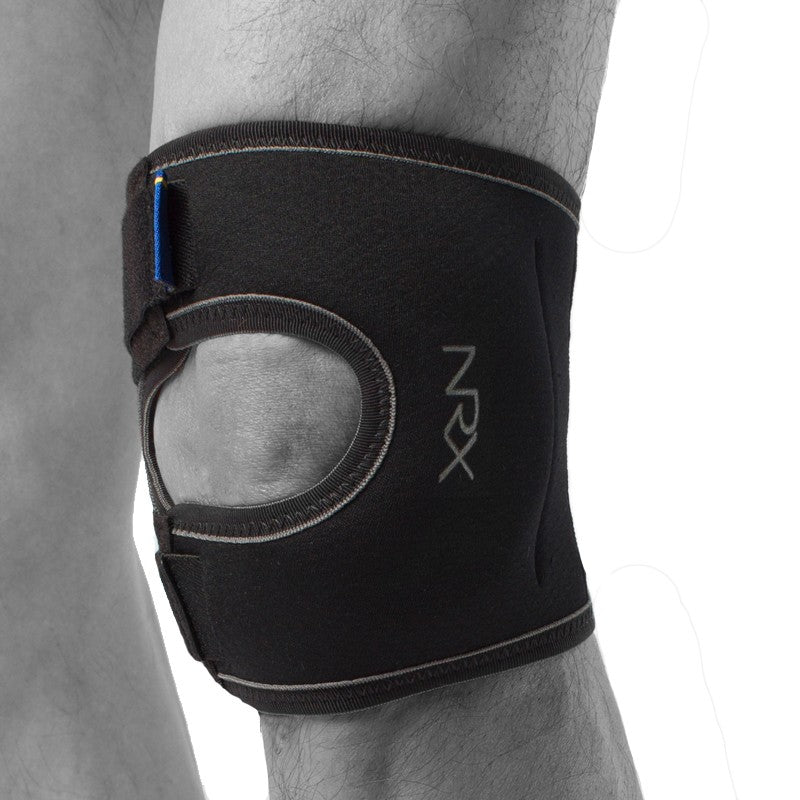
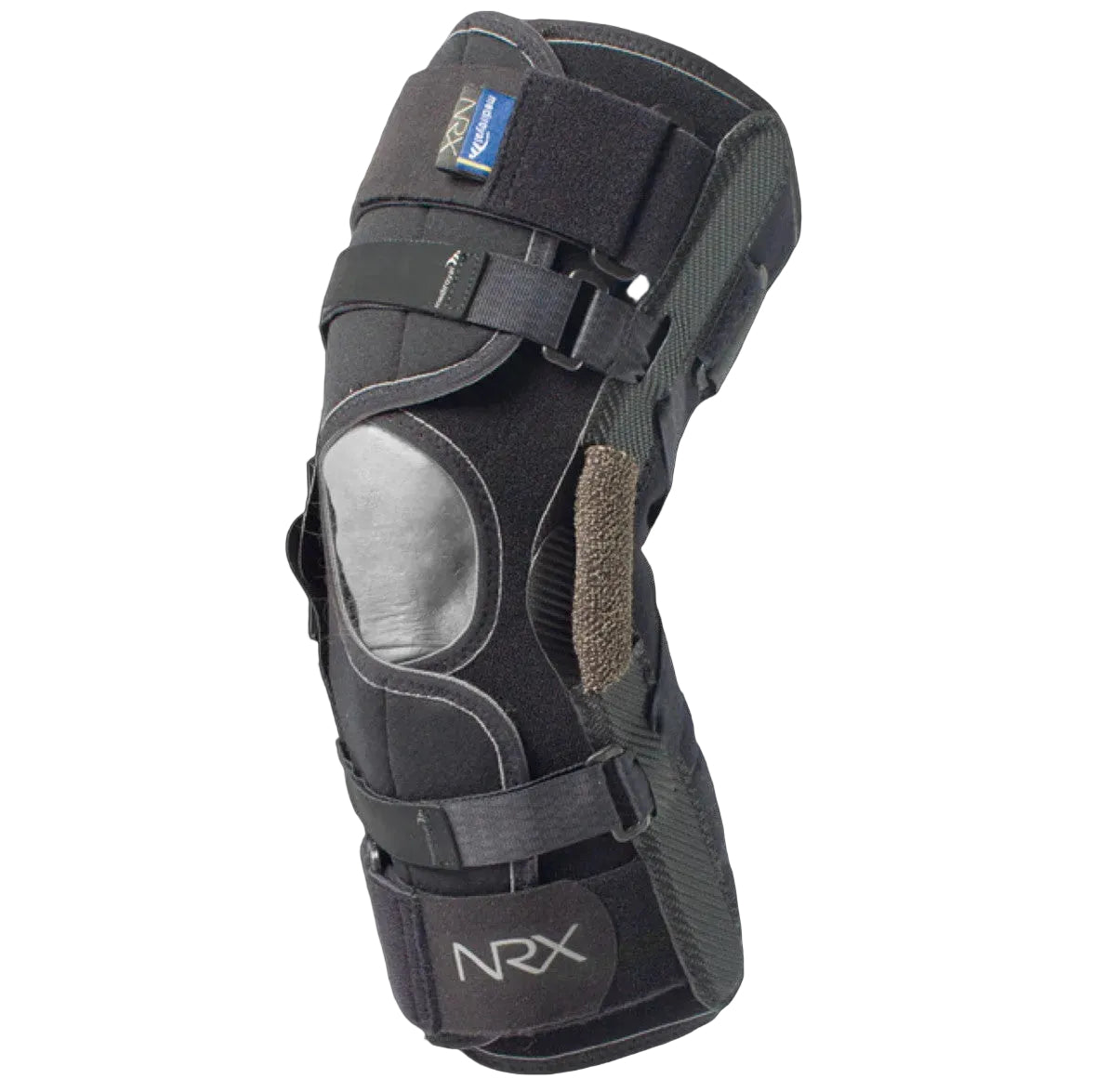
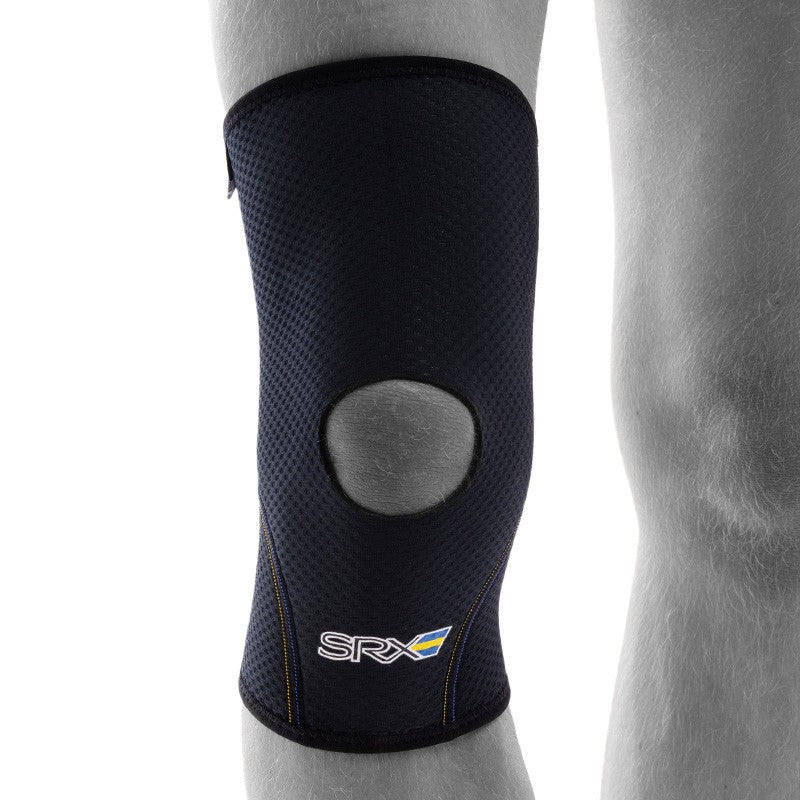
When you have knee pain, the right protection and deload can help reduce pain and increase safety in everyday life and activity. Knee braces with a stabilizing function or compression can provide support for the knee joint and contribute to a more controlled load during movement.
See all braces and supports that can relieve knee pain
Related injuries
In our Knee Injury Guide , you can read more about common knee injuries and knee problems. You can also go to the Injury Guide main page to read about other injuries and symptoms.