
A posterior cruciate ligament (PCL) injury is less common than an anterior cruciate ligament (ACL) injury, and the symptoms are often less obvious, making it more difficult to detect. The injury can occur following a forceful blow to the shin or knee, or after an uncontrolled landing. If you suspect you have injured your cruciate ligament, it is important to seek a proper medical assessment to ensure an accurate diagnosis and appropriate treatment.
What is a posterior cruciate ligament injury?
The posterior cruciate ligament (PCL) is one of the knee joint's most important stabilising ligaments. It prevents the shinbone (tibia) from moving backwards in relation to the thighbone (femur). It is approximately twice as strong as the anterior cruciate ligament (ACL). PCL injuries commonly occur during contact sports involving heavy collisions or in road traffic accidents. Depending on the severity, the injury is classified into three grades, ranging from ligament overstretching to a complete rupture. Surgery is less common for PCL injuries than for ACL injuries. During recovery, you will often wear a hinged knee brace that limits knee flexion.
Common causes & risk factors
A PCL injury usually requires considerable force. It can occur if the shinbone is pushed directly backwards relative to the thighbone, or if you land with a hyperextended or deeply bent knee after jumping. For this reason, the risk of a PCL injury is higher in contact sports. Road traffic accidents are another common cause.
Symptoms
Symptoms are often less obvious than after an ACL injury. The knee may be less swollen, the pain less intense, and you may experience fewer episodes of the knee giving way.
- Swelling and pain in the knee joint after the injury
- Stiffness and reduced range of motion in the knee
- A feeling of instability, especially during weight-bearing activities or when walking downhill
When should you seek medical attention?
A PCL injury should always be taken seriously. If you suspect that you have injured your posterior cruciate ligament, seek medical attention as soon as possible for a proper assessment and treatment plan.
Recommended braces & supports
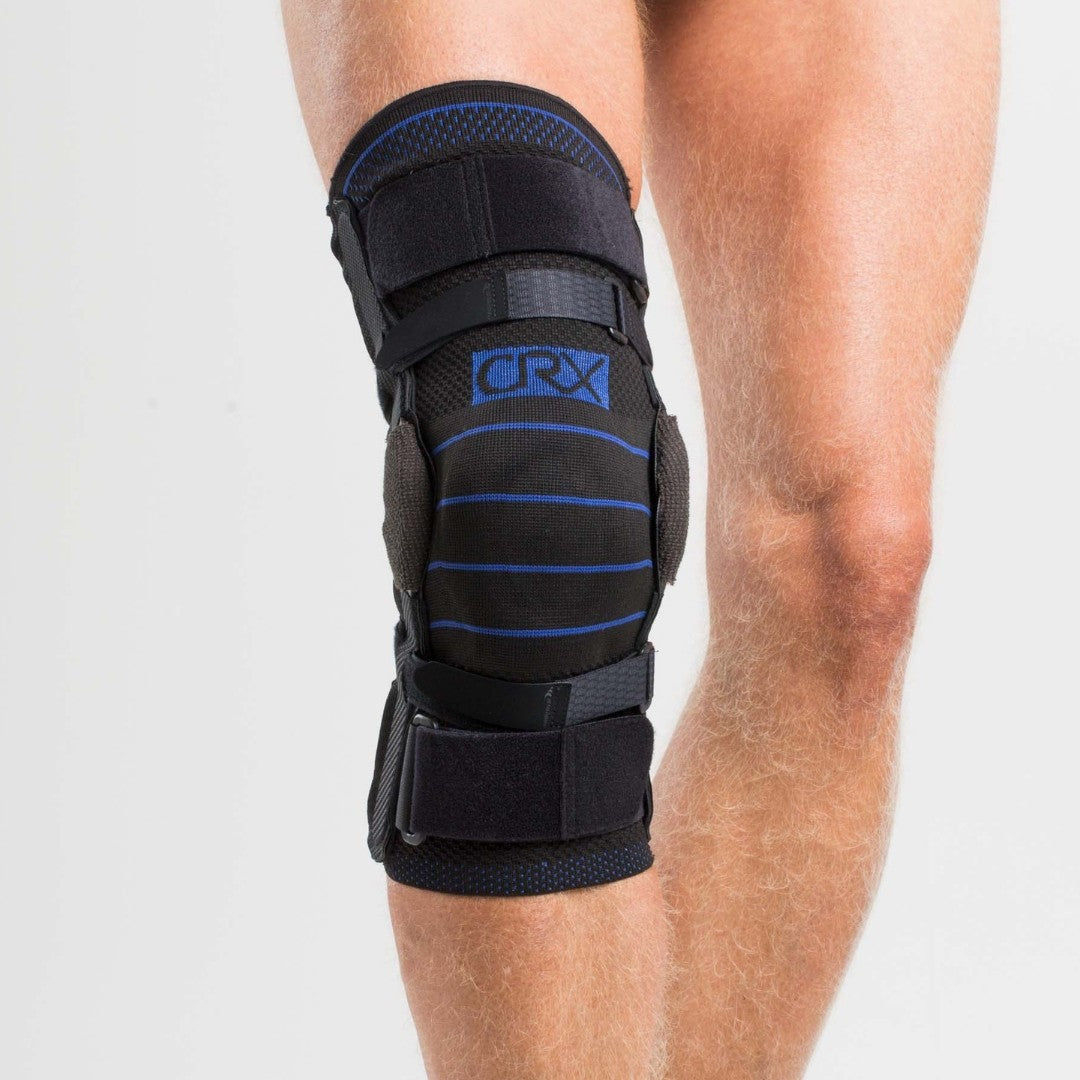
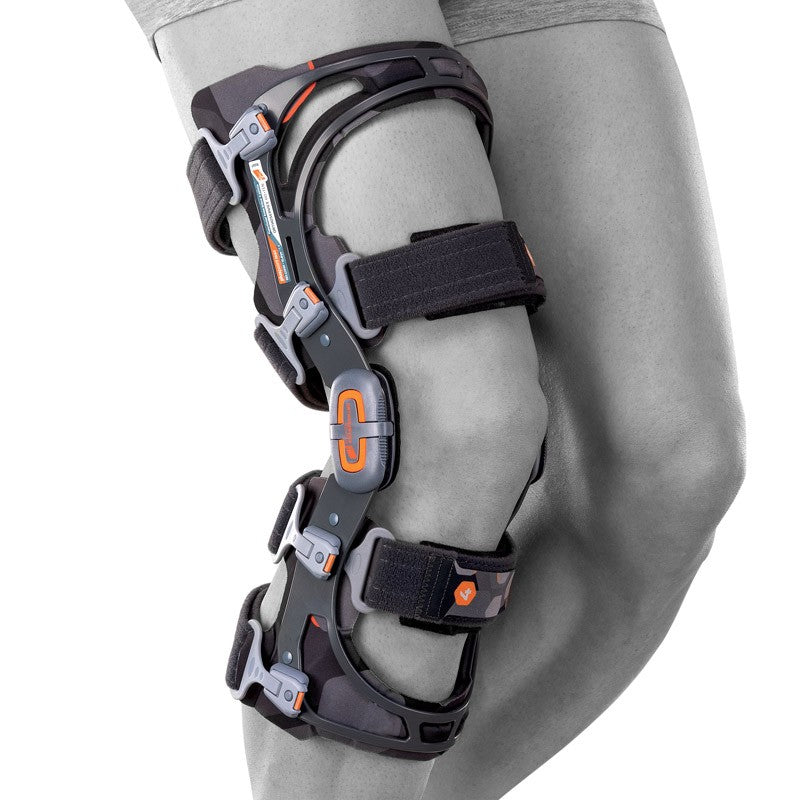
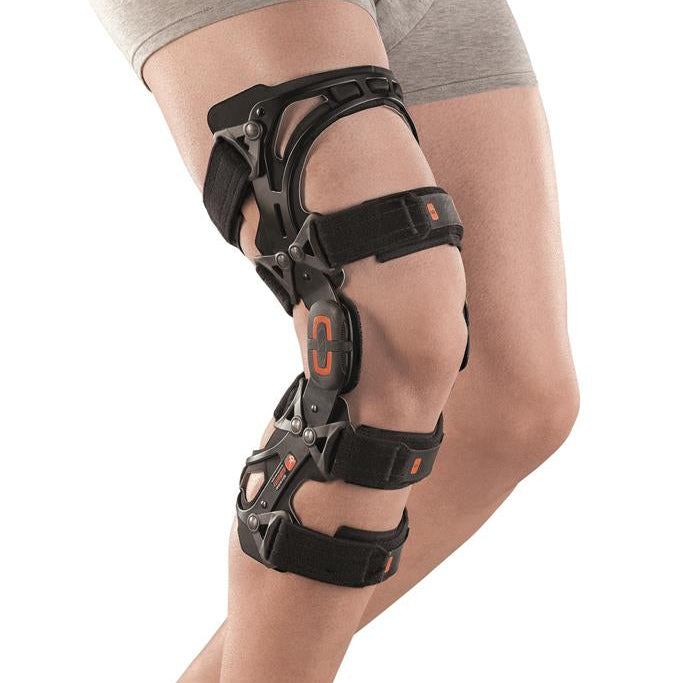
The right brace or support can help improve stability and confidence during everyday activities and throughout rehabilitation. A stabilising knee brace is often recommended to provide side-to-side support, motion control, and the ability to limit knee flexion. The brace may be used both before and after surgery to support the knee during daily activities and exercise. Rehabilitation should always be carried out in close collaboration with a physiotherapist.
See all braces and supports that can help relieve a posterior cruciate ligament (PCL) injury
Related injuries
In the Knee Injury Guide, you can read more about common knee injuries and conditions. You can also go to the Injury Guide main page to read about other injuries and symptoms.