
Bestseller
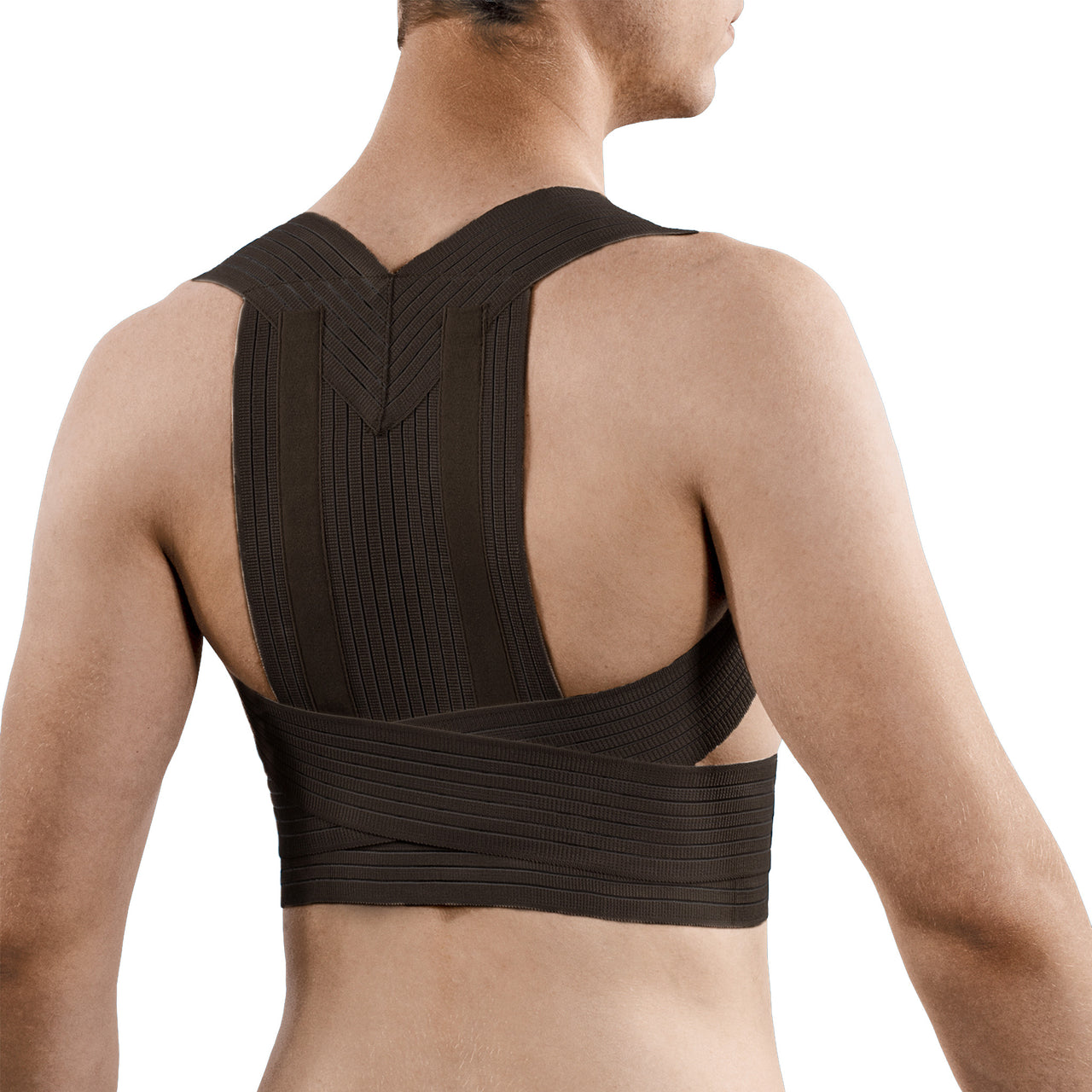
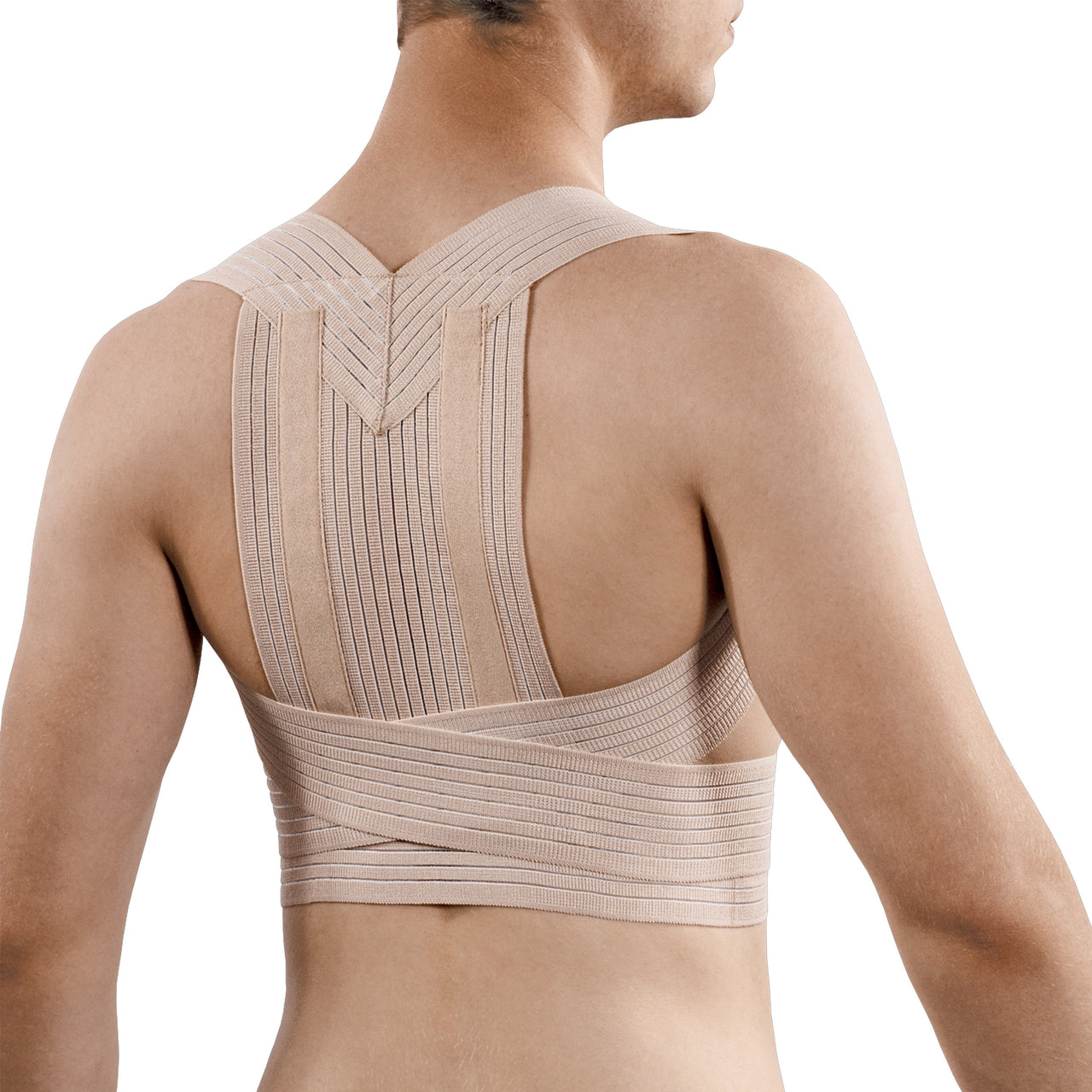
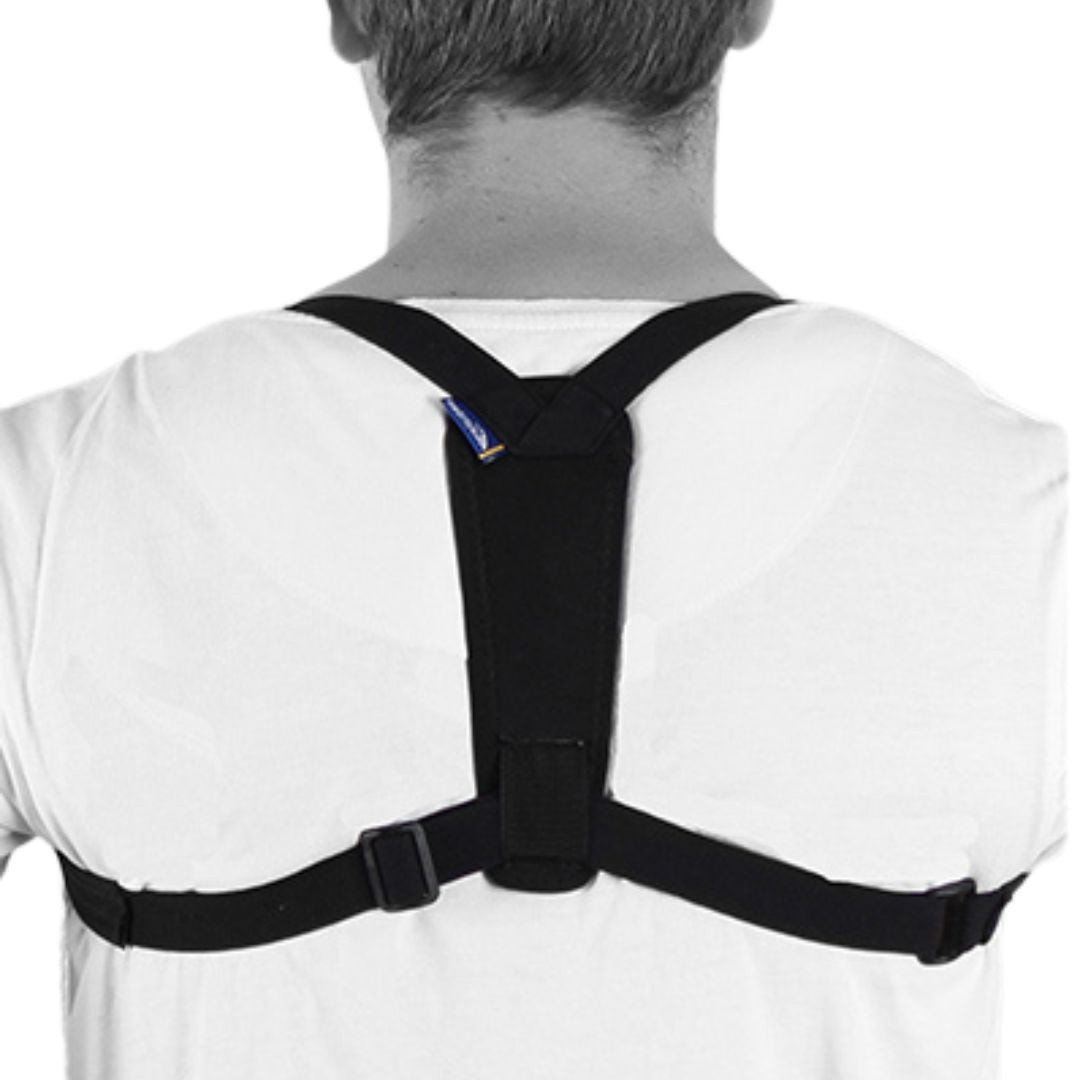
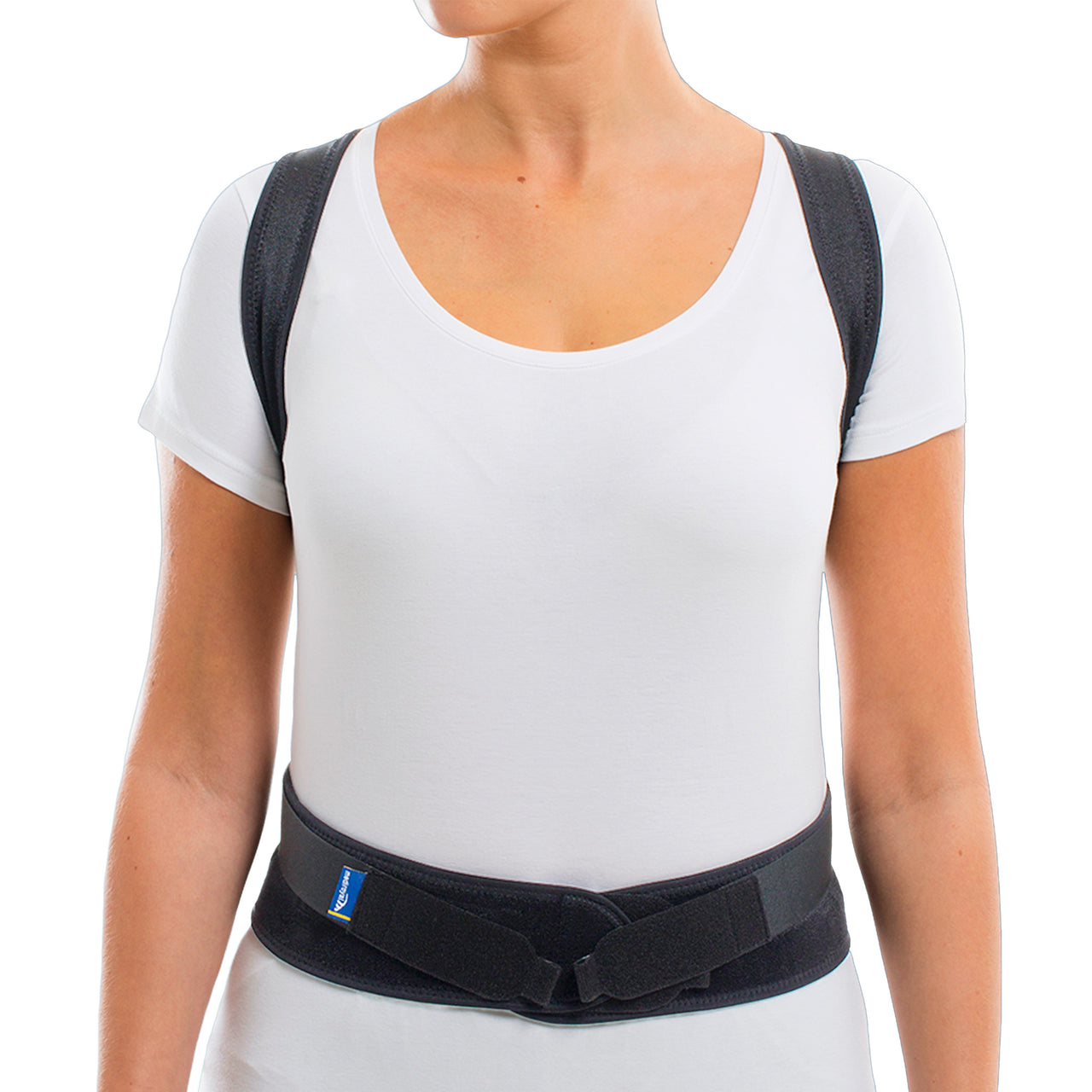
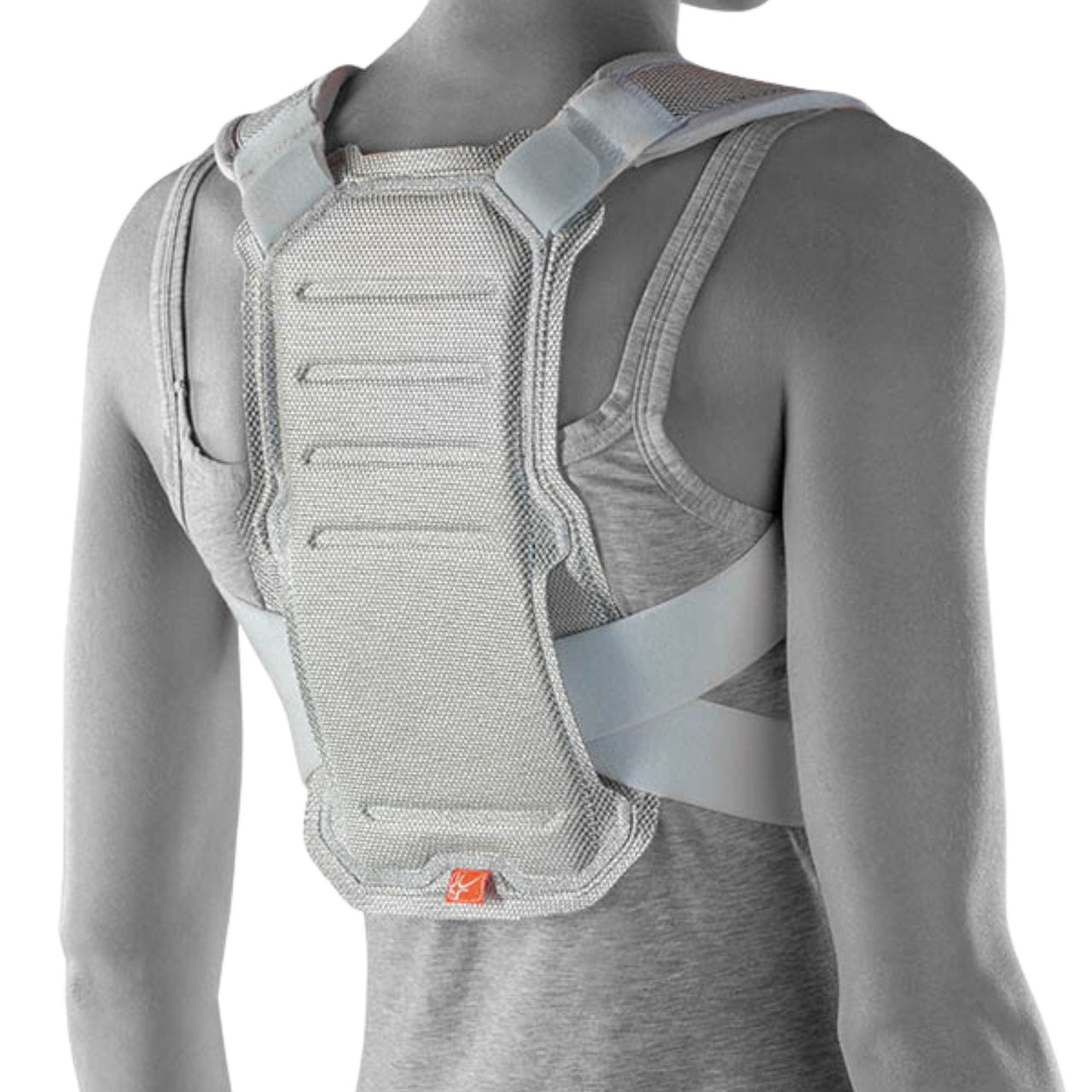
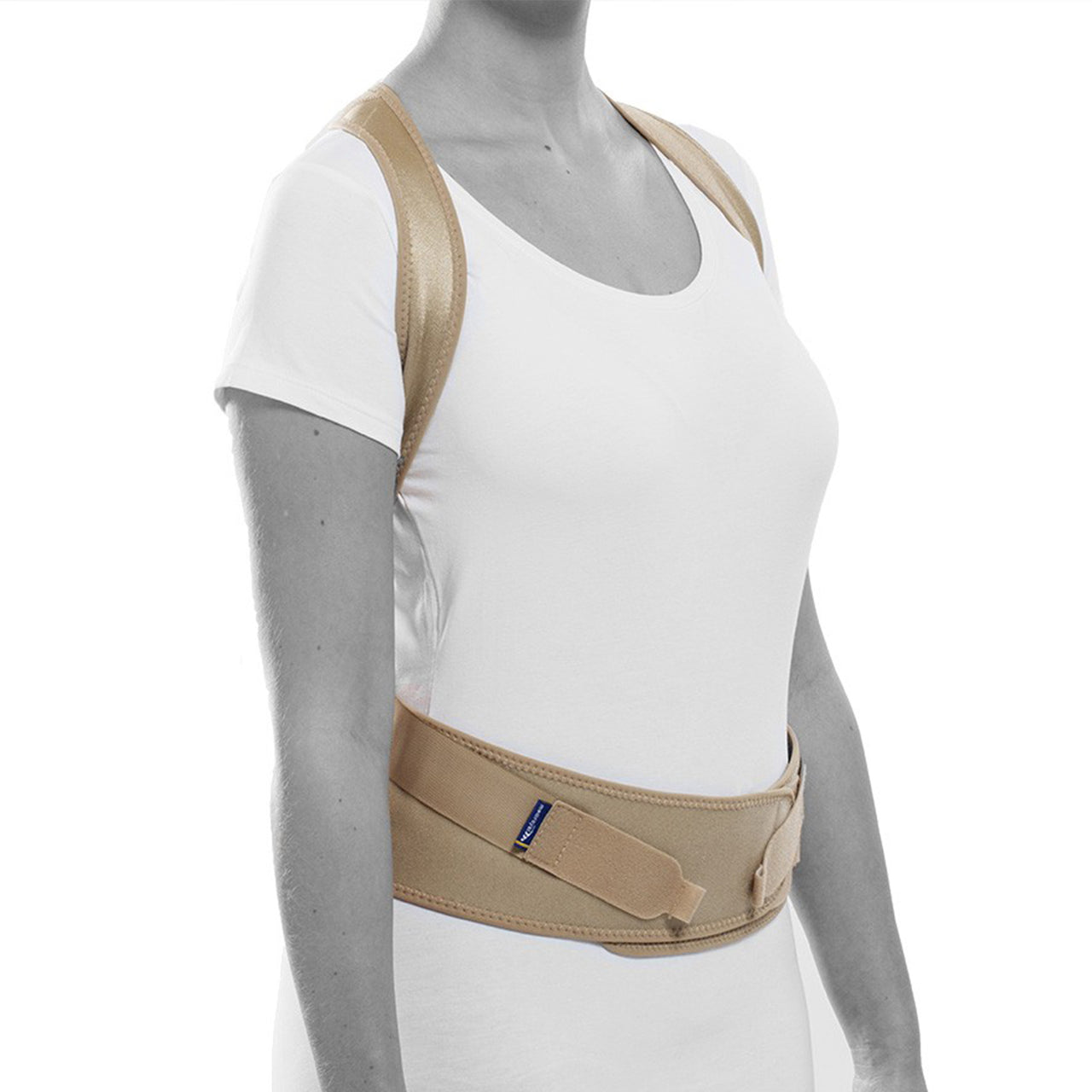
Haltungskorrektoren, manchmal auch als Haltungsvesten oder Haltungbandagen bezeichnet, arbeiten dynamisch mit der eigenen Muskulatur des Körpers zusammen. Sie sind nicht dazu gedacht, den Körper zu „sperren“, sondern um zu erinnern und zu entlasten, wenn die Muskeln müde werden. Ein zentraler Bestandteil des Designs ist eine stabilisierende Rückenplatte, die als Basis für die Unterstützung dient. Von dieser verlaufen verstellbare Schultergurte, die helfen, die Schultern in eine natürlichere Position zurückzuführen.
Haltungskorrektoren geben eine sanfte Erinnerung, den Rücken und Nacken zu dehnen, wenn der Alltag auf die Schultern und die Brustwirbelsäule drückt. Für diejenigen, die lange sitzen, einen steifen Nacken bekommen oder Muskelermüdung spüren, kann eine diskrete Unterstützung helfen, die Brust anzuheben und die Schultern leicht zurückzuziehen. In dieser Kategorie finden sich sowohl schmale Haltungskorrektoren als auch weiche Westen mit verstellbaren Gurten und atmungsaktivem Material. Mehrere Modelle sind CE-zertifiziert und für belastungsbedingte Probleme vorgesehen. Beginnen Sie mit kurzen Sitzungen und erhöhen Sie die Zeit allmählich. Kombinieren Sie dies mit Pausen, tiefem Atmen und sanften Bewegungen über der Brust. Bei langanhaltenden oder zunehmenden Schmerzen sollten Sie Ihren Arzt kontaktieren. Eine ergänzende Lendenstütze kann helfen, die Haltung beim Sitzen zu verbessern.
Beginnen Sie mit dem, wie Ihr Tag aussieht. Bei sitzender Tätigkeit und beginnendem Rundrücken reicht oft ein dünner Gurt, der unter einem Hemd oder Pullover getragen werden kann. Wenn Sie mehr Komfort über der Brust wünschen, kann eine weiche Weste mit größerer Kontaktfläche die bessere Wahl sein. Wählen Sie atmungsaktives Material, wenn Ihnen schnell warm wird, und überprüfen Sie, ob die Gurte verstellbar sind, damit nichts scheuert. Wenn Sie während schwerer Tätigkeiten zusätzliche Entlastung benötigen, kann eine dünne Bruststütze mit einem diskreten Rückenstütze kombiniert werden. Messen Sie den Umfang um die Brust gemäß der Größentabelle und probieren Sie die Unterstützung in den ersten Tagen 15 bis 30 Minuten lang aus. Sie sollte anliegen, aber nicht zu fest sitzen und sowohl über als auch unter der Kleidung bequem sein.
Um im Alltag zu funktionieren, muss ein Haltungskorrektor bequem, atmungsaktiv und verstellbar sein. Alle Modelle in unserem Sortiment sind so konzipiert, dass sie hautnah unter der Kleidung getragen werden können und individuell an den Körper und die Bedürfnisse angepasst werden können. Die Unterstützung kann im Laufe der Zeit angepasst werden, während sich die Haltung verbessert oder sich die Bedürfnisse ändern.
Haltungsgurt – diskrete Unterstützung im Alltag
Haltungsgurte sind dünne und flexible Stützen, die eine leichte Korrektur der Schulterposition bieten. Sie sind unter der Kleidung minimal sichtbar und dienen hauptsächlich als Erinnerung, wenn die Haltung zu sinken beginnt. Geeignet bei leichteren Beschwerden, sitzender Tätigkeit oder für diejenigen, die im Alltag diskrete Unterstützung wünschen.
Haltungsweste für den täglichen Gebrauch
Haltungswesten bieten umfassendere Unterstützung um die Schultern und die Brustwirbelsäule. Sie kombinieren eine stabilisierende Rückenplatte mit verstellbaren Schultergurten, die helfen, den Oberkörper in eine neutralere Haltung zu führen. Diese Modelle werden häufig bei wiederkehrenden Verspannungsschmerzen, ermüdungsbedingter schlechter Haltung oder wenn Unterstützung über längere Zeiträume des Tages benötigt wird, verwendet.
Extra stabile Haltungswesten mit Rückenplatte
Extra stabile Haltungswesten haben eine ausgeprägtere Rückenplatte und stärkere Gurte für eine erhöhte Korrektur und Entlastung. Sie sind geeignet bei ausgeprägteren Haltungsproblemen oder wenn der Unterstützungsbedarf größer ist, beispielsweise bei langanhaltender sitzender Tätigkeit oder bei deutlich vorwärts gedrehter Haltung. Die Unterstützung kann individuell angepasst und je nach Aktivität und Toleranz modifiziert werden.