
Schmerzen in der Ferse bei Kindern und Jugendlichen sind oft auf das Sever-Syndrom, auch bekannt als Apophysitis, zurückzuführen, eine Überlastungsverletzung in der Wachstumszone der Ferse, wo die Achillessehne am Fersenbein ansetzt. Die Beschwerden treten hauptsächlich bei Kindern auf, die aktiv in Sportarten sind, die häufiges Laufen und Springen beinhalten.
Typische Anzeichen des Sever-Syndroms bei Kindern sind:
- Schmerzen im hinteren Bereich der Ferse
- häufig Schmerzen am Abend nach sportlichen Aktivitäten
- das Kind hinkt oder läuft lieber auf den Zehen
- wenn es Schuhe trägt, weniger Schmerzen als barfuß
Wenn Sie mehr über Ursachen, Symptome und wann man ärztliche Hilfe suchen sollte, erfahren möchten, empfehlen wir unseren Verletzungsratgeber zum Sever-Syndrom.
Wie äußert sich das Sever-Syndrom im Alltag?
Viele Eltern bemerken die Probleme, wenn ihr Kind anfängt, nach dem Training oder einem Spiel über Fersenschmerzen zu klagen. Die Schmerzen können dazu führen, dass das Kind leicht hinkt oder es vermeidet, die Ferse richtig aufzusetzen.
Einige Kinder beginnen, mehr auf den Zehen zu gehen, um den Druck auf die Ferse zu verringern. Andere bemerken die Beschwerden hauptsächlich nach Aktivitäten, zum Beispiel wenn sie von Training oder Sportunterricht nach Hause kommen.
Es ist auch üblich, dass das Kind weniger Schmerzen hat, wenn es Schuhe trägt, da diese eine gewisse Dämpfung bieten. Barfußlaufen auf harten Böden kann hingegen dazu führen, dass die Schmerzen stärker wahrgenommen werden.
Wann treten die Beschwerden normalerweise auf?
Das Sever-Syndrom tritt typischerweise in Phasen auf, in denen die Belastung der Ferse zunimmt. Dies kann zum Beispiel der Fall sein:
- wenn das Trainingsvolumen plötzlich steigt
- während Turnieren oder intensiven Trainingsphasen
- wenn mehrere Aktivitäten in derselben Woche stattfinden
- bei Training auf harten Untergründen
Da die Wachstumszone in der Ferse während der Kindheit noch entwickelt wird, ist sie empfindlicher gegenüber wiederholter Belastung als der Rest des Fußes.
Was kann bei Sever-Syndrom helfen?
Das Wichtigste ist, die Belastung der Ferse zu reduzieren, bis die Schmerzen nachlassen.
Es kann oft hilfreich sein:
- Aktivitäten mit viel Laufen und Springen zu reduzieren oder zu pausieren
- schonendere Aktivitäten wie Radfahren oder Schwimmen zu wählen
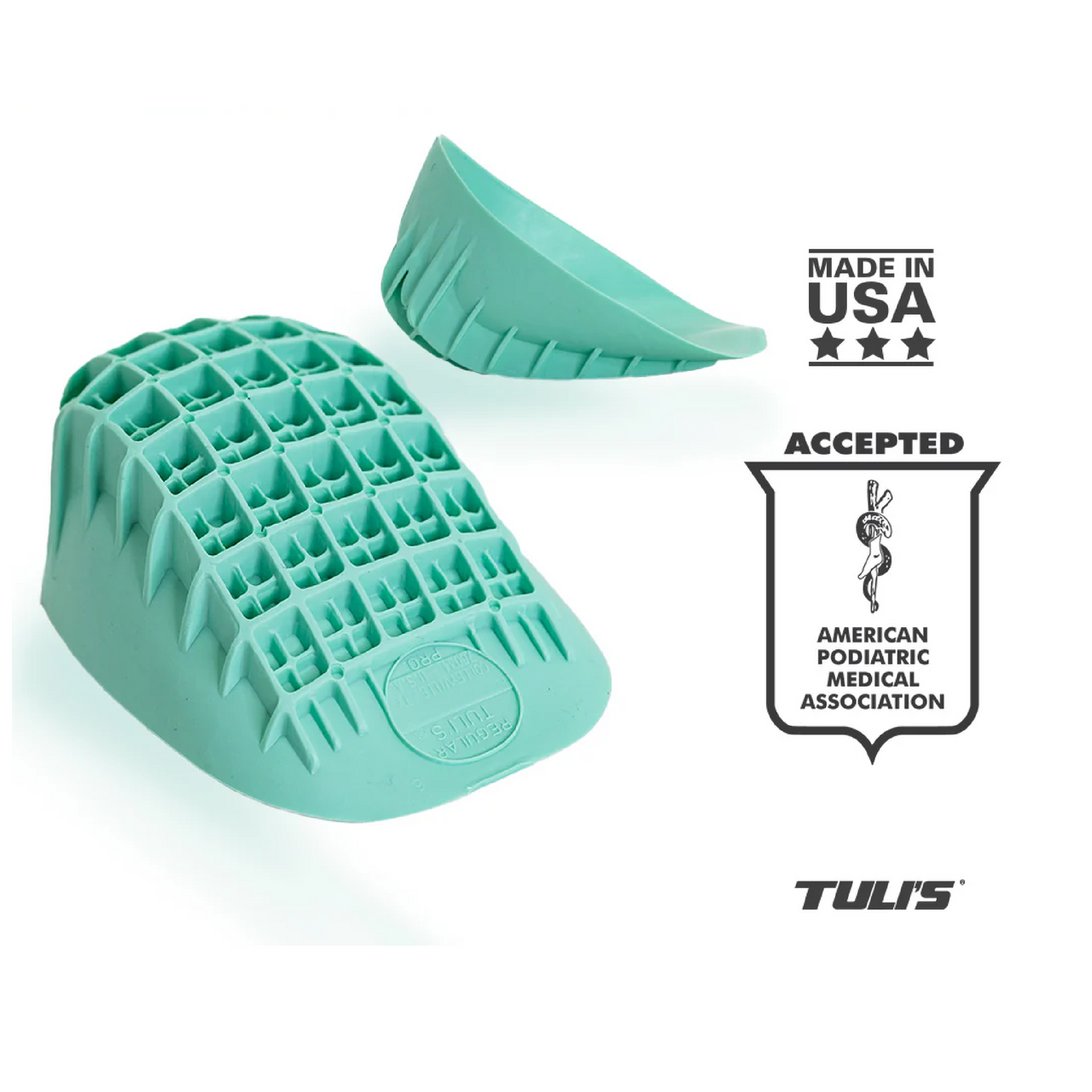
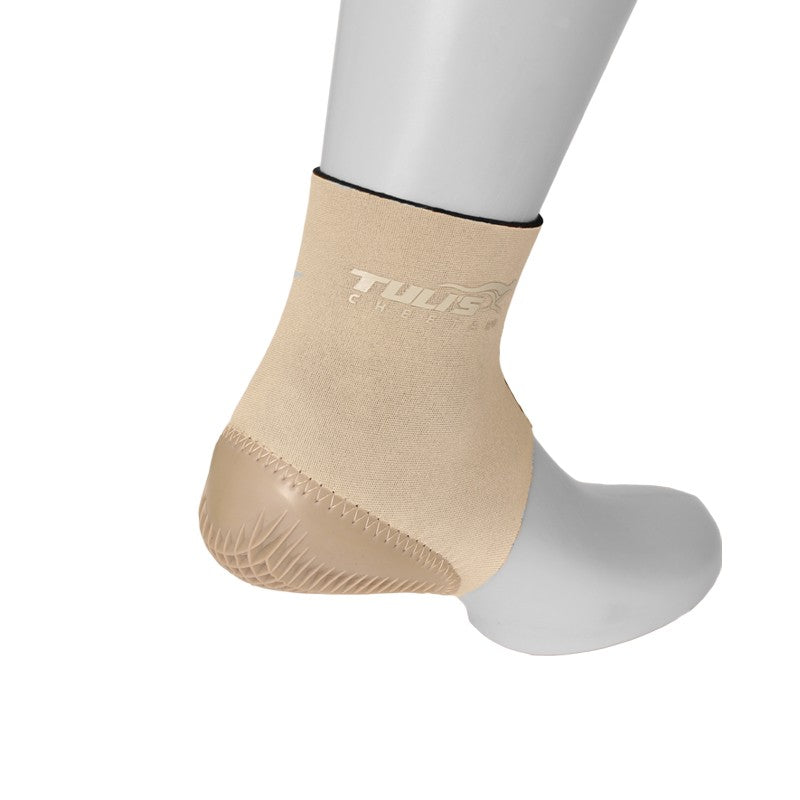
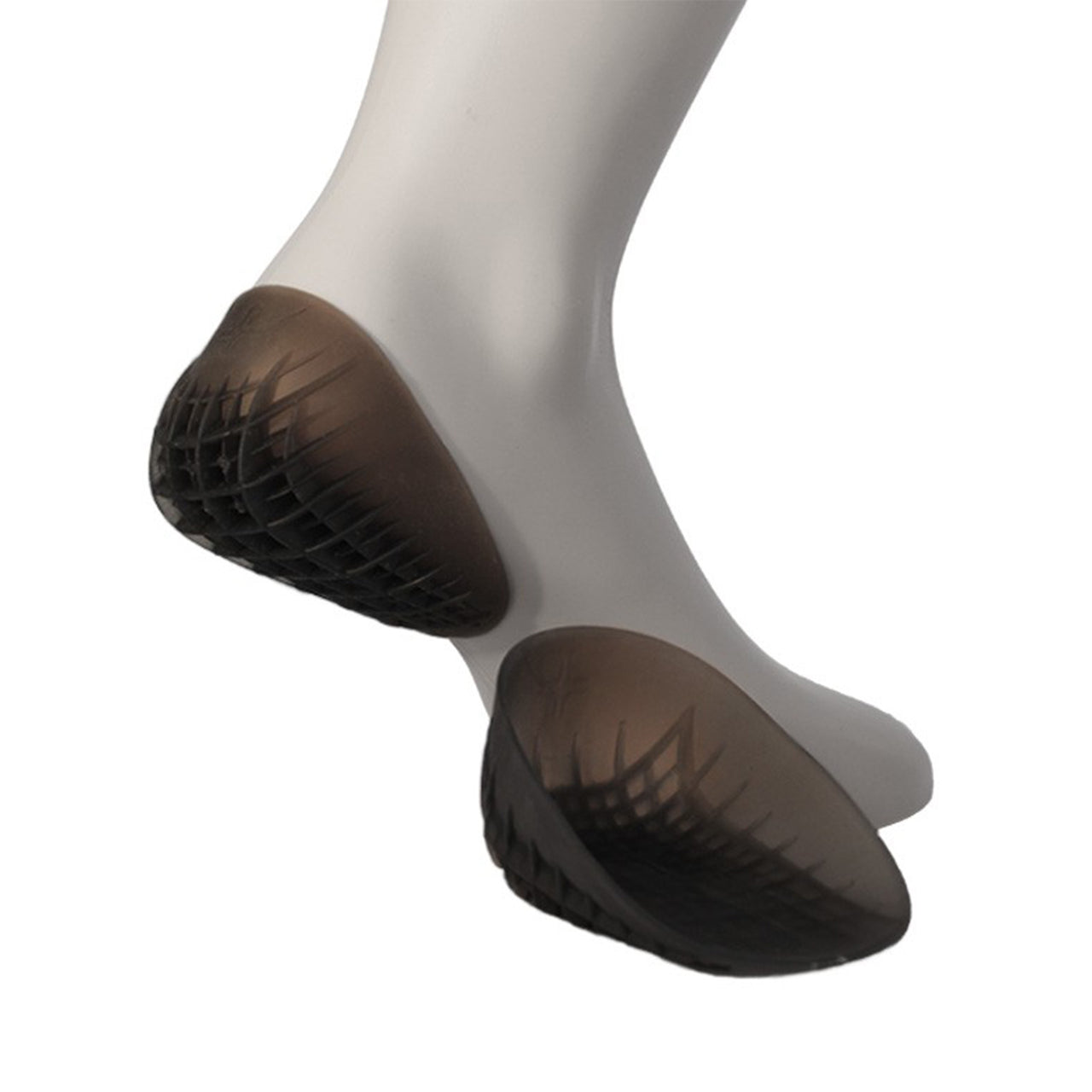
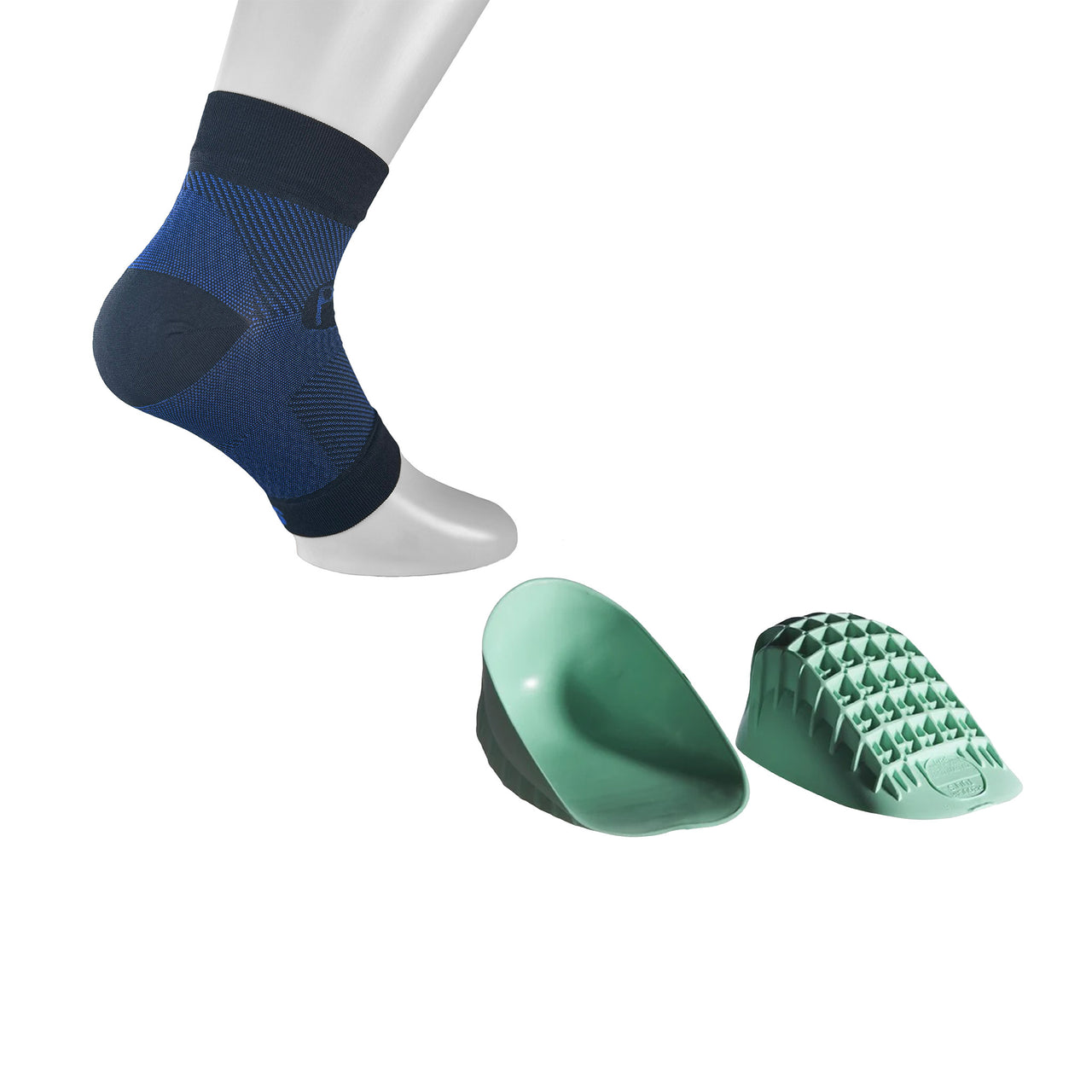
- Fersenkappen oder stützende Einlagen, wie zum Beispiel Fersenkissen, zu verwenden
- Schuhe mit stabiler Fersenpartie und guter Dämpfung zu wählen
Das Dehnen der Wadenmuskulatur und kontrollierte Wadenheben können ebenfalls die Spannung in der Achillessehne verringern und die Ferse entlasten.
Sehen Sie Produkte, die bei Sever-Syndrom Linderung verschaffen können
Ratschläge für Eltern
Als Elternteil können Sie Ihrem Kind helfen, die Beschwerden zu bewältigen, indem Sie die Belastung anpassen.
- Helfen Sie dem Kind, auf die Schmerzen zu hören – mehrere kurze Einheiten sind oft besser als eine lange
- Behalten Sie das gesamte Trainingsvolumen während der Woche im Auge
- Variieren Sie zwischen intensiven und leichteren Aktivitätstagen
- Vermeiden Sie barfußlaufen auf harten Böden während der Beschwerdephase
- Informieren Sie die Trainer, damit das Kind an alternativen Aktivitäten während des Trainings teilnehmen kann
Wenn Sie mehr über Symptome, Ursachen und Behandlung des Sever-Syndroms erfahren möchten, empfehlen wir unseren Verletzungsratgeber zum Sever-Syndrom.
Wenn Sie stattdessen Hilfe bei der Auswahl der richtigen Unterstützung oder Entlastung benötigen, können Sie unsere Schutzprodukte bei Sever-Syndrom ansehen oder unseren Physiotherapeuten kontaktieren für persönliche Beratung.