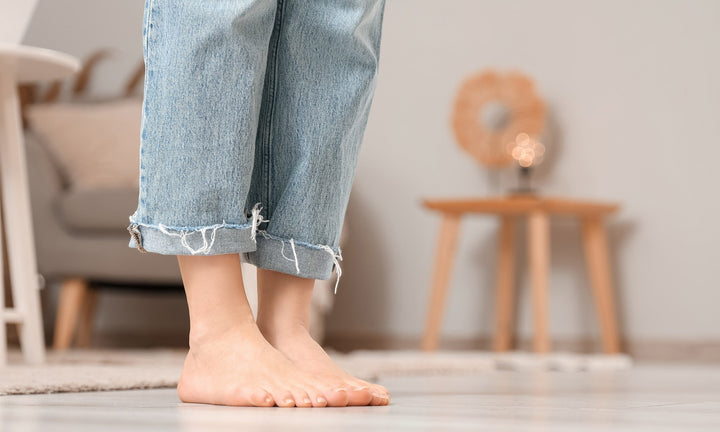

Das Sever-Syndrom, auch bekannt als Apophysitis, ist eine der häufigsten Ursachen für Fersenschmerzen bei Kindern im Alter von 8 bis 15 Jahren. Der Zustand ist harmlos und vorübergehend, kann jedoch während der Aktivität starke Schmerzen verursachen. Die richtige Dämpfung und Stoßabsorption können einen großen Unterschied im Alltag des Kindes machen.
Was ist das Sever-Syndrom?
Das Sever-Syndrom ist eine Überlastung der Wachstumszone der Ferse bei Kindern und Jugendlichen. Wenn die Belastung zu hoch wird, kombiniert mit einer Phase des schnellen Wachstums, kann es zu Irritationen im Bereich kommen, wo die Achillessehne am Fersenbein ansetzt.
Der Zustand tritt auf, weil die Wachstumszone schwächer ist als Sehnen und Muskeln während der Kindheit. Die Schmerzen können im Laufe der Zeit variieren, verschwinden jedoch normalerweise, sobald das Kind ausgewachsen ist. Das Sever-Syndrom ähnelt der Osgood-Schlatter-Krankheit im Knie und kann manchmal gleichzeitig auftreten.
Symptome
- Schmerzen in der Ferse bei Belastung, insbesondere beim Sport
- Empfindlichkeit und manchmal leichte Schwellung über der Ferse
- Das Kind hinkt oder traut sich nicht, die Ferse vollständig aufzusetzen.
- Das Kind läuft manchmal mehr auf den Zehenspitzen, um die Ferse zu entlasten.
- Phasen mit mehr oder weniger Beschwerden
Die Symptome des Sever-Syndroms verschlimmern sich oft in Situationen, in denen die Ferse wiederholten Stößen oder hoher Belastung ausgesetzt ist. Viele Kinder empfinden weniger Schmerzen, wenn sie Schuhe mit Dämpfung tragen, während das Barfußlaufen auf harten Böden die Beschwerden verstärken kann.
Wann tut das Sever-Syndrom am meisten weh?
Die Schmerzen beim Sever-Syndrom treten oft in bestimmten Situationen auf, in denen die Ferse stärker belastet wird.
Beim Laufen und Springen
Aktivitäten mit wiederholten Stößen, wie Fußball oder Gymnastik, sind häufige Auslöser.
Nach dem Training oder einem Spiel
Das Kind kann nach der Aktivität mehr Schmerzen empfinden als während des Trainings selbst.
Wenn das Kind barfuß auf einem harten Boden läuft
Ohne Schuhe und Dämpfung erhöht sich der Druck auf die Ferse.
Häufige Ursachen & Risikofaktoren
Kinder im Alter von 8 bis 15 Jahren sind am stärksten gefährdet, da die Wachstumszone in der Ferse schwächer ist als Sehnen und Bänder. Die Kombination aus intensivem Training, wenig Abwechslung in den Aktivitäten und begrenzter Ruhe erhöht das Risiko.
Verspannte Wadenmuskeln, schnelles Wachstum und Aktivitäten mit vielen Sprüngen oder schnellen Richtungswechseln können ebenfalls zur Entwicklung der Verletzung beitragen. Das Problem betrifft oft aktive Kinder, aber auch Kinder mit niedrigeren Aktivitätsniveaus können Beschwerden haben.
Wann sollten Sie medizinische Hilfe in Anspruch nehmen?
Wenn das Kind anhaltende oder starke Schmerzen hat, die die alltäglichen Aktivitäten beeinträchtigen, sollte die medizinische Versorgung für eine Beurteilung kontaktiert werden. Es ist jedoch wichtig zu betonen, dass das Sever-Syndrom völlig harmlos und vorübergehend ist.
Empfohlene Schutz- & Unterstützungsmittel
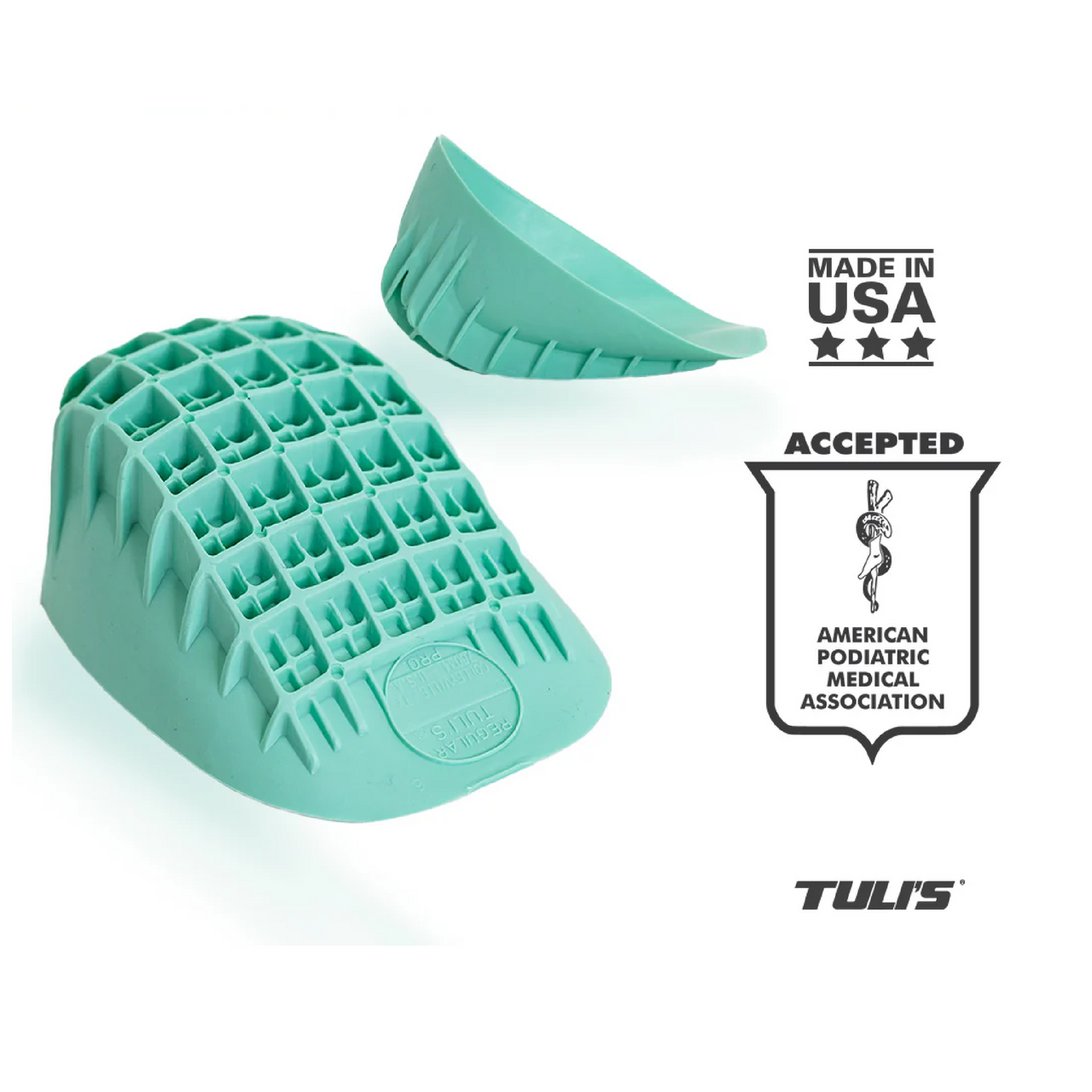
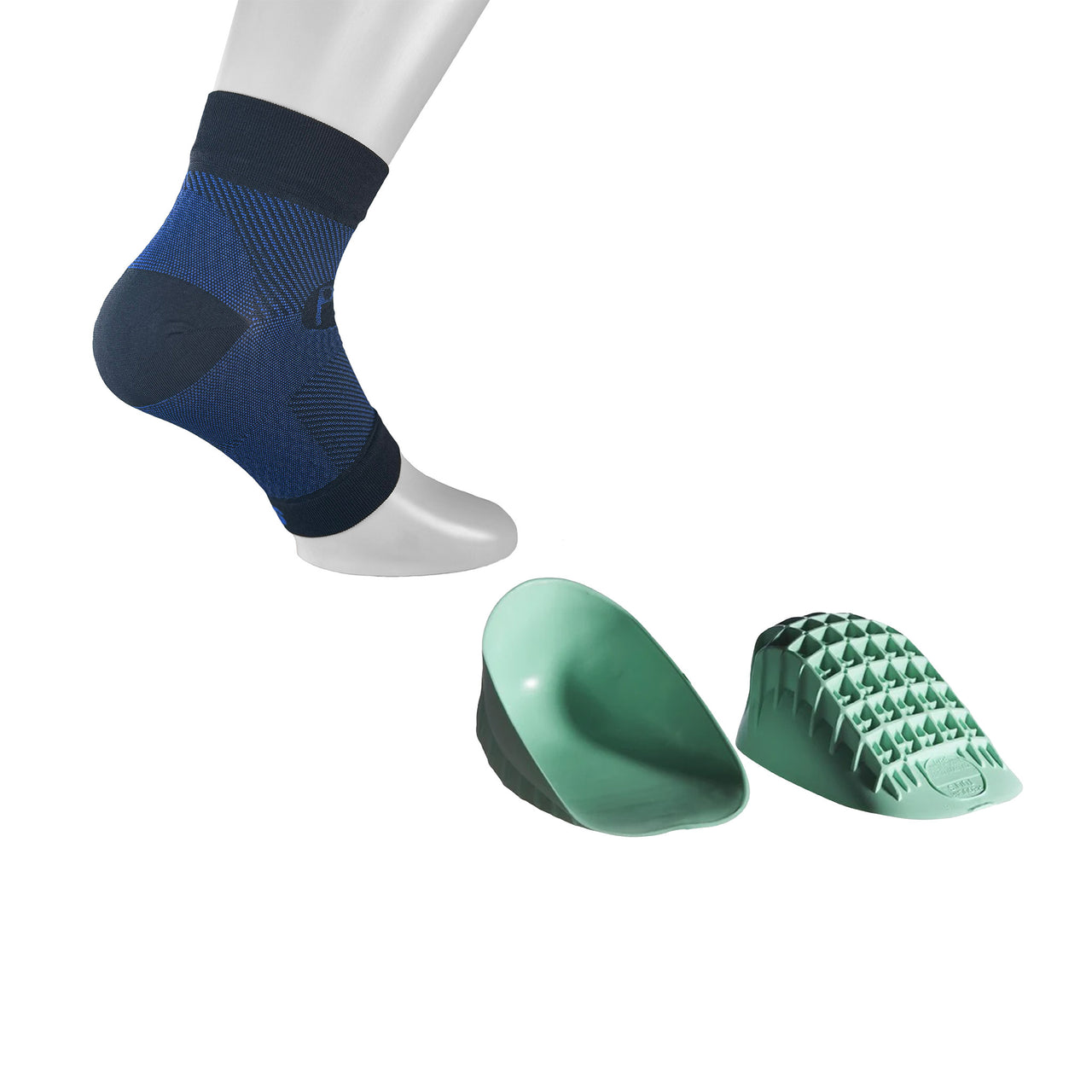
Bei Sever-Syndrom kann der richtige Schutz und die richtige Entlastung dazu beitragen, Schmerzen zu reduzieren und den Komfort im Alltag und beim Sport zu erhöhen. Eine speziell gestaltete Fersenschale für Kinder kann bei der Behandlung des Sever-Syndroms effektive Entlastung bieten.
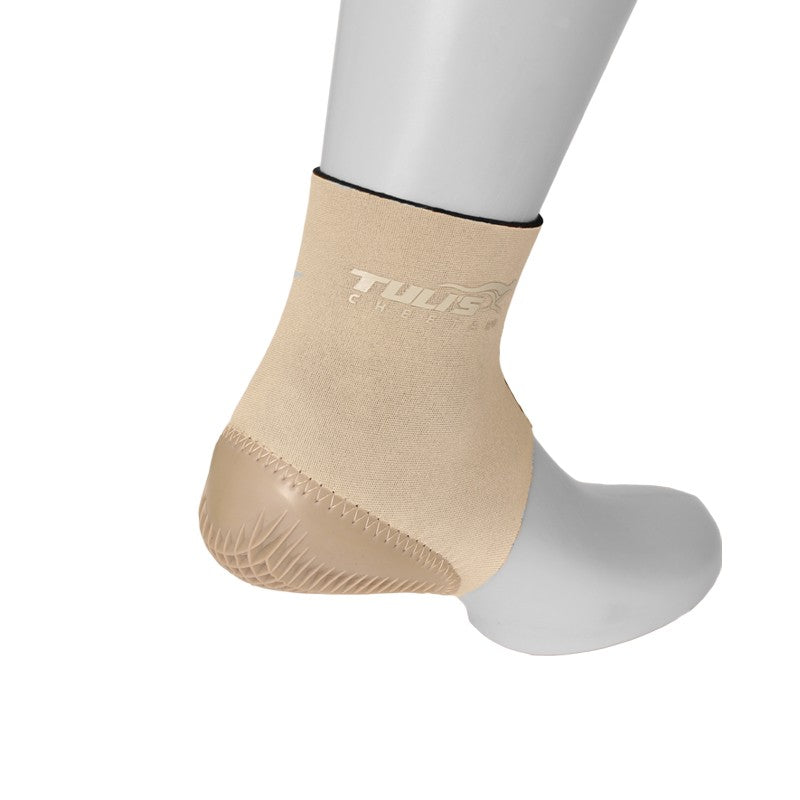
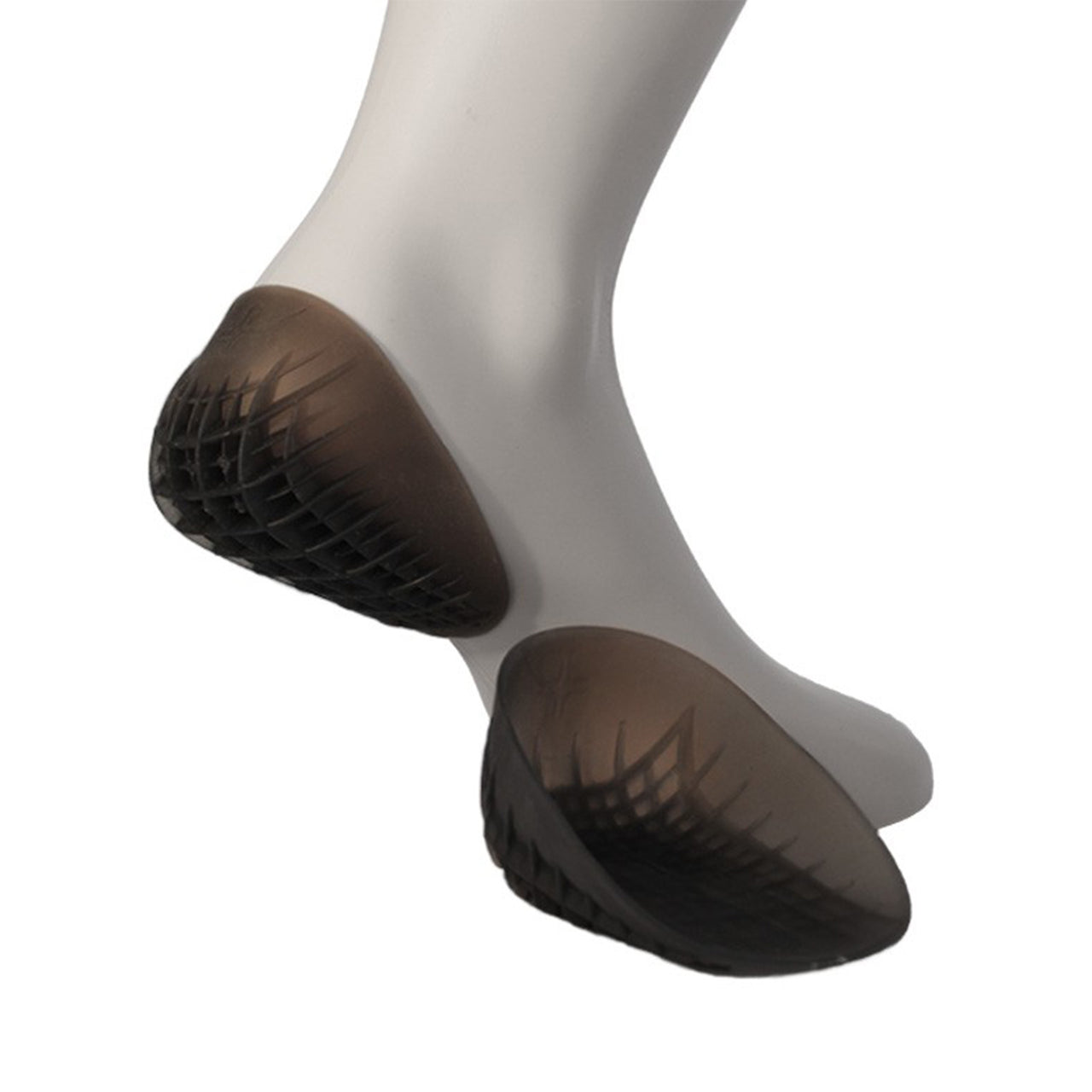
Die Fersenschale dämpft die Stöße bei jedem Schritt und sammelt das Fettpolster unter der Ferse für zusätzlichen Halt. Die Wirkung ist ein sanfterer Fersenauftritt und oft eine sofortige Schmerzlinderung. Die Fersenschale kann sowohl in Schuhen als auch in Socken verwendet werden, zum Beispiel in der Schule oder in der Freizeit.
Für die besten Ergebnisse sollte sie in der Größe angepasst werden, sodass sie die Ferse gut umschließt und optimale Stoßdämpfung in Kombination mit Stabilität bietet.
Alle Bandagen und Stützen anzeigen, die bei Sever-Syndrom entlasten können
Verwandte Verletzungen
- Abgenutztes Fersenpolster
- Fersensporn (Plantarfasziitis)
- Achillessehnenentzündung
- Schmerzen in der Ferse
Für mehr Informationen über den Fuß und die Ferse können Sie weiter im Verletzungsratgeber Fuß & Ferse lesen. Sie können auch zur Hauptseite des Verletzungsratgebers gehen, um über andere Verletzungen und Symptome zu lesen.