
Ein Bandscheibenvorfall im Nacken ist eine häufige Ursache für Nackenschmerzen, die in die Schulter und Arme ausstrahlen. Die Beschwerden können Schmerzen, Taubheit oder Schwäche verursachen, aber die meisten Menschen werden mit der Zeit besser. Hier erhalten Sie einen klaren Überblick über Symptome, Ursachen und was Sie tun können, um die Beschwerden zu lindern.
Was ist ein Bandscheibenvorfall im Nacken?
Ein Bandscheibenvorfall im Nacken, oder zervikaler Bandscheibenvorfall, bedeutet, dass eine Bandscheibe zwischen den Halswirbeln vorwölbt oder reißt und auf eine Nervenwurzel drückt. Dies kann Schmerzen im Nacken verursachen, die in die Schulter, den Arm und die Hand ausstrahlen. Die Symptome können plötzlich auftreten oder sich allmählich entwickeln und sind oft mit Steifheit und eingeschränkter Beweglichkeit im Nacken verbunden. Die meisten Bandscheibenvorfälle heilen innerhalb von 2–6 Monaten von selbst.
Häufige Ursachen & Risikofaktoren
Altersbedingte Veränderungen der Bandscheiben, langanhaltende Belastung, wiederholte Biege- und Drehbewegungen oder statische Arbeit sind häufige Ursachen. Mit der Zeit wird die Bandscheibe weniger elastisch und empfindlicher gegenüber Belastungen. Personen, die viel am Computer arbeiten, schwere Gegenstände heben oder ihren Nacken wiederholten Bewegungen aussetzen, haben möglicherweise ein erhöhtes Risiko.
Symptome
Typische Symptome sind Schmerzen im Nacken mit Ausstrahlung in die Schulter und Arme, manchmal bis in die Hand. Kribbeln, Taubheit oder reduzierte Kraft im Arm können auftreten, abhängig davon, welche Nervenwurzel betroffen ist. Der Nacken kann sich steif anfühlen. Bestimmte Bewegungen, insbesondere das Zurückbeugen oder Drehen, können die Schmerzen verschlimmern.
Wann sollten Sie medizinische Hilfe suchen?
Kontaktieren Sie ein Gesundheitszentrum, wenn sich die Symptome nach drei bis vier Wochen nicht verbessert haben, bei starken oder zunehmenden Schmerzen, wenn es Auswirkungen auf das Empfinden oder die Kraft im Arm oder in der Hand gibt, oder wenn Sie Schwierigkeiten haben, Ihre Hand bei alltäglichen Aktivitäten zu benutzen.
Suchen Sie sofortige Hilfe, wenn Sie einen signifikanten Verlust an Kraft oder Empfindung in Ihren Armen, Beinen oder im Bereich der Geschlechtsorgane/After erleben, Schwierigkeiten beim Gehen haben oder Probleme haben, Ihren Urin oder Stuhl zu kontrollieren. Solche Anzeichen können auf eine ernstere Nervenbeteiligung hinweisen, die eine sofortige Bewertung erfordert.
Empfohlene Schutz- & Unterstützungsmittel
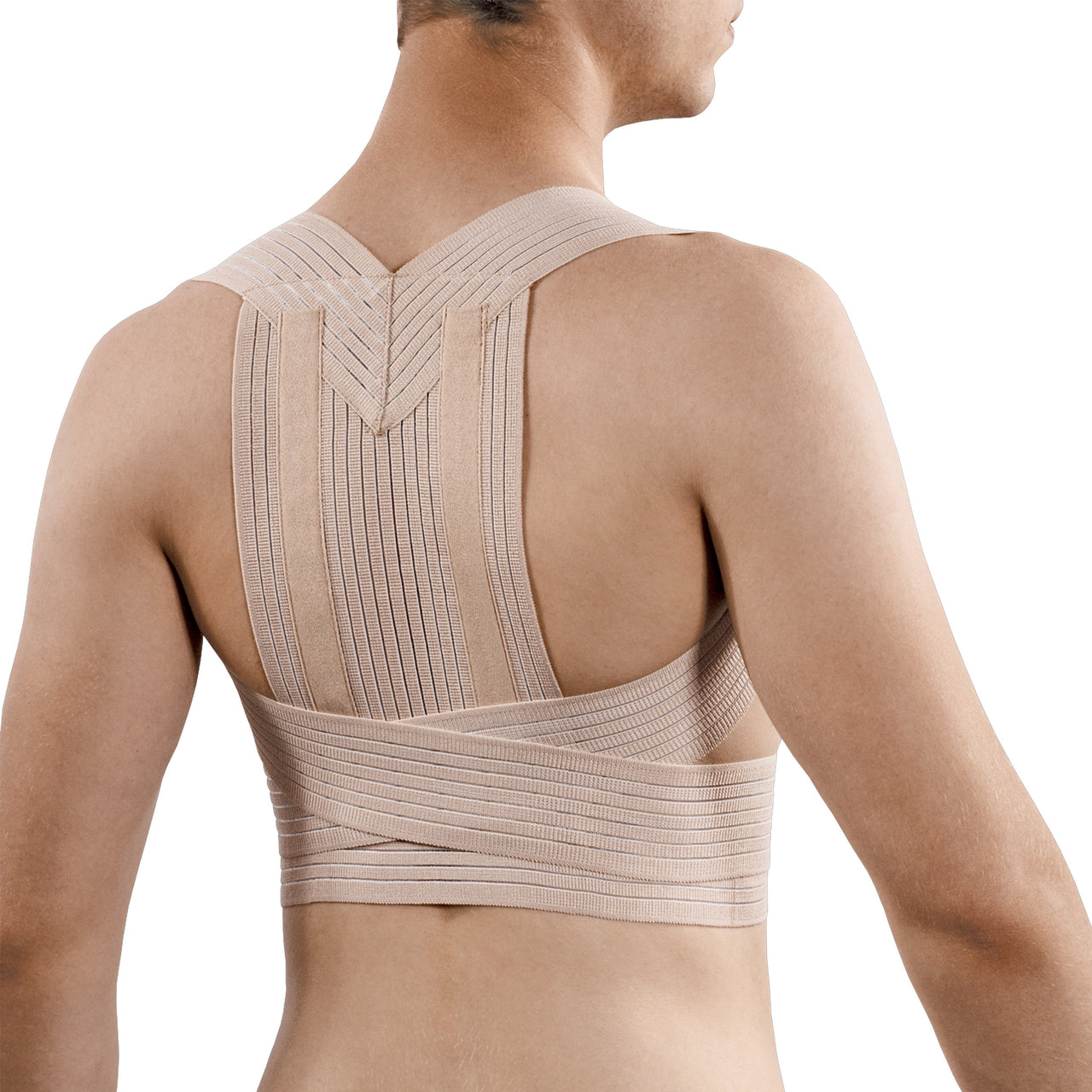
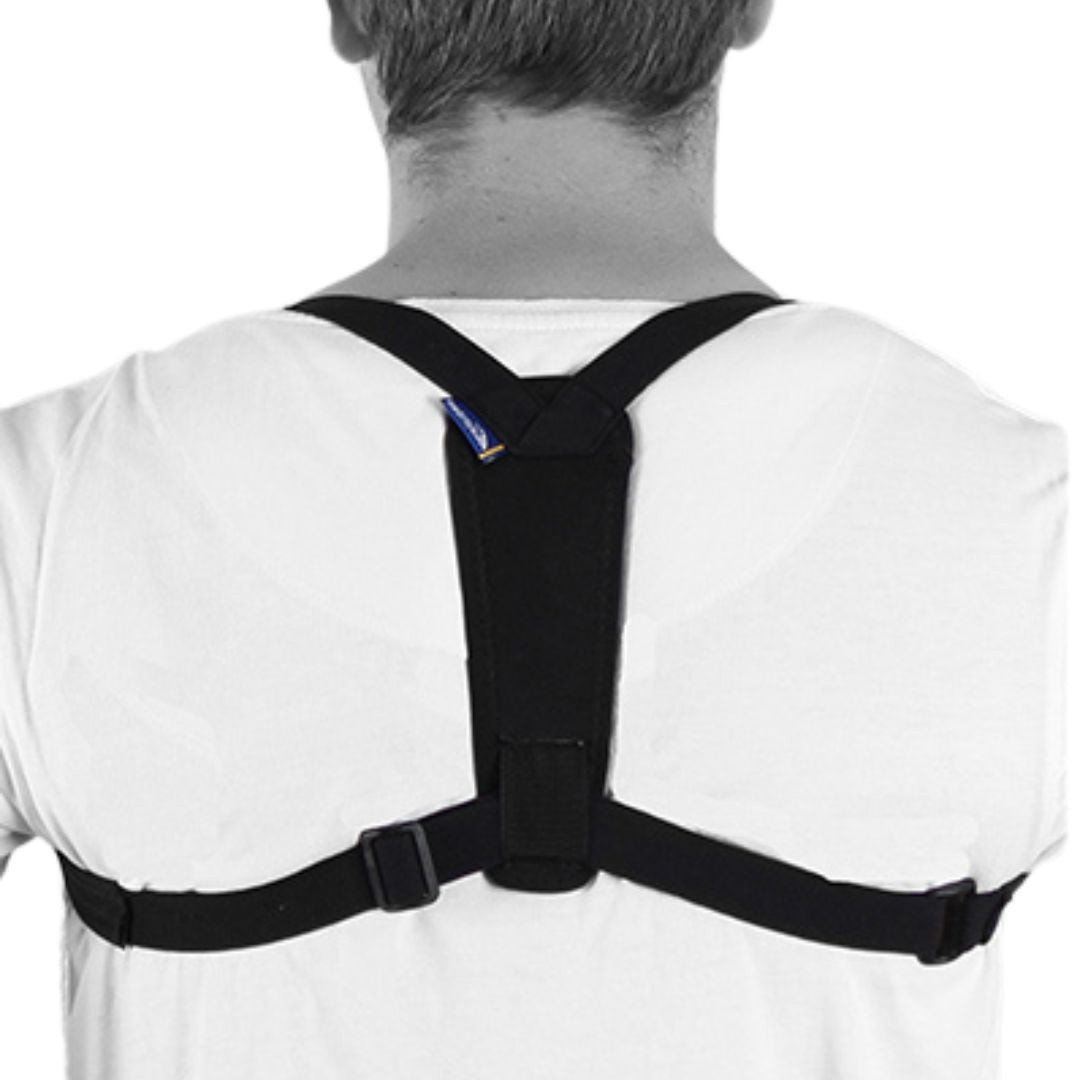
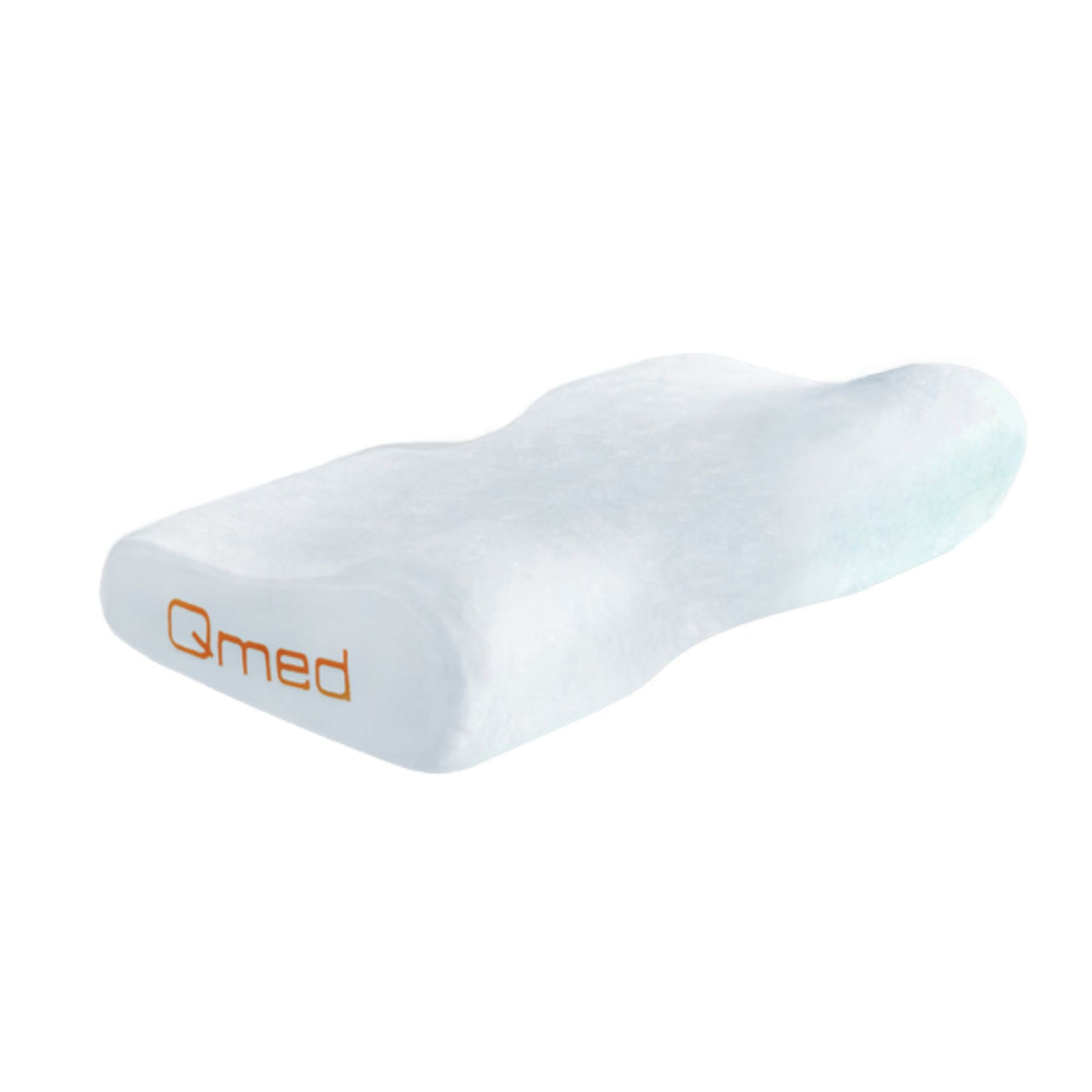
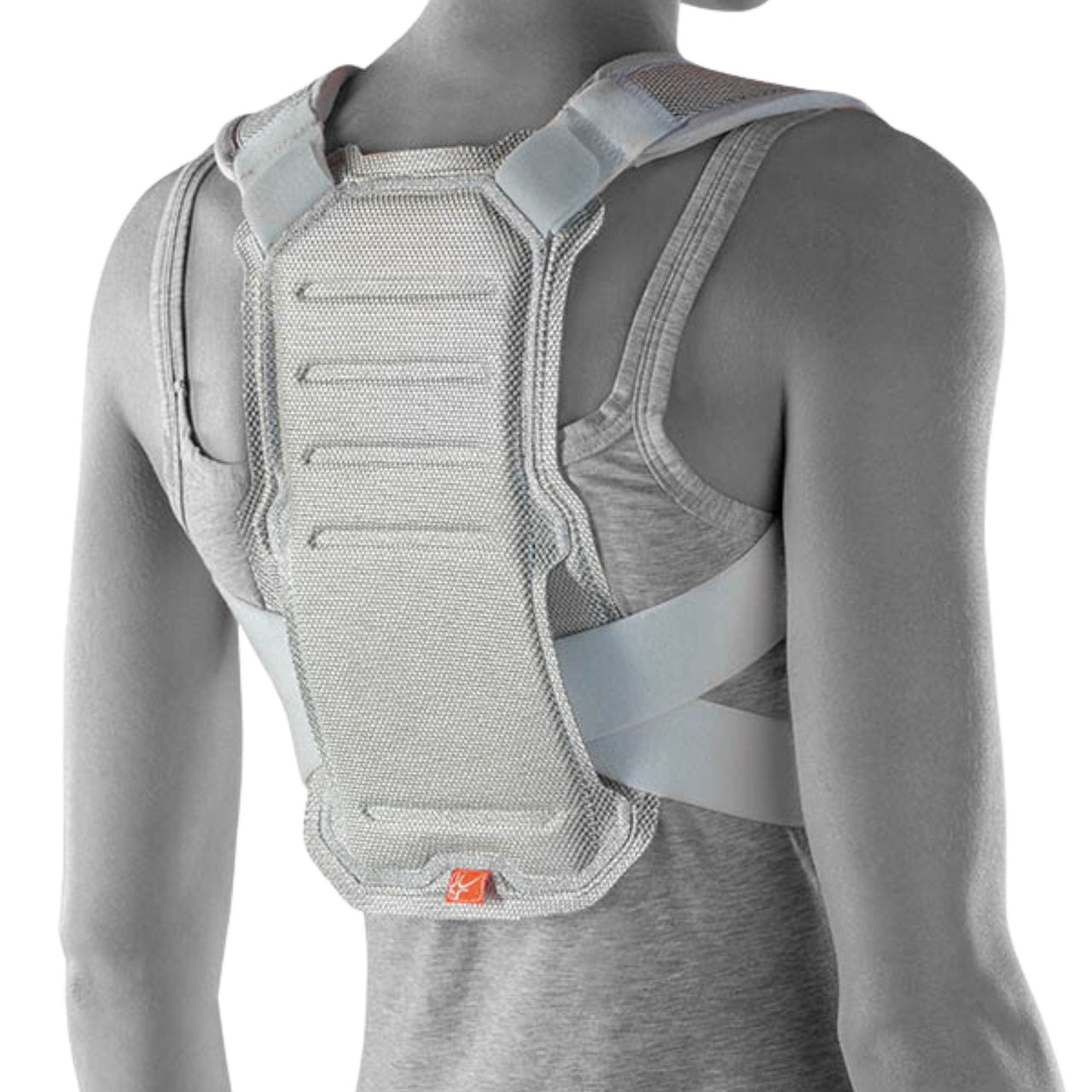
Wärme über Nacken und Schultern kann Muskelverspannungen lindern. Ein Nackenkissen oder ergonomische Anpassungen beim Schlafen und Arbeiten können die Belastung reduzieren. Haltungsgurte, die eine neutralere Position fördern, können hilfreich sein. Das Training der tiefen Halsmuskeln sowie der Muskeln um die Schulterblätter und die Brustwirbelsäule ist wichtig für eine langfristige Verbesserung.
Sehen Sie Produkte, die bei einem Bandscheibenvorfall im Nacken helfen können
Verwandte Verletzungen
Für mehr Informationen über Nackenprobleme finden Sie weitere Artikel im Verletzungsratgeber Nacken. Sie können auch zur Hauptseite des Verletzungsratgebers gehen, um über andere Verletzungen und Symptome zu lesen.