
Bestseller
Angebot
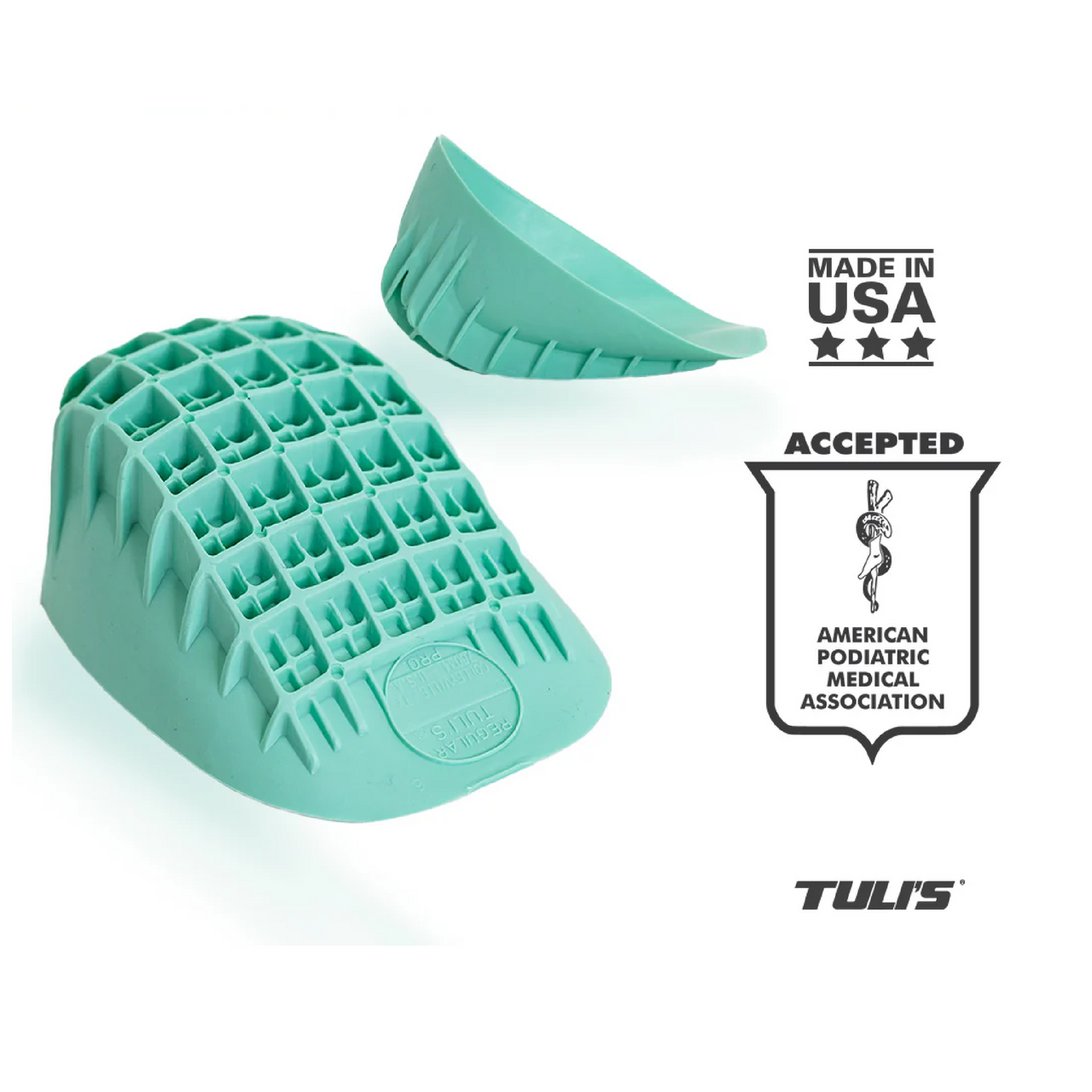
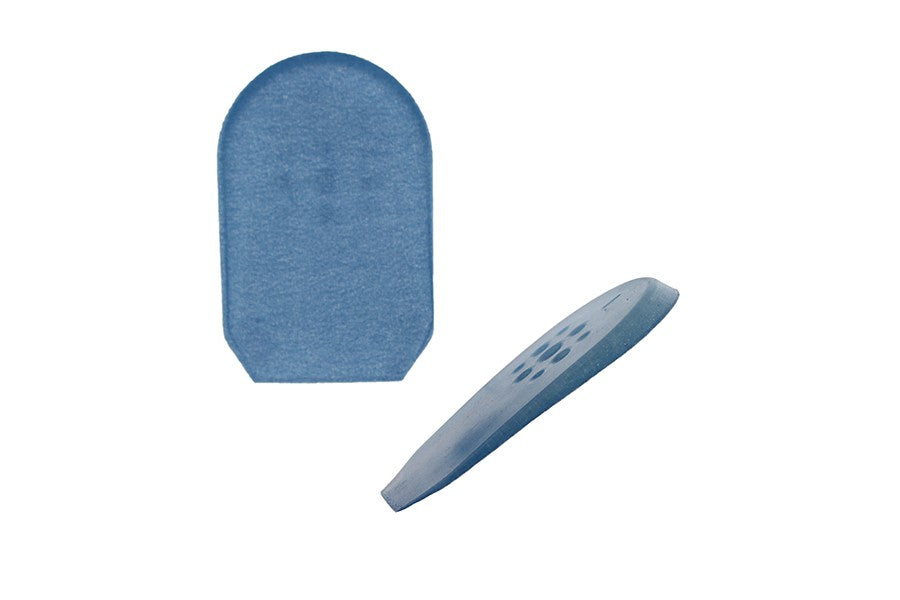
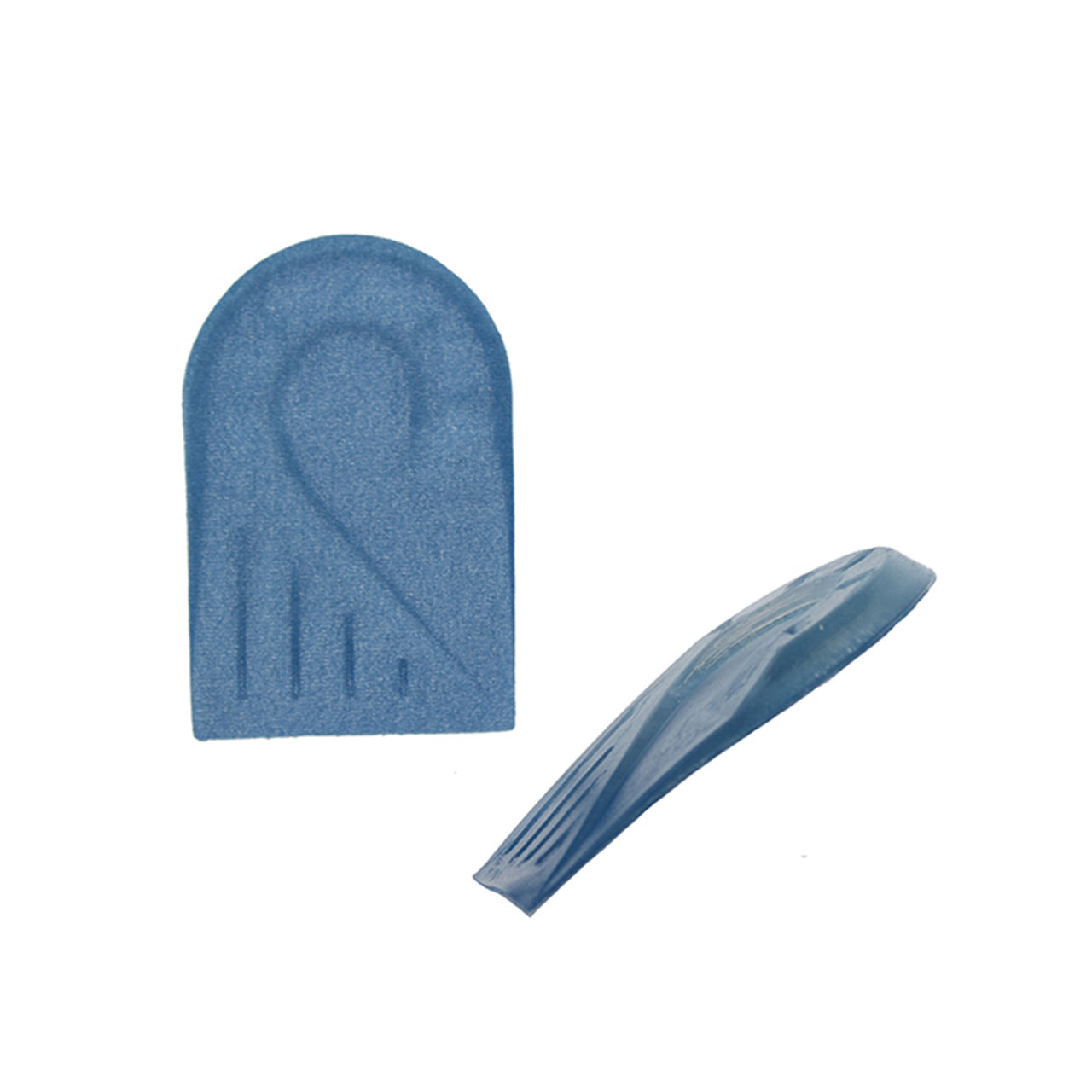
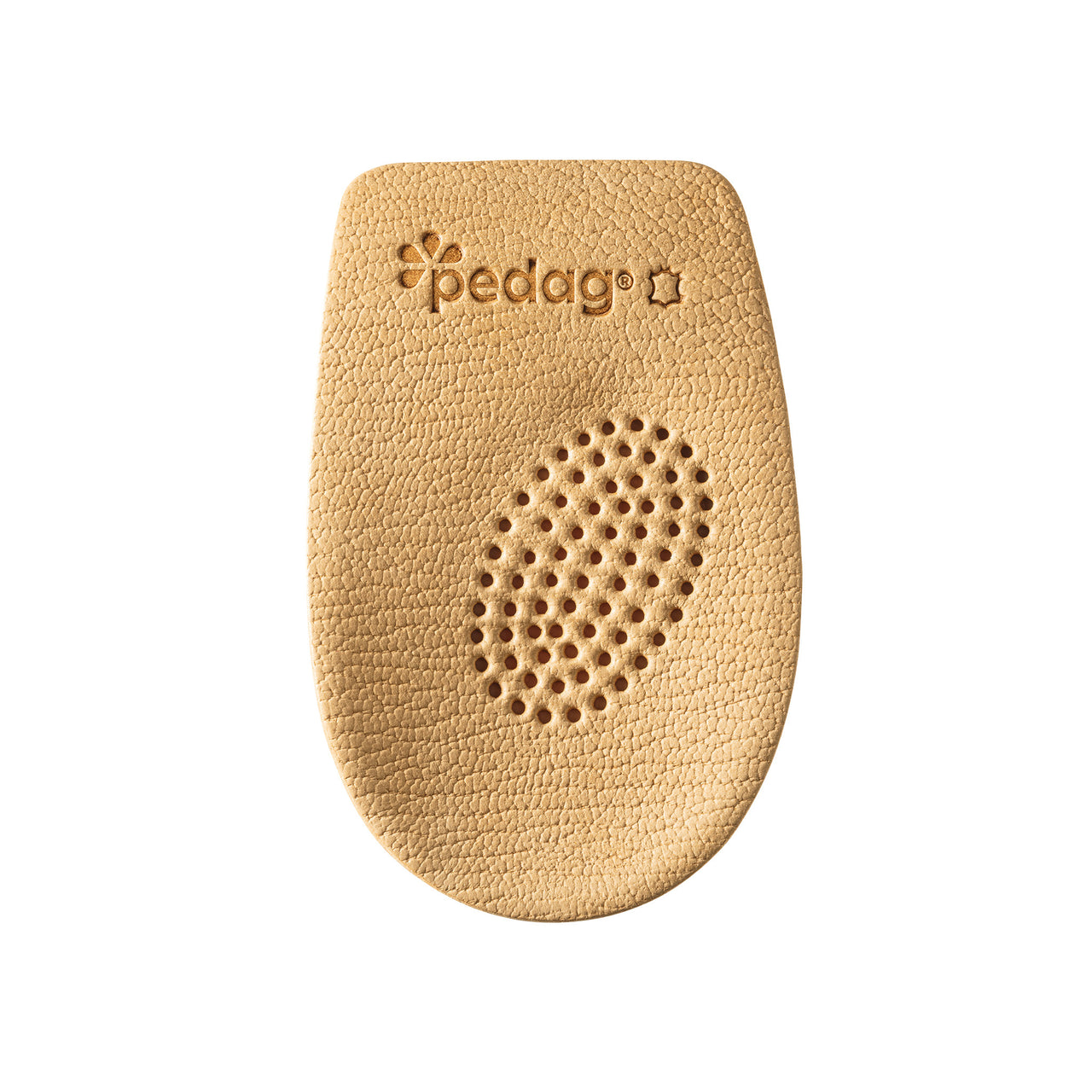

Das Fersenpolster unter dem Fersenbein fungiert als natürlicher Stoßdämpfer des Körpers. Überlastung, Alterung oder wachstumsbedingte Probleme können die Dämpfungsfähigkeit des Fersenpolsters verringern, was oft zu Schmerzen und Reizungen beim Aufsetzen der Ferse führt. Fersenschoner helfen, das Fersenpolster zu sammeln und zu stützen, während sie Stöße absorbieren, was eine sanftere und schonendere Belastung ermöglicht.
Der richtige Fersenschoner bietet weiche Stoßdämpfung und gezielte Entlastung, wenn jeder Schritt in der Ferse spürbar ist. Egal, ob die Schmerzen durch einen Fersensporn, eine Plantarfasziitis, ein abgenutztes Fersenpolster oder eine Sever-Verletzung bei Kindern verursacht werden, gut ausgewählte Schoner können den Alltag erleichtern. Materialien wie Silikon und Gel verteilen den Druck unter dem Fersenbein, Fersenschalen umschließen die Ferse für Stabilität, und Fersenpolster bieten angenehme Dämpfung in sowohl Alltags- als auch Trainingsschuhen. Bei anhaltenden oder zunehmenden Beschwerden sollten Sie Ihren Arzt kontaktieren.
Mit jahrelanger Erfahrung in der Rehabilitation und orthopädischen Hilfsmitteln bieten wir ein komplettes Sortiment an Fersenschonern für verschiedene Bedürfnisse und Altersgruppen an. Jedes Produkt wird sorgfältig ausgewählt, wobei der Fokus auf Funktion, Passform und Stoßdämpfung liegt, um die bestmögliche Entlastung bei Fersenschmerzen zu bieten – sowohl im Alltag als auch im Sport.
Bei einem klaren Fersensporn eignet sich eine tiefe Fersenschale aus Silikon oder Gel, die die Ferse umschließt und die Punktbelastung verringert. Wenn die Schmerzen mehr an der Vorderseite der Ferse sitzen oder unter dem Fußgewölbe ausstrahlen, deutet dies auf eine Plantarfasziitis hin; dann kann eine Einlage mit Fußgewölbestütze besser funktionieren als eine reine Fersenschale. Wenn das Fersenpolster abgenutzt ist, wird eine weiche Stoßdämpfung benötigt, um die Federung wiederherzustellen.
Ein großer Vorteil von Fersenschonern ist, dass sie direkt am Fuß getragen werden und fest sitzen. Das bedeutet, dass sie sowohl in Schuhen als auch barfuß gut funktionieren, beispielsweise beim Turnen, Tanzen oder anderen Sportarten, bei denen keine Schuhe getragen werden. Unser Sortiment umfasst Fersenschoner für Kinder und Erwachsene, die für den Alltag, die Arbeit und das Training angepasst sind.
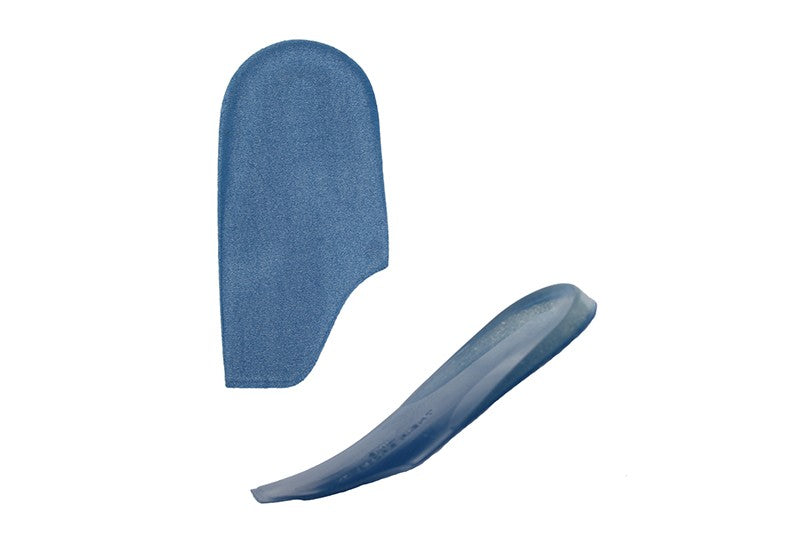
Bei einer Achillessehnenentzündung kann eine leichte Fersenhebung entlasten, indem sie die Zugkraft auf die Achillessehne verringert. Die Hebung wird oft mit einem wärmenden Wadenschutz kombiniert, der Unterstützung um die Wade bietet. Kinder mit Sever-Verletzung benötigen flexible Dämpfung, die nicht zu hoch im Schuh ist, während trockene und rissige Fersen mit einer Gel-Socke behandelt werden können, die sowohl befeuchtet als auch dämpft.
Fersenschalen
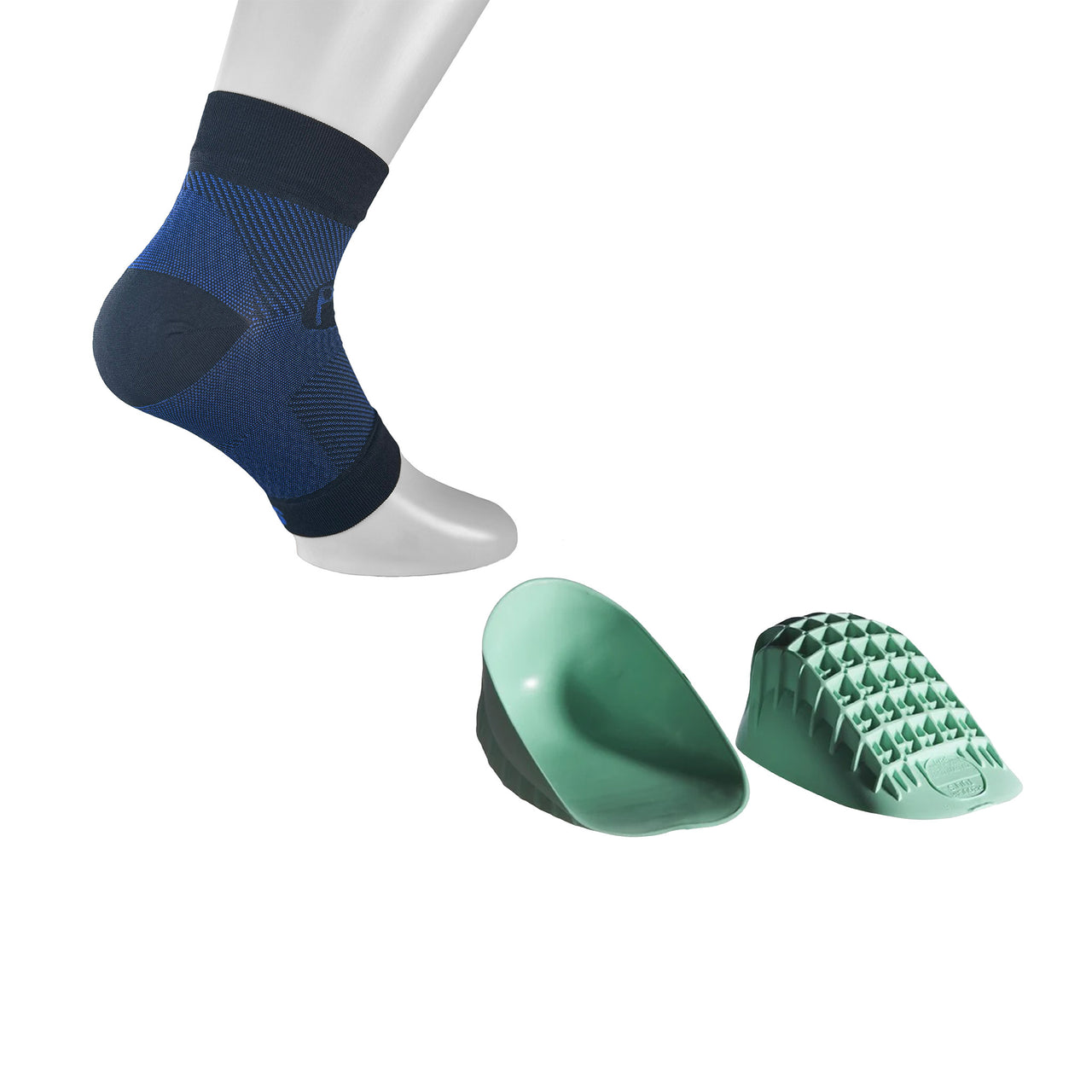
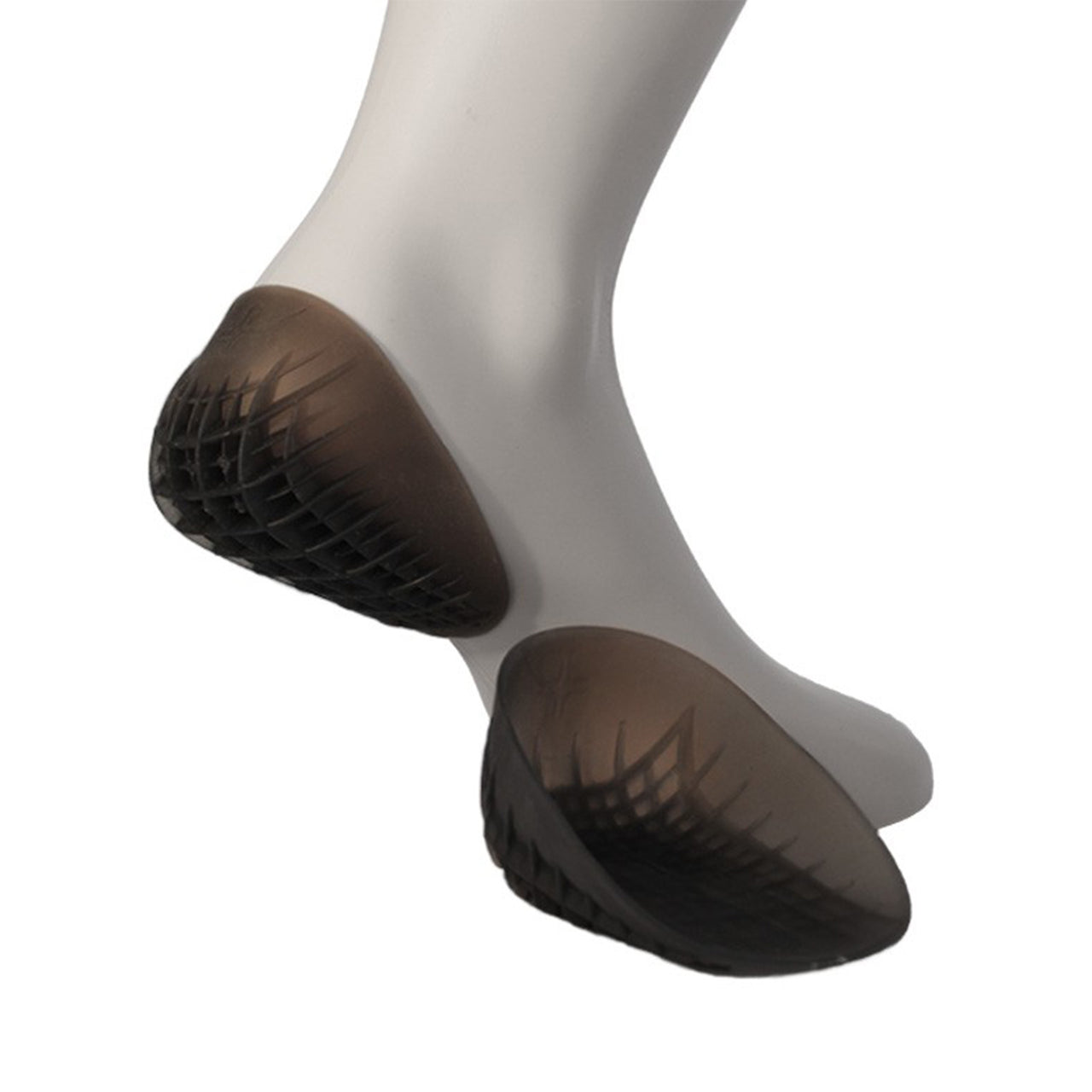
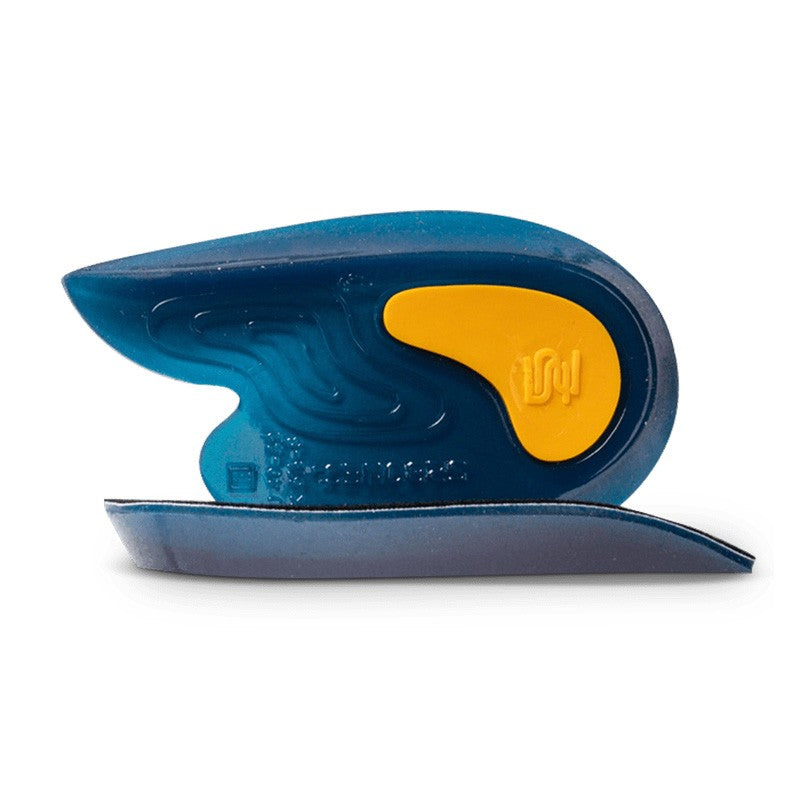
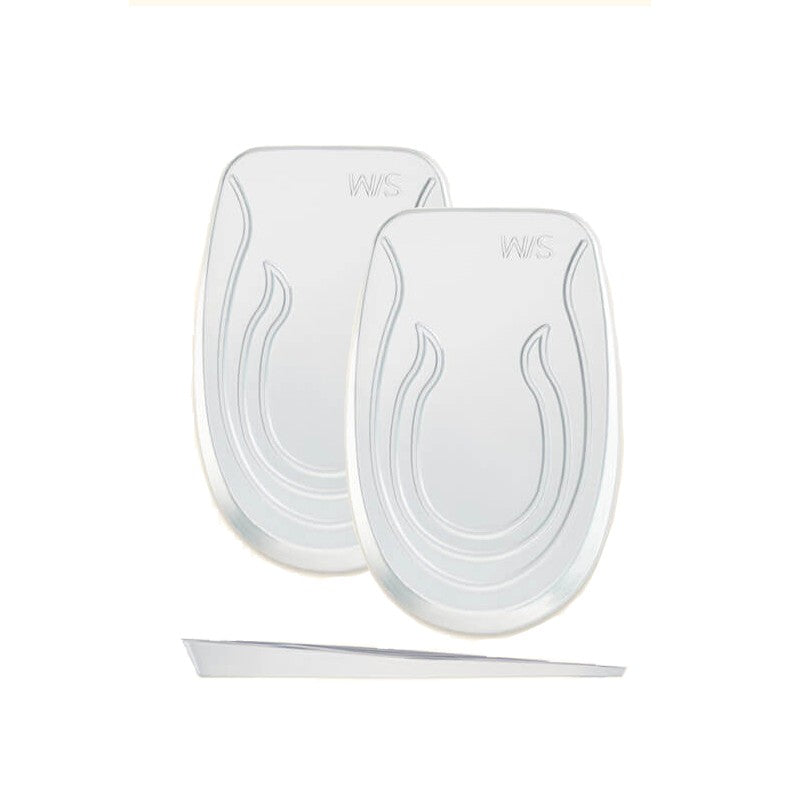
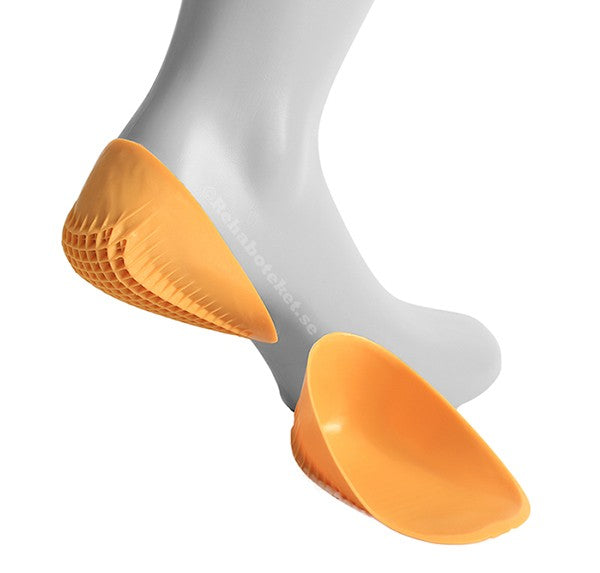
Fersenschalen sind so gestaltet, dass sie das Fersenpolster um das Fersenbein sammeln und stützen, während sie eine effektive Stoßdämpfung beim Aufsetzen der Ferse bieten. Sie werden häufig bei Fersenschmerzen, abgenutzten Fersenpolstern und Fersenspornen verwendet und sind sowohl für Alltags-, Arbeits- als auch Trainingsschuhe geeignet. Fersenschalen bieten gezielte Entlastung direkt im Schmerzbereich.
Fersenkissen
Fersenkissen bieten allgemeine Stoßdämpfung unter der Ferse und können auch zu einer leichten Erhöhung der Ferse beitragen. Sie werden häufig bei Fersenschmerzen eingesetzt oder wenn die Belastung auf die Ferse und Wadenmuskulatur verringert werden soll. Im Gegensatz zu Fersenschalen fehlt Fersenkissen die sammelnde Funktion um das Fersenpolster, können aber eine Alternative bei milderen Beschwerden sein.
Fersenschale mit integrierter Socke – für barfuß Aktivitäten
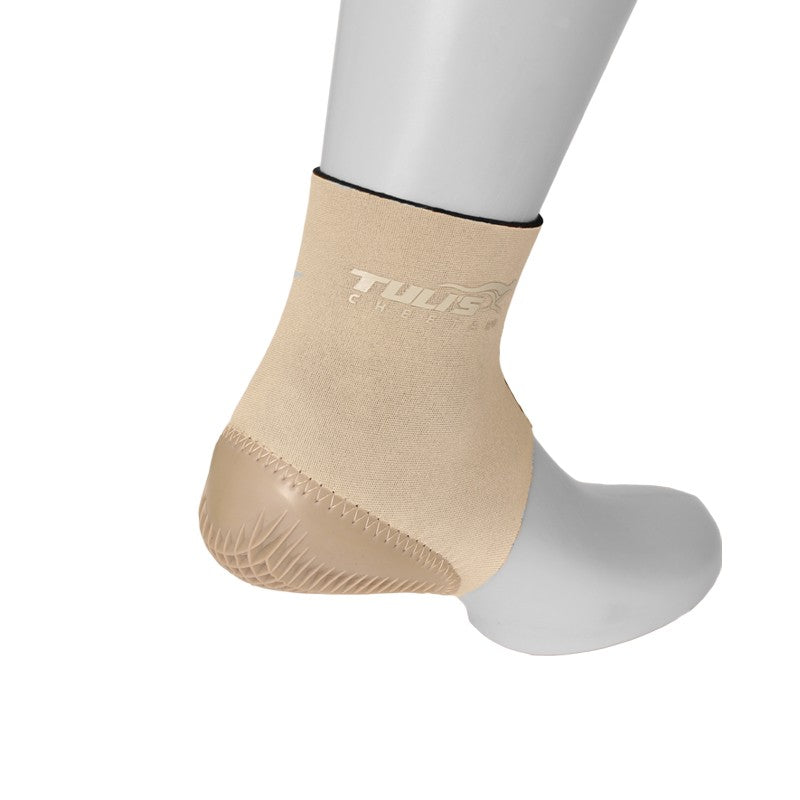
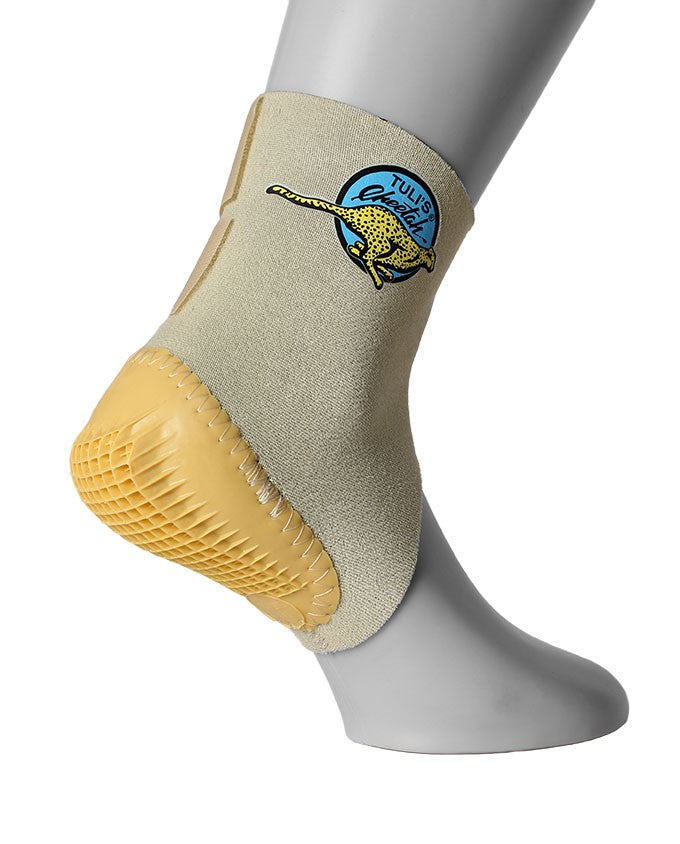
Für Aktivitäten, bei denen keine Schuhe getragen werden, wie Turnen, Tanzen oder bestimmte Trainingsformen, sind Fersenschalen in einer sockenähnlichen Konstruktion integriert. Diese Modelle sitzen fest am Fuß und bieten Stoßdämpfung und Unterstützung, auch beim Barfußtraining, was sie besonders beliebt bei Kindern, Jugendlichen und Sportlern macht, die ohne Schuhe trainieren.
Kompressionsstrümpfe mit Entlastung für die Ferse
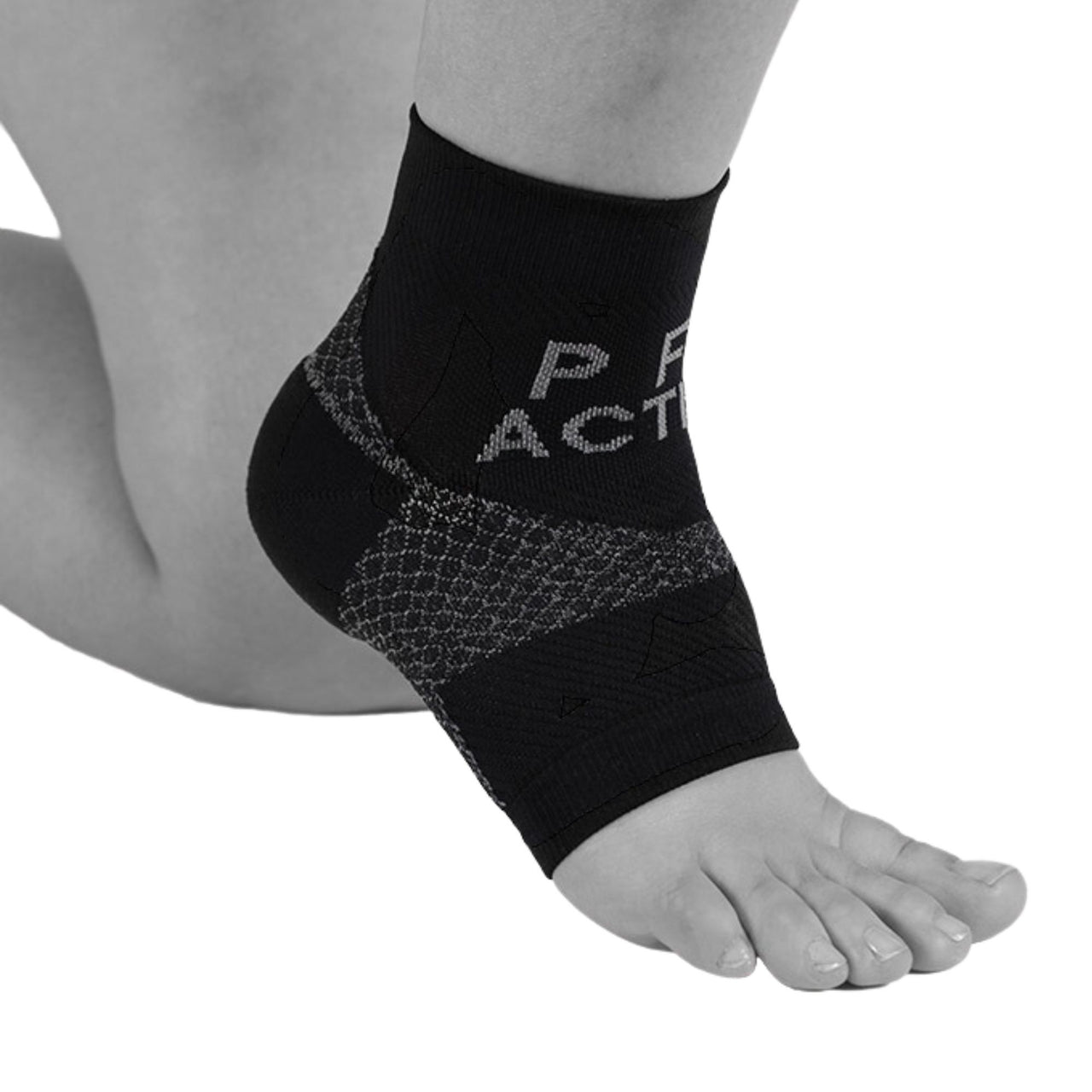
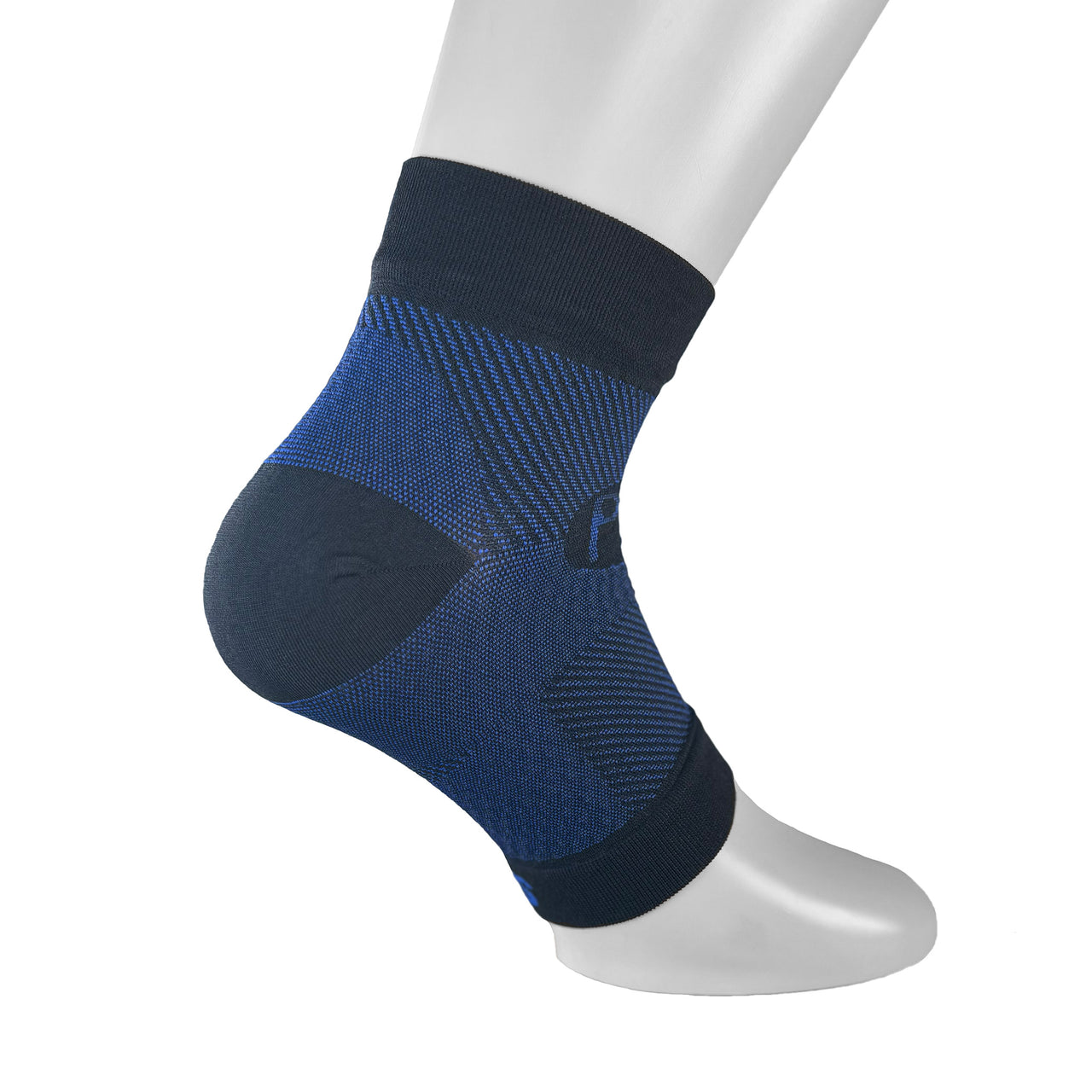
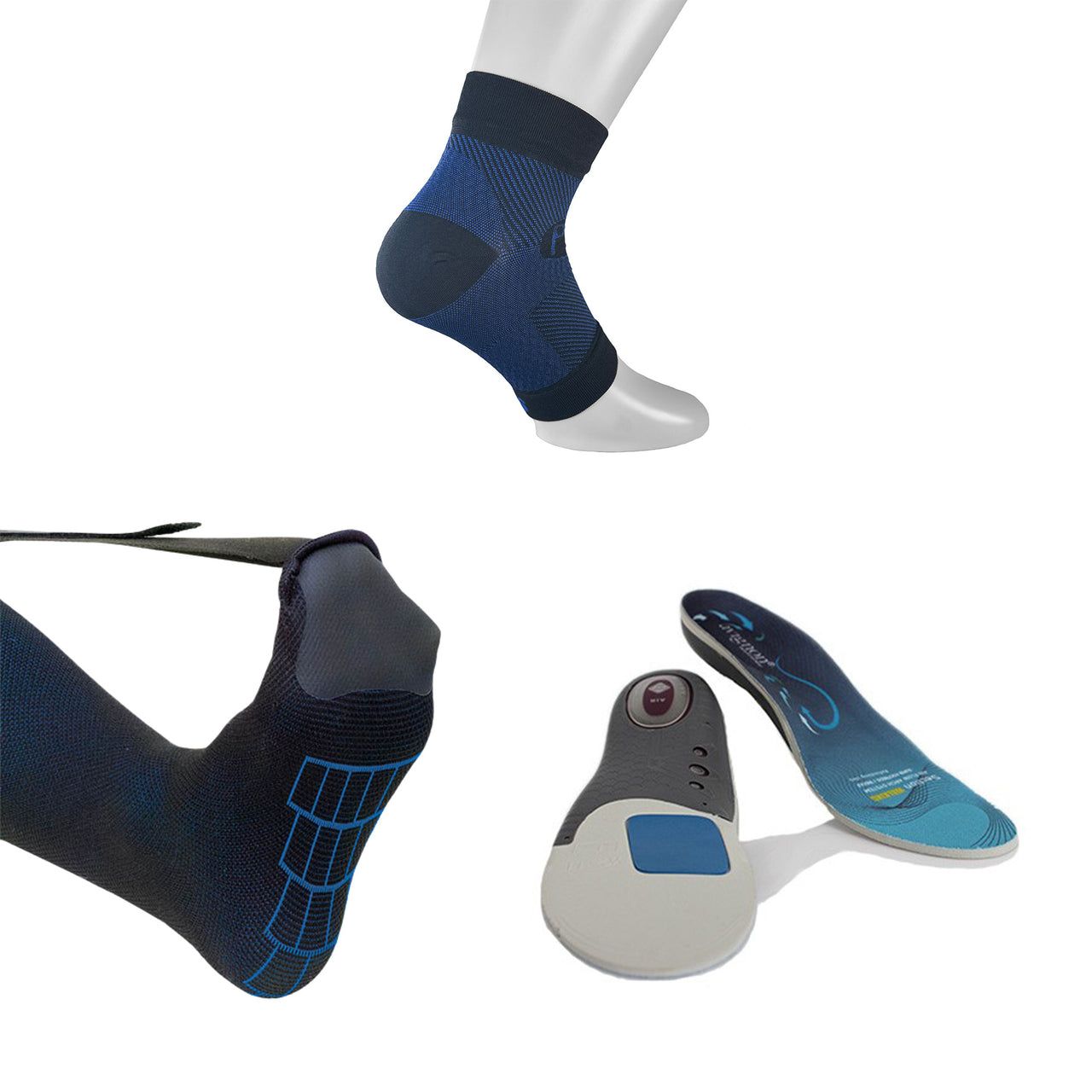
Kompressionsstrümpfe für die Ferse kombinieren leichte Kompression mit Unterstützung um Fuß und Knöchel. Sie werden häufig bei langanhaltender Belastung, Alltagsaktivitäten oder Sport eingesetzt und können helfen, Schwellungen zu reduzieren und den Komfort zu erhöhen. Einige Modelle haben auch zusätzliche Dämpfung oder Entlastungszonen rund um die Ferse.
Nachtschienen & Nachtstrümpfe
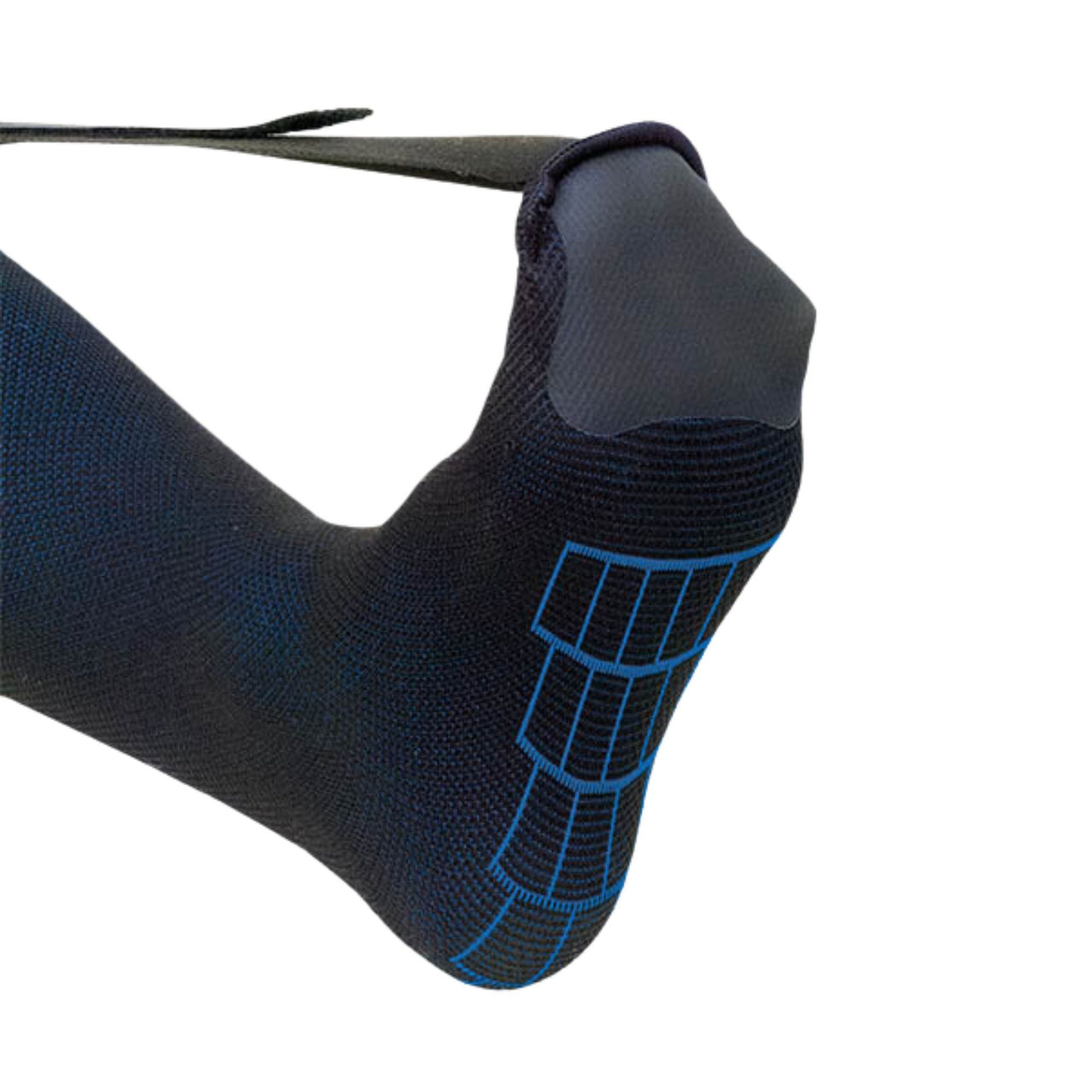
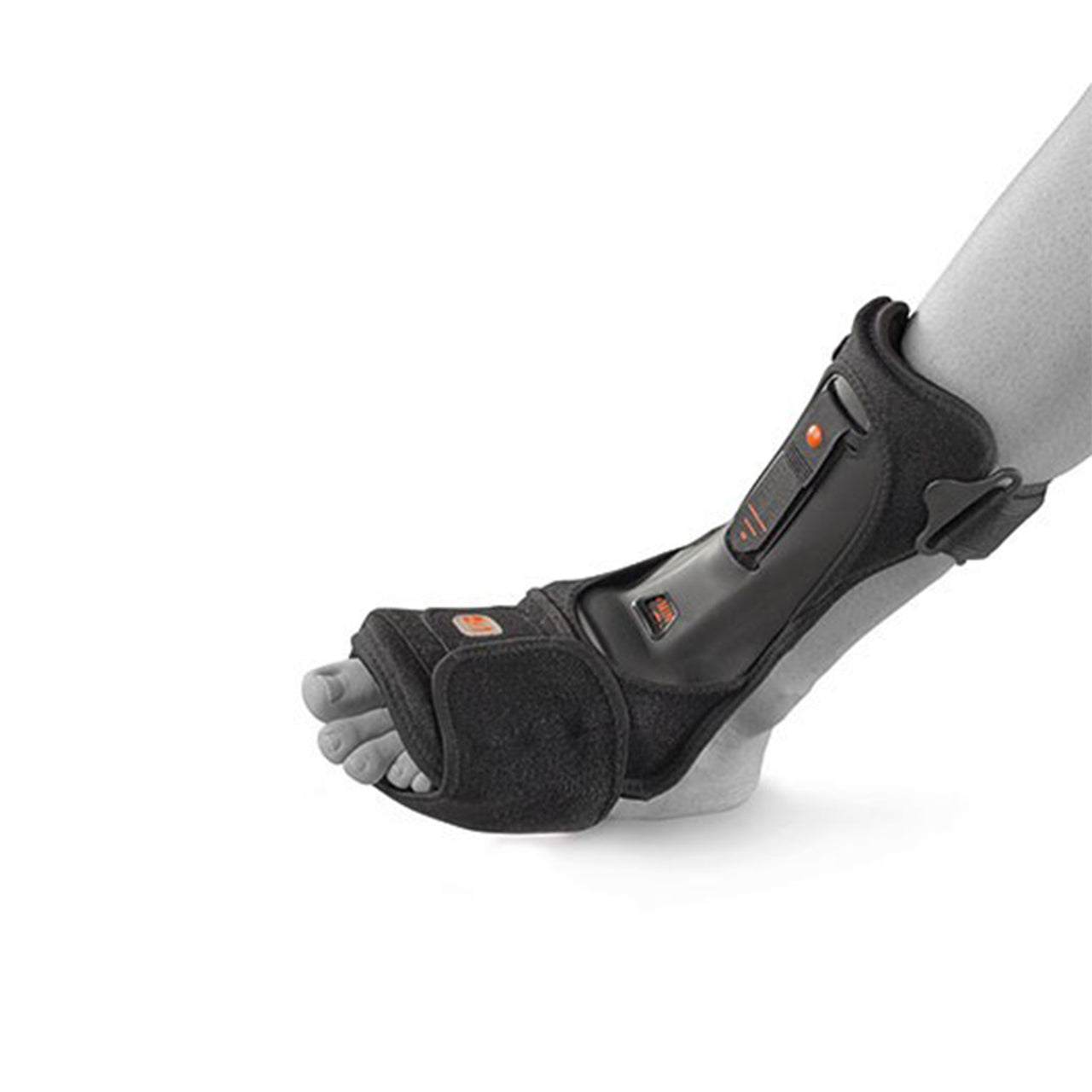
Nachtschienen und Nachtstrümpfe werden hauptsächlich bei Beschwerden wie Fersensporn und Plantarfasziitis eingesetzt. Sie halten den Fuß in einer leicht gestreckten Position während der Nacht, was Steifheit und Schmerzen bei den ersten Schritten am Morgen verringern kann. Nachtschienen werden als Ergänzung zu Fersenschonern und anderen Entlastungslösungen im Alltag verwendet.