
Bestseller

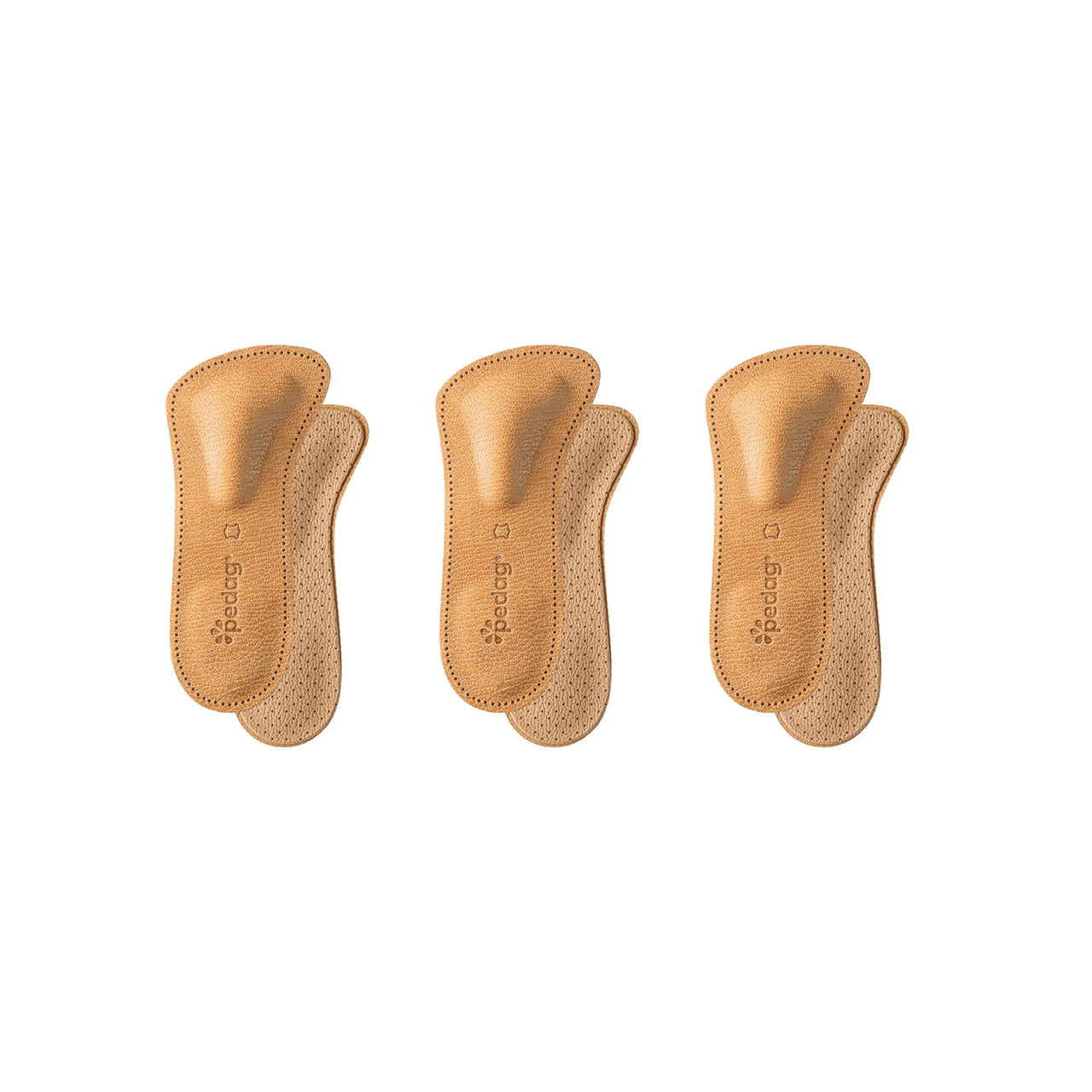
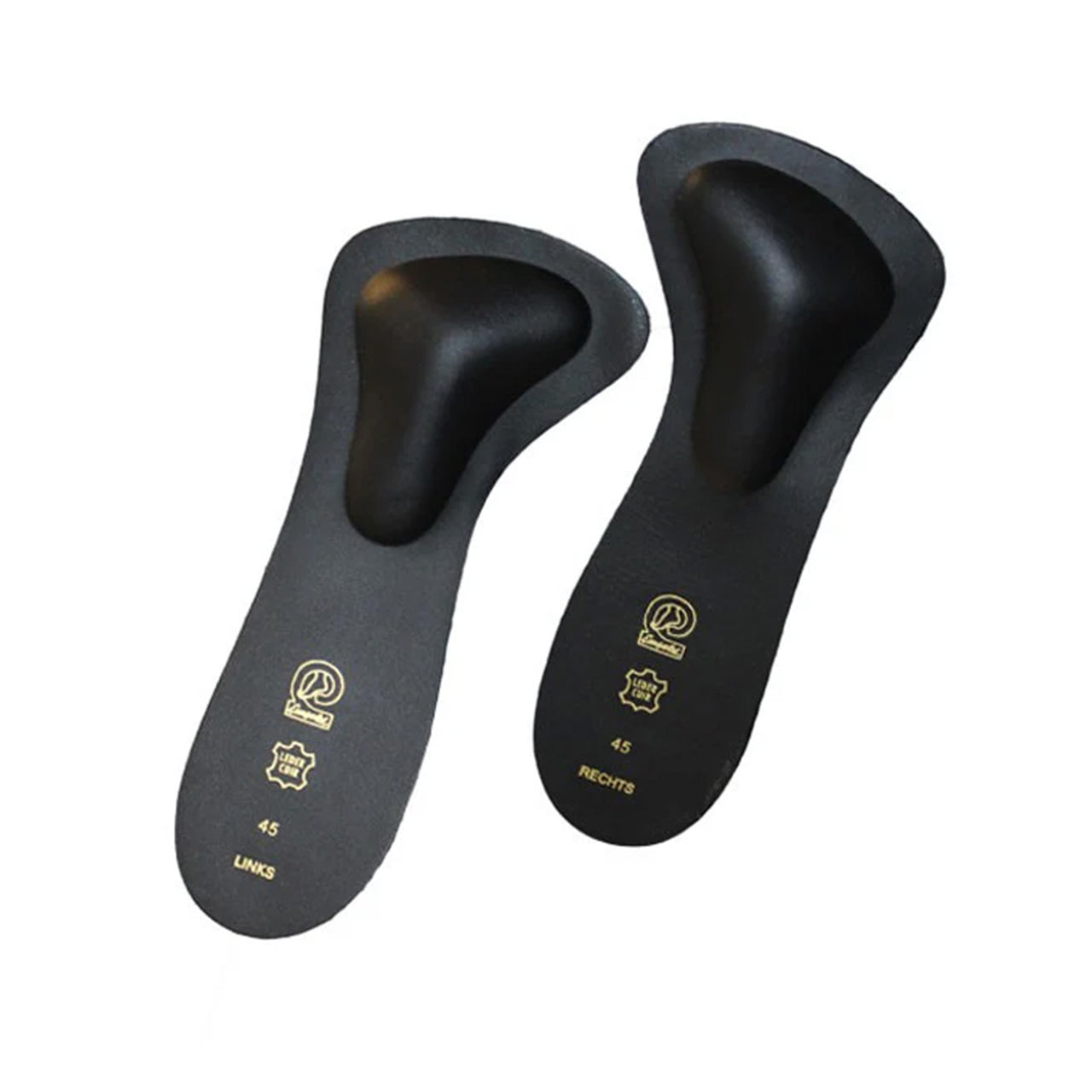
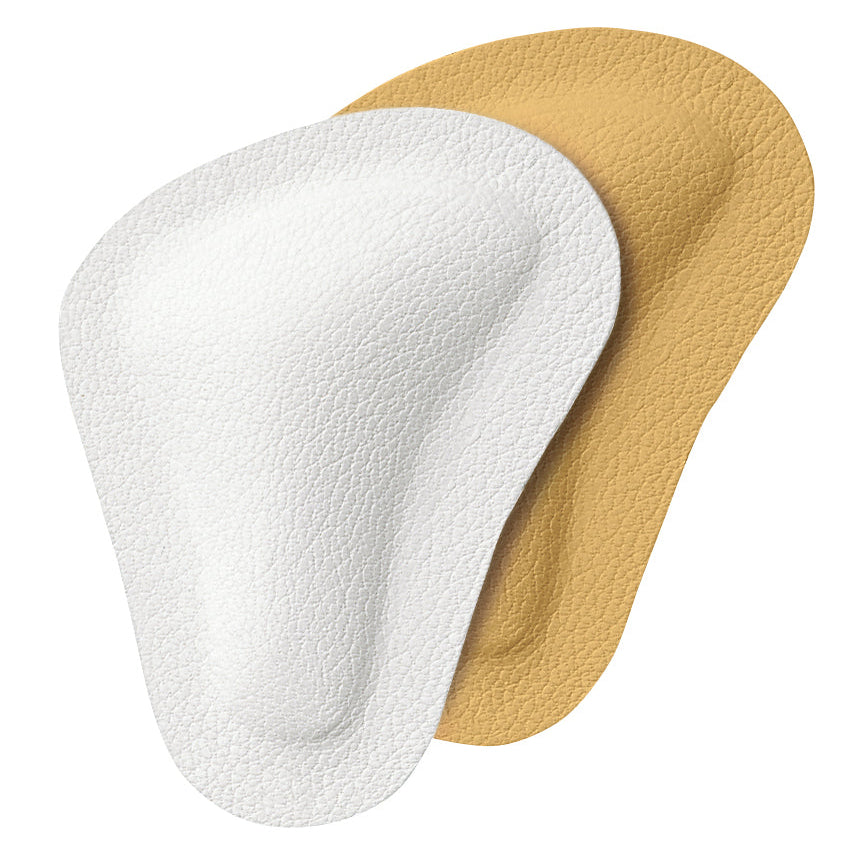
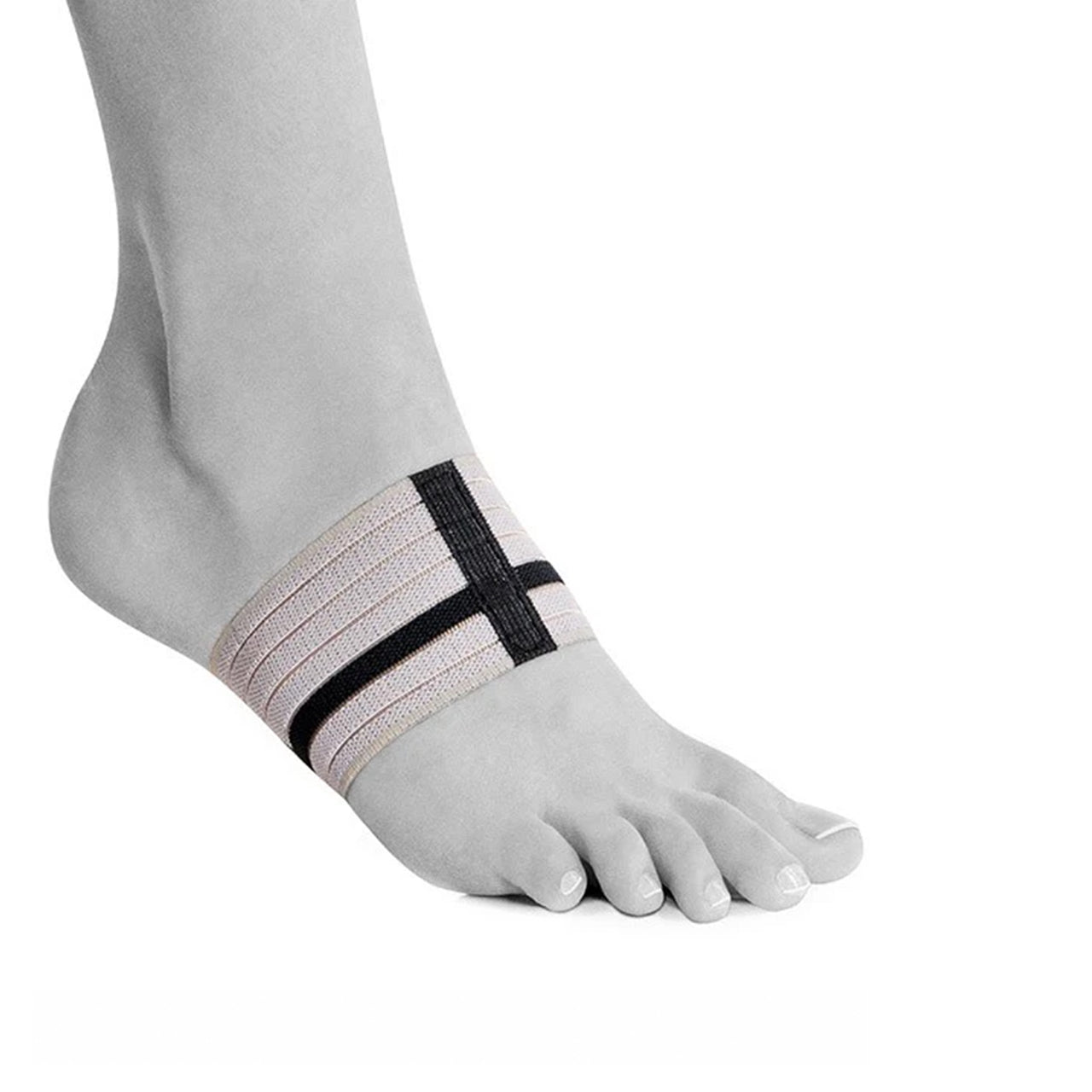
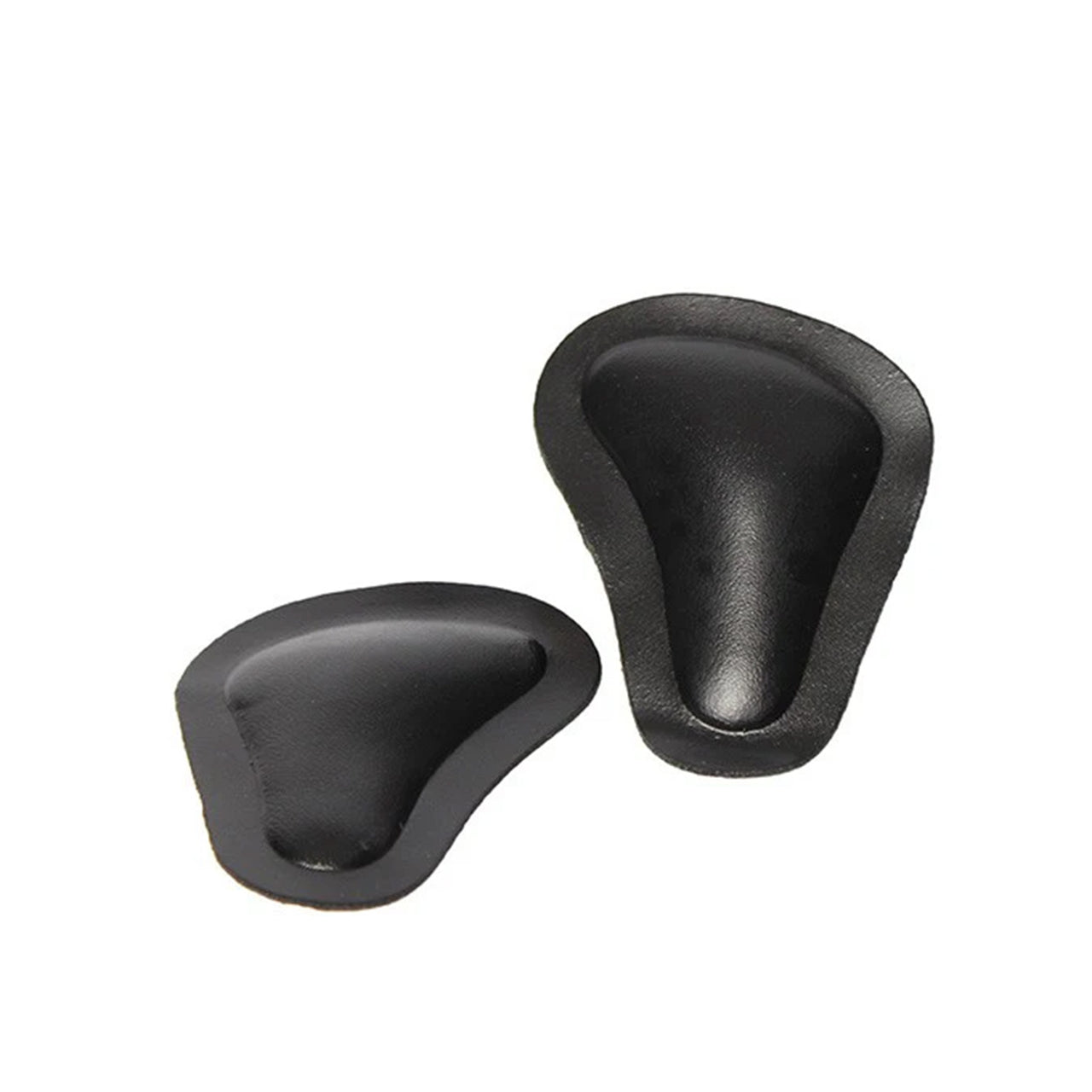
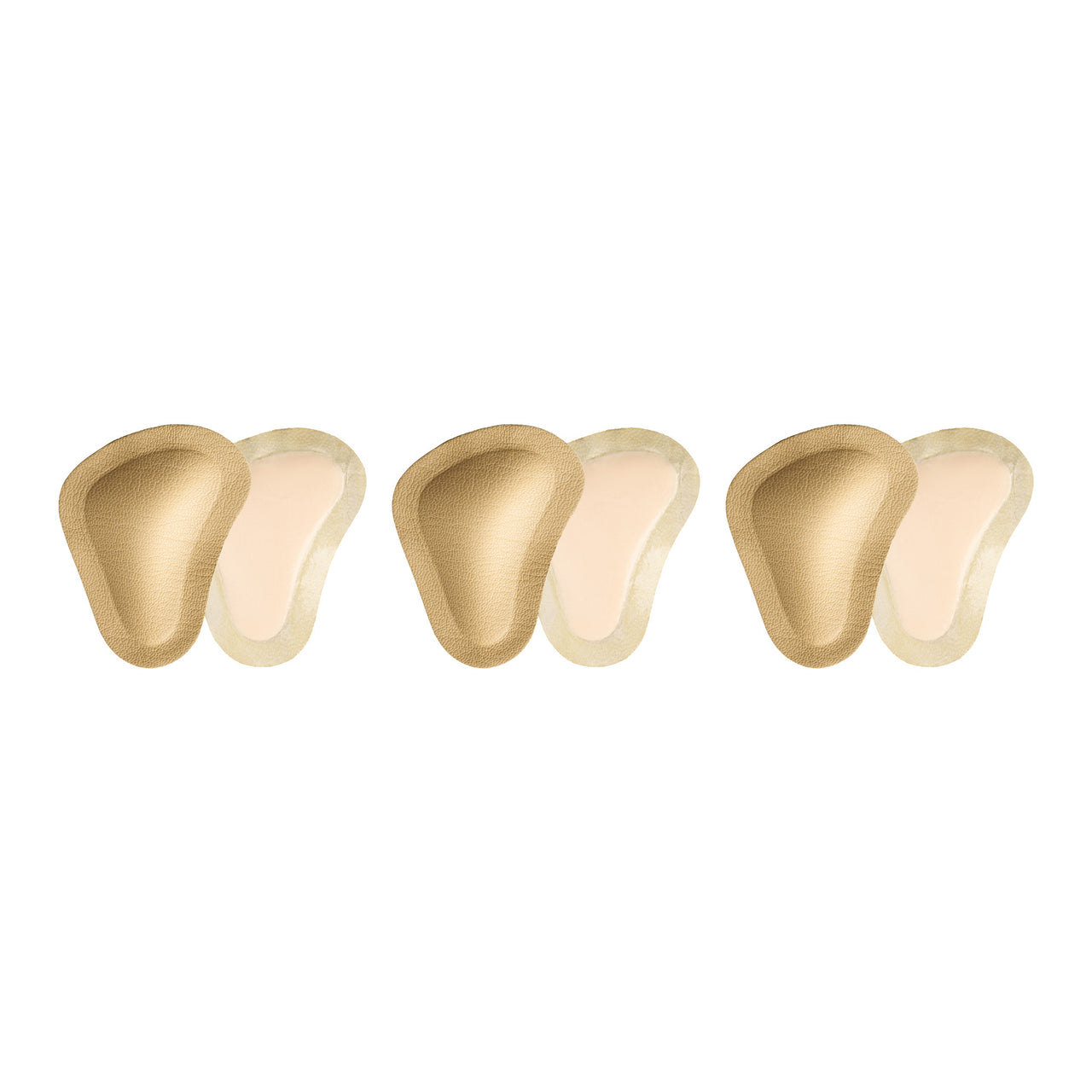
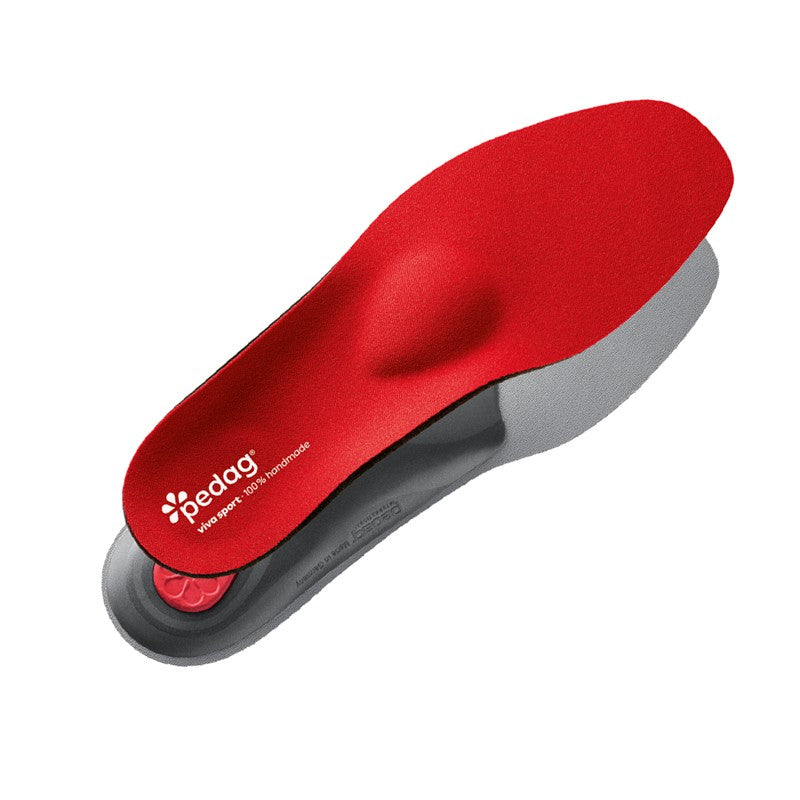
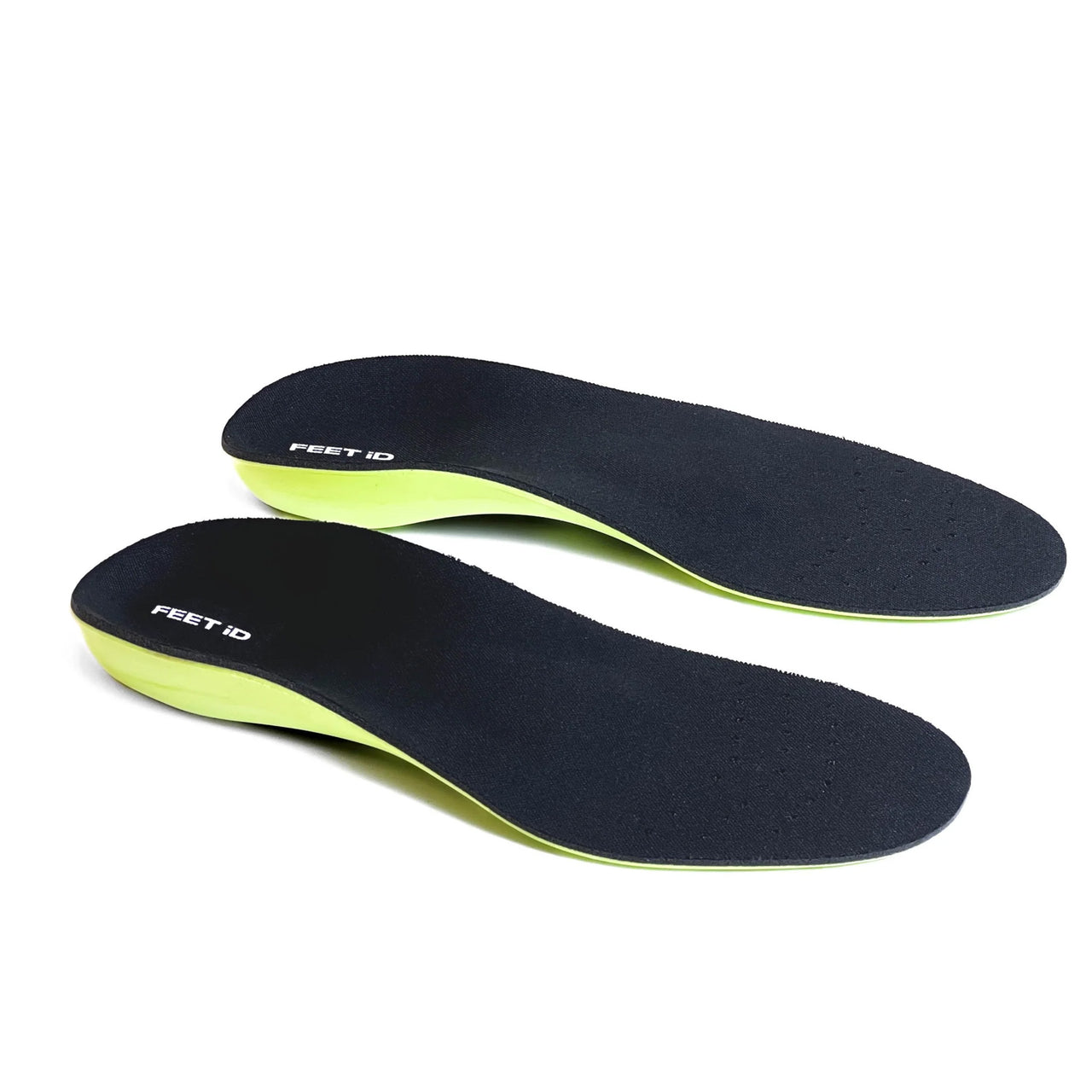
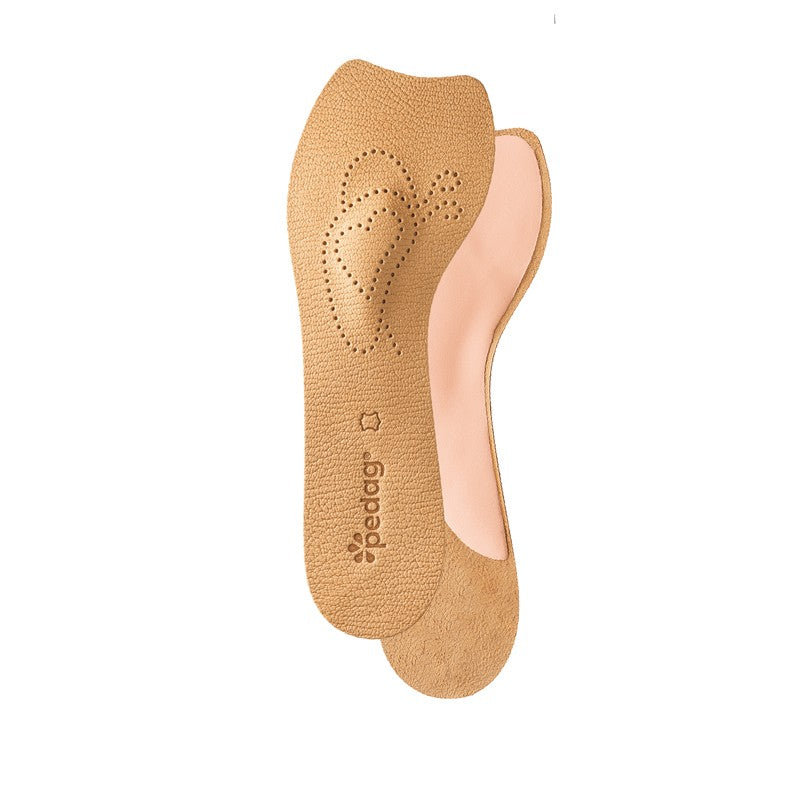
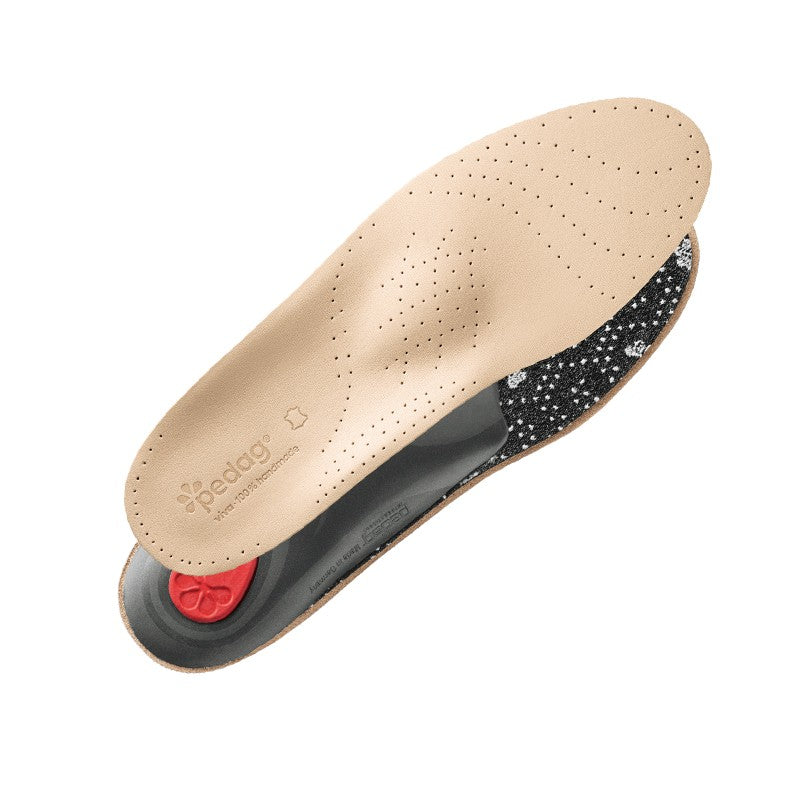
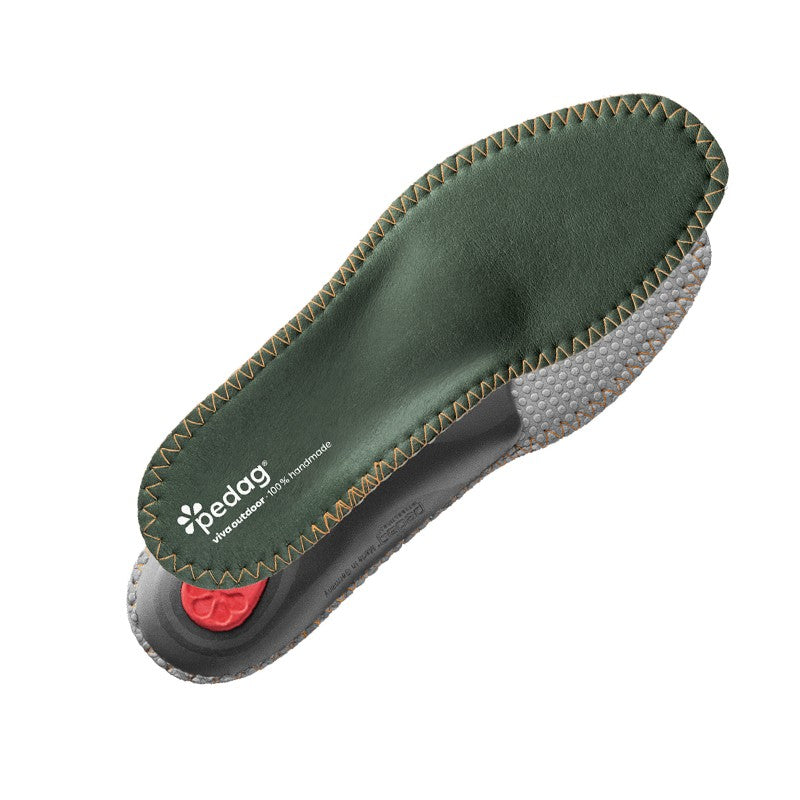
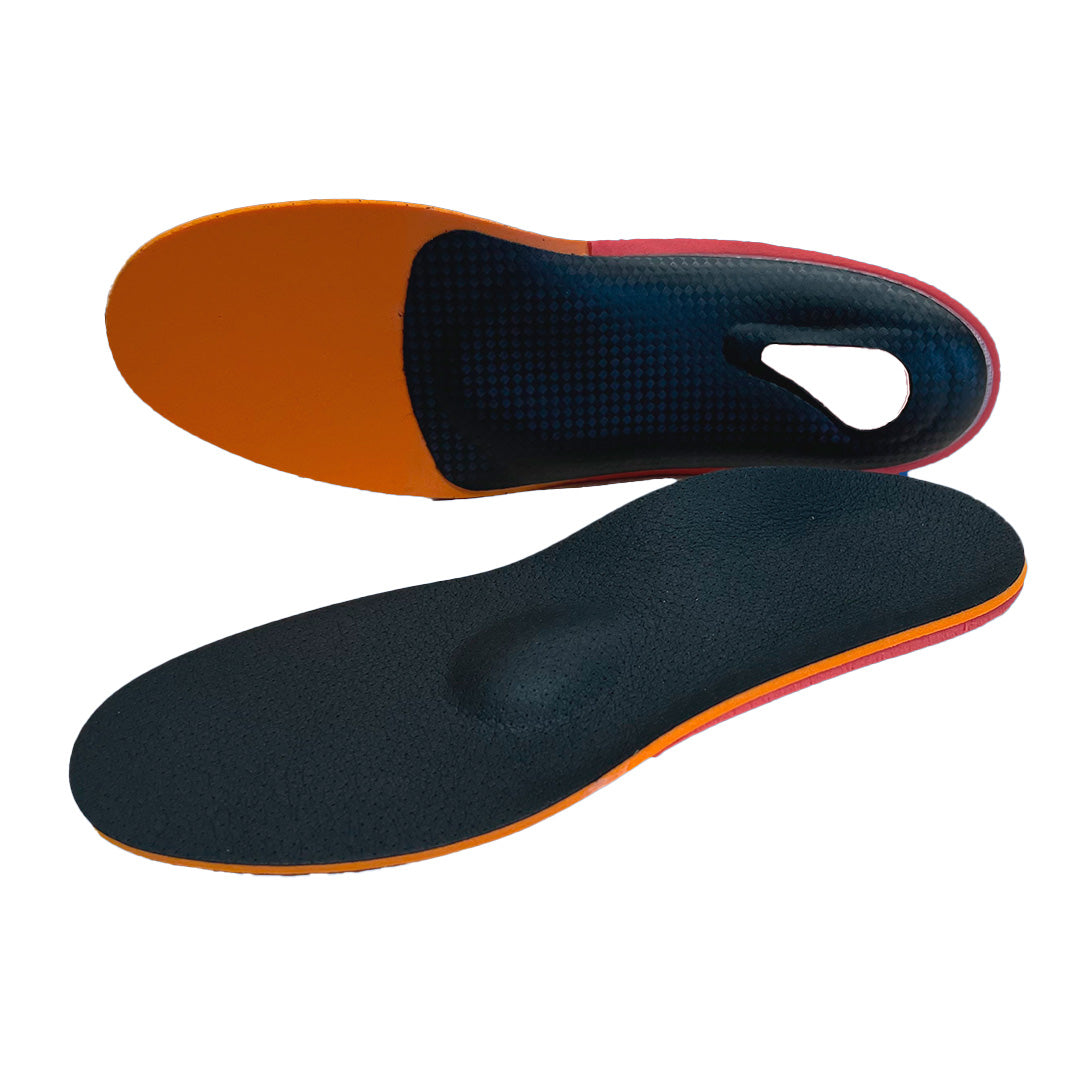


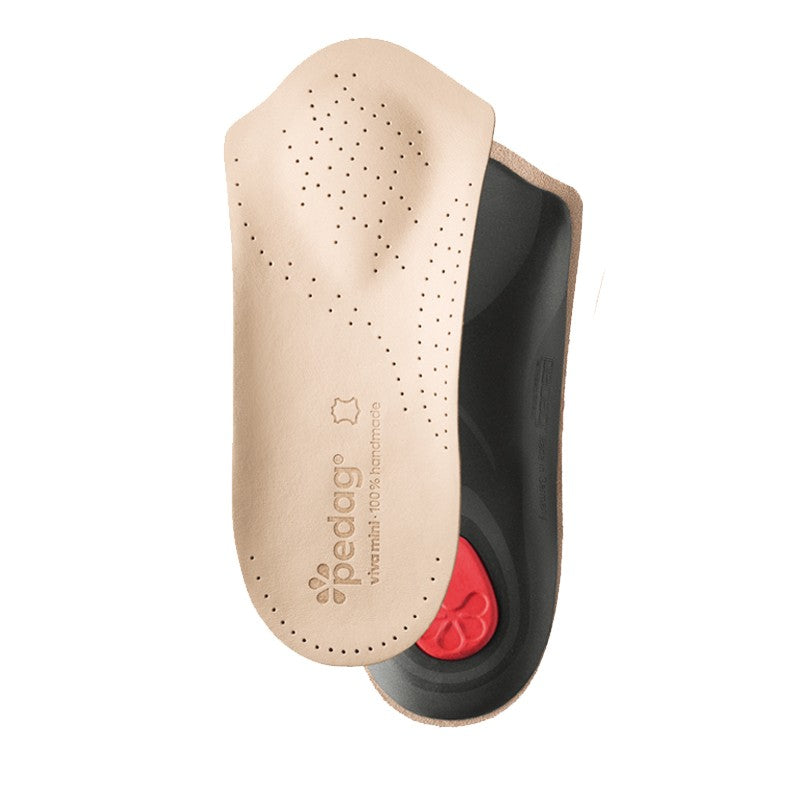

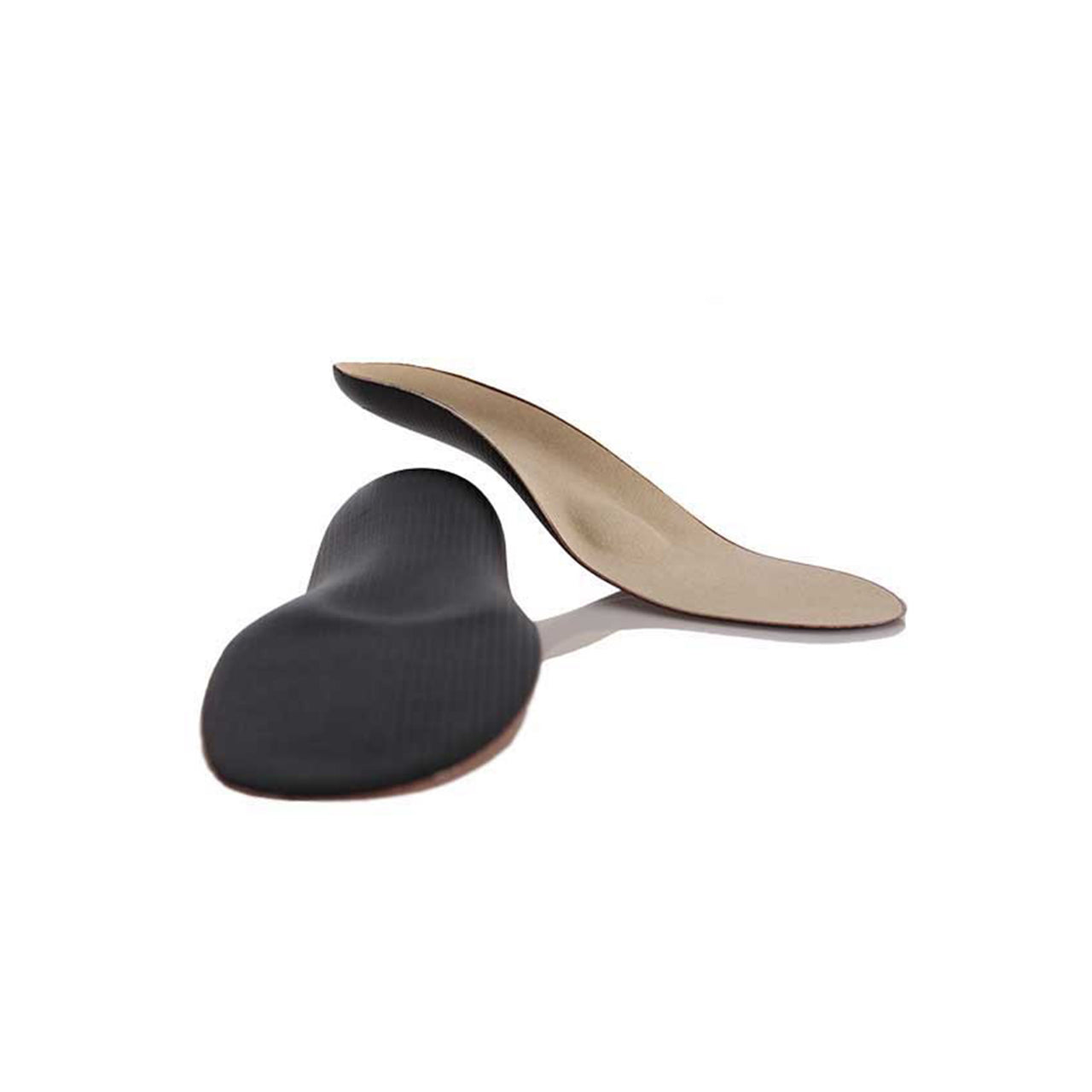
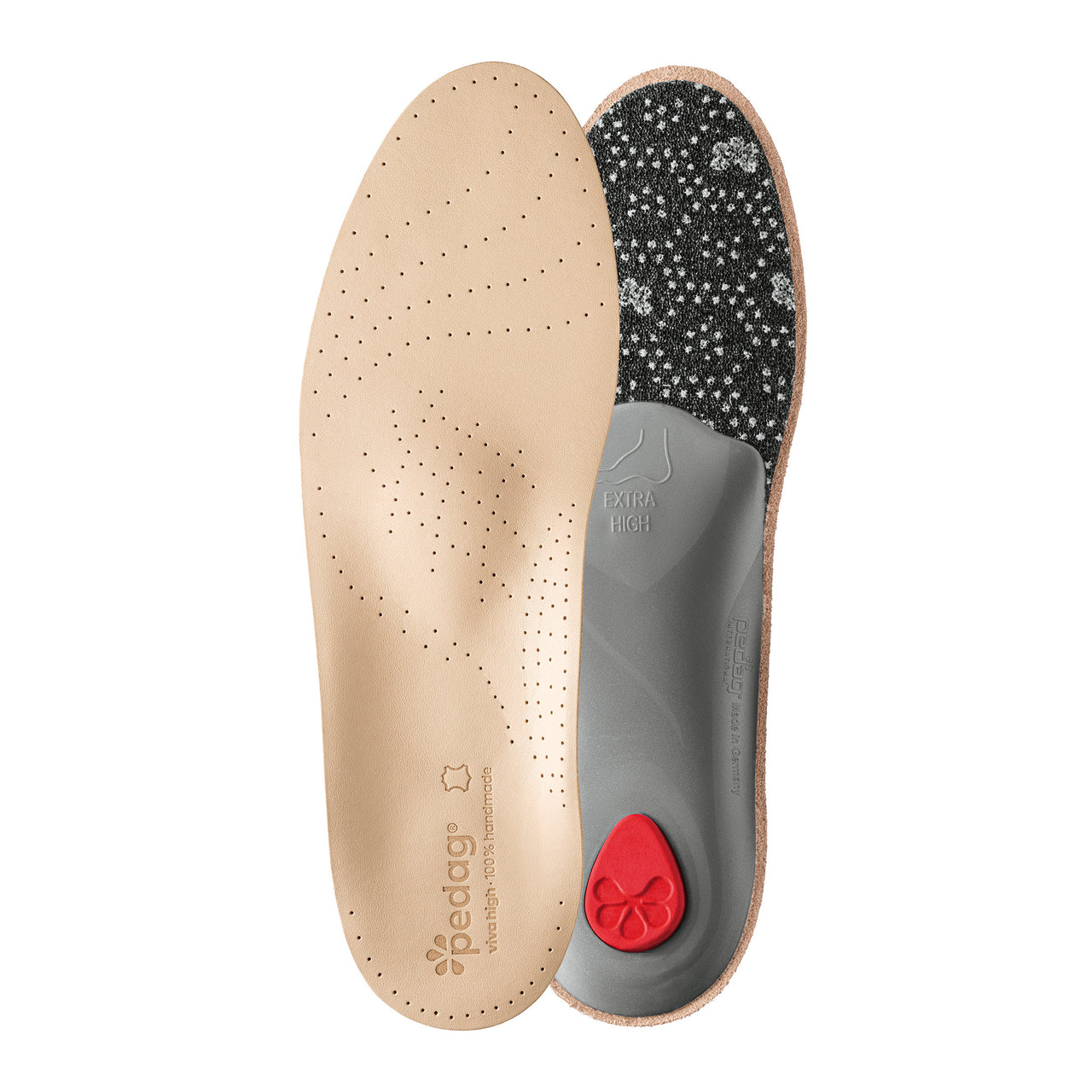
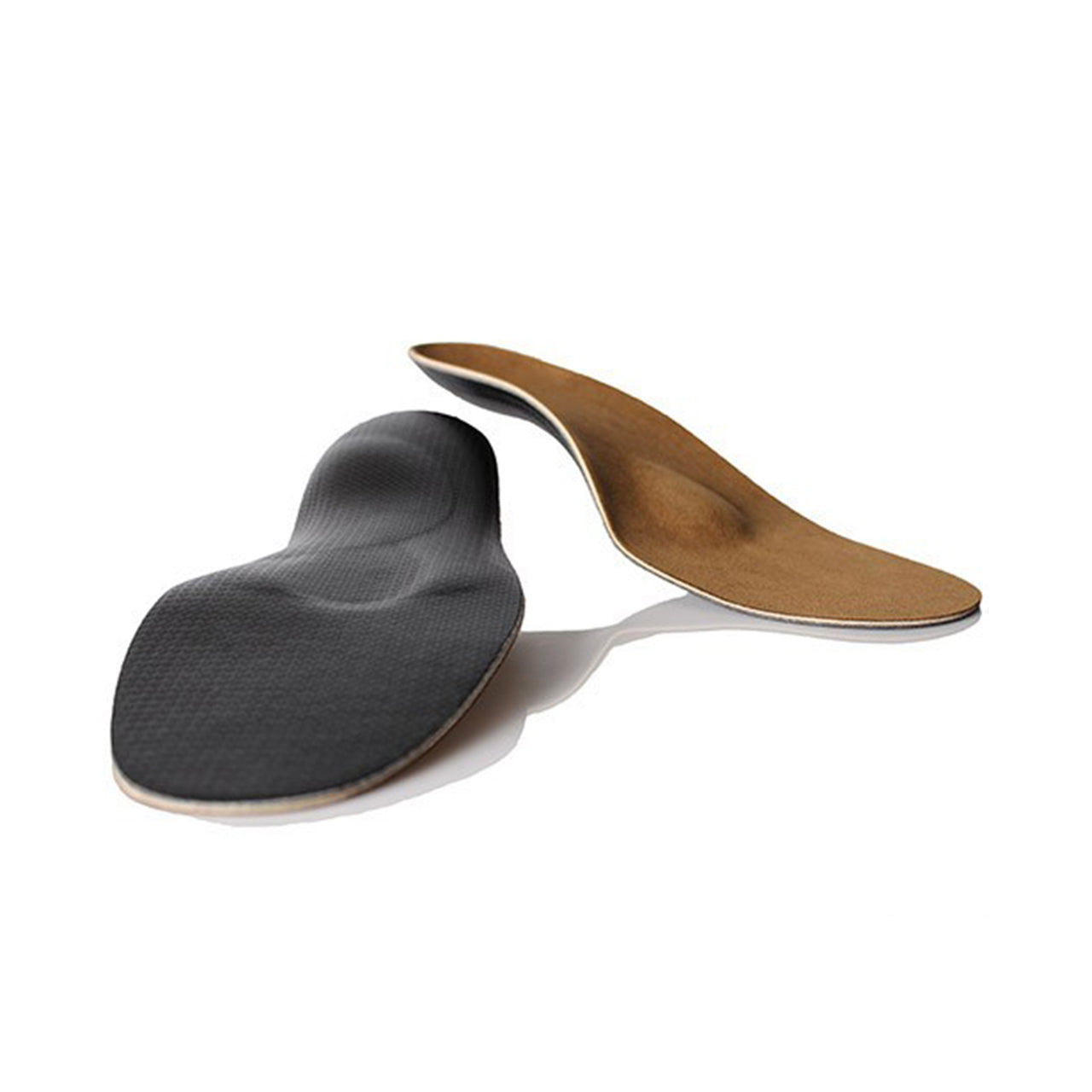
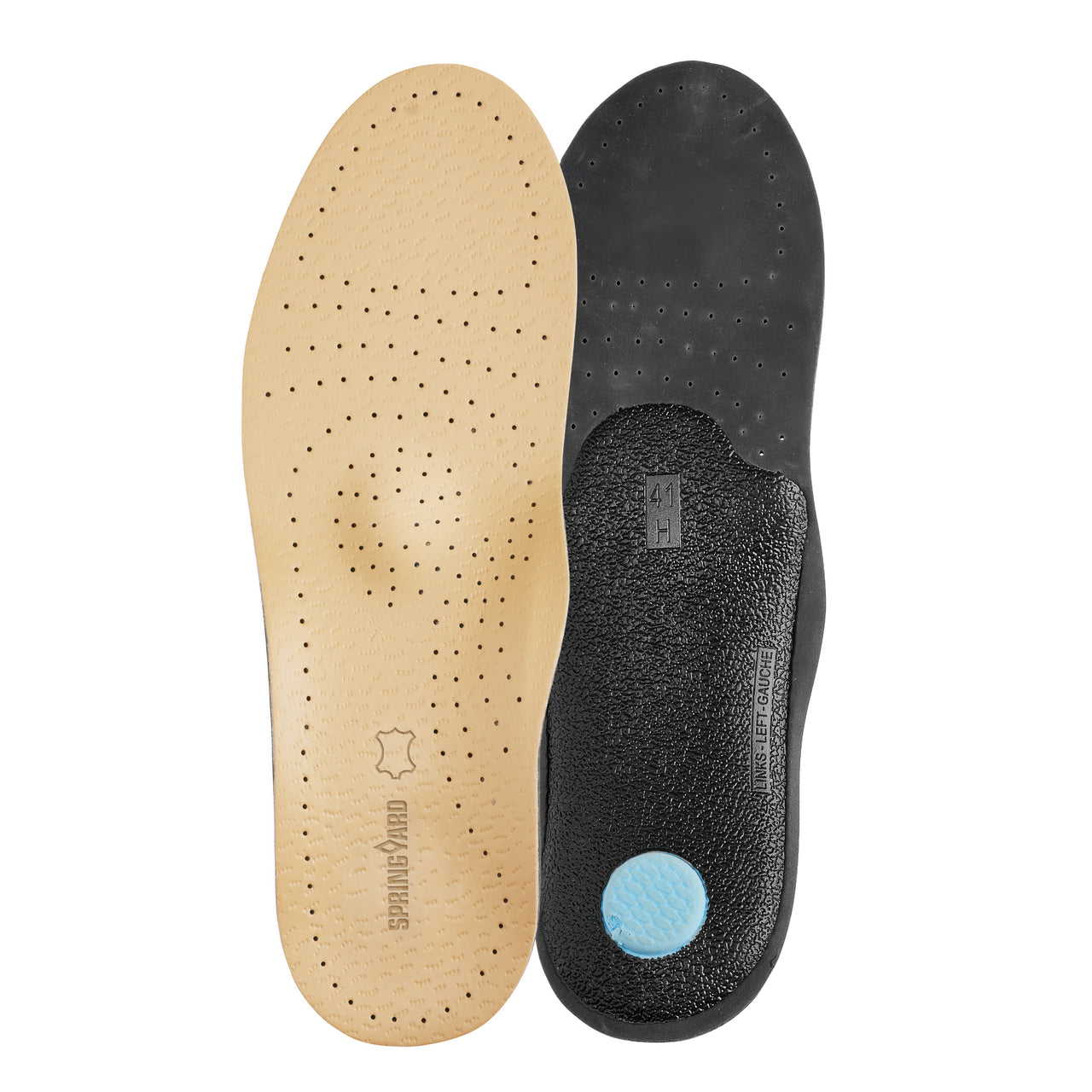
Pelotten-Einlagen verfügen über eine integrierte Erhöhung, die das vordere Fußgewölbe anhebt, sodass der Druck unter dem Fußbett gleichmäßiger verteilt wird. Sie bieten festen Halt bei gesunkenen Vorderfußgewölben, Metatarsalgie und Vorfußinsuffizienz und können Beschwerden wie Hallux valgus und Hallux rigidus lindern. Im Gegensatz zu losen Pelotten ist die Unterstützung bereits in der Sohle integriert, was bedeutet, dass sie nicht verrutschen kann und die Belastung gleichmäßig über die gesamte Einlage verteilt wird. Einige Modelle passen zu Sneakers, Büroschuhen und sogar zu hohen Schuhen, wobei eine schmalere Sohle oft am angenehmsten ist. Wenn die Pelotte an der richtigen Stelle sitzt, wird das brennende Gefühl unter dem Fußbett verringert, die Nerven zwischen den Zehen werden entlastet und die Zehen haben Platz, sich zu spreizen, ohne dass die Schuhe eng werden.
Beginnen Sie damit, den Schuhtyp und die Aktivität zu betrachten. In engen Schuhen oder Schuhen mit Absatz bietet eine Dreiviertelsohle Platz im Zehenbereich, während eine volle Sohle in der Regel eine bessere Dämpfung bei längeren Spaziergängen oder Arbeitstagen bietet. T-förmige Pelotten (die von unten wie ein T aussehen) heben das vordere Fußgewölbe deutlich an und erleichtern das Spreizen der Zehen. Viele empfinden tropfenförmige Pelotten als etwas weicher gegen den Ballen. Die Unterstützung sollte sich direkt hinter dem vorderen Ballen befinden, wo das Gewölbe beginnt, niemals direkt unter den Zehengelenken. Ein praktisches Beispiel ist eine Einlage mit integriertem Vorfußstütz. Bei Bedarf nach mehr Stabilität im gesamten Fuß können Sie diese mit anderen Schuh-Einlagen kombinieren, die auf die Aktivität und den Schuh abgestimmt sind.
Geben Sie Ihrem Vorfuß die Unterstützung, die er benötigt, um den Druck zu verringern und einen angenehmeren Schritt zu ermöglichen. Wählen Sie die Pelotten-Einlagen, die zu Ihren Schuhen und Ihrem Alltag passen.