
Fersensporn entsteht häufig, wenn die Sehnenansätze unter dem Fuß stärker belastet werden, als sie vertragen können. Sobald der Schmerz auftritt, kann er leicht wieder aufflammen, wenn Sie Ihre täglichen Gewohnheiten nicht anpassen. Der Schlüssel liegt darin, eine langsame Steigerung der Belastbarkeit mit kleinen Veränderungen zu kombinieren, die den Druck auf die Ferse verringern.
Wenn Sie mehr über Fersensporn, Symptome und zugrunde liegende Ursachen erfahren möchten, empfehlen wir unseren Verletzungsratgeber über Fersensporn.
Warum kommt der Schmerz zurück?
Rückfälle hängen fast immer mit plötzlichen Erhöhungen der Schrittzahl, dem Wechsel zu härteren Oberflächen oder Schuhen, die unzureichende Unterstützung bieten, zusammen. Auch steife Wadenmuskeln und eine straffe Bindegewebsplatte unter dem Fuß können dazu beitragen. Phasen des Stillstehens, Gewichtsschwankungen oder viel Barfußlaufen auf harten Böden machen das Gewebe weniger belastbar. Denken Sie daher an die Ferse als eine Struktur, die am besten mit regelmäßigen, kleinen Bewegungsdosen gedeiht, anstatt mit wenigen, aber starken Spitzen.
Schuhe und Untergründe
Überprüfen Sie zunächst Ihre Schuhe. Sie sollten Folgendes haben:
- Fester Fersenhalt, der den Fuß zentriert
- Geräumige Zehenbox, damit der Vorfuß sich natürlich ausbreiten kann
- Eine Sohle, die sich in der Mitte schwer drehen und biegen lässt
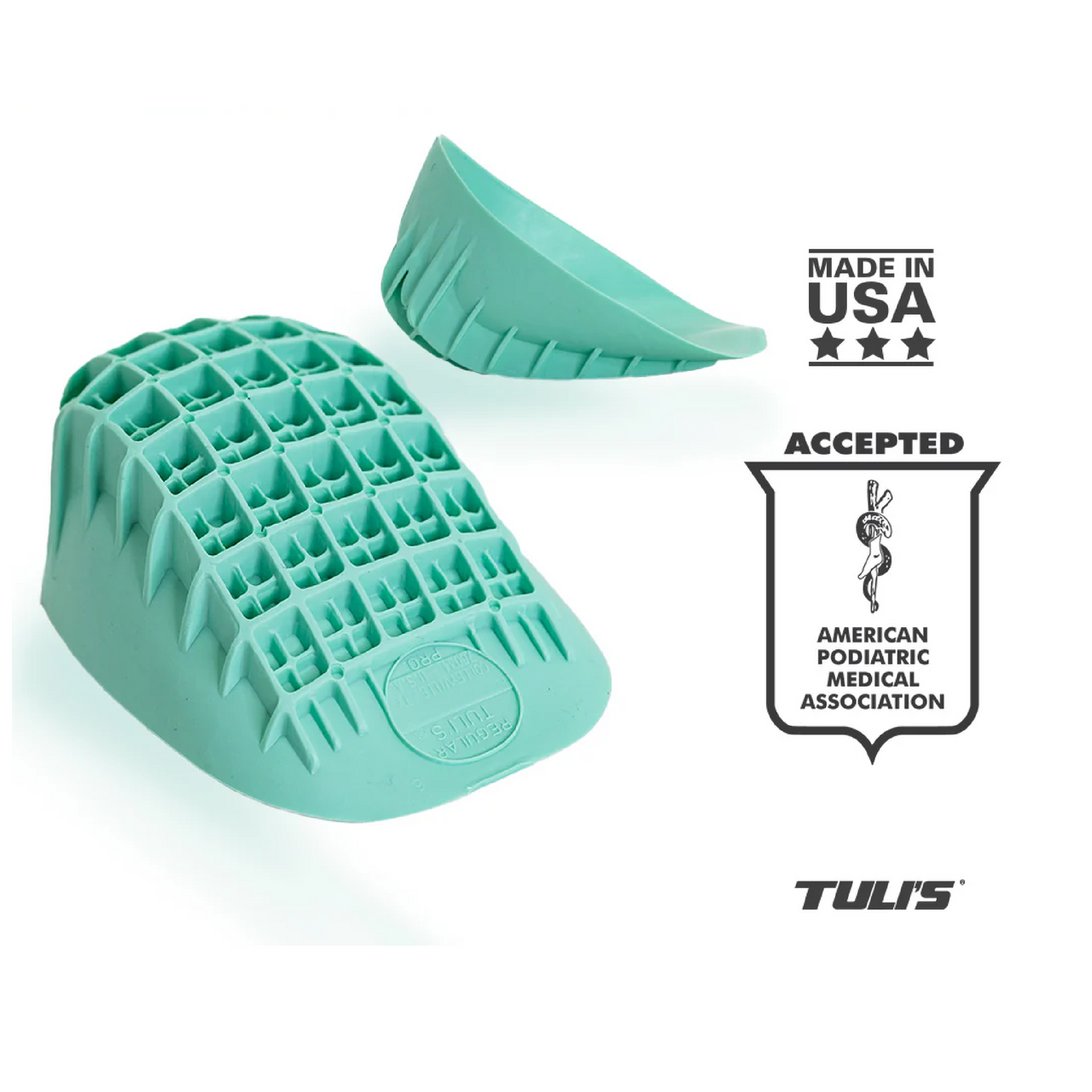
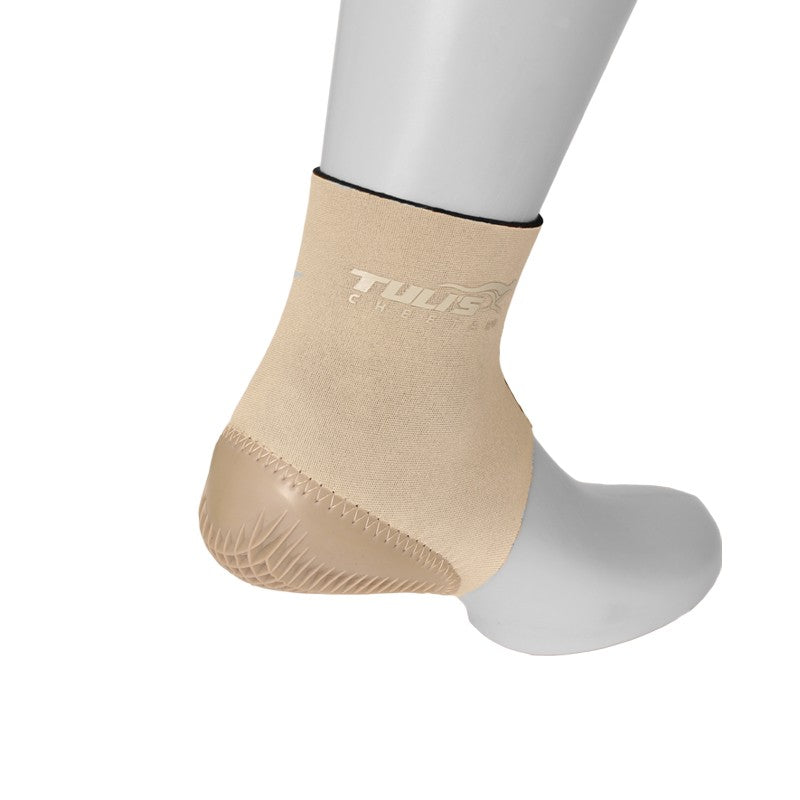
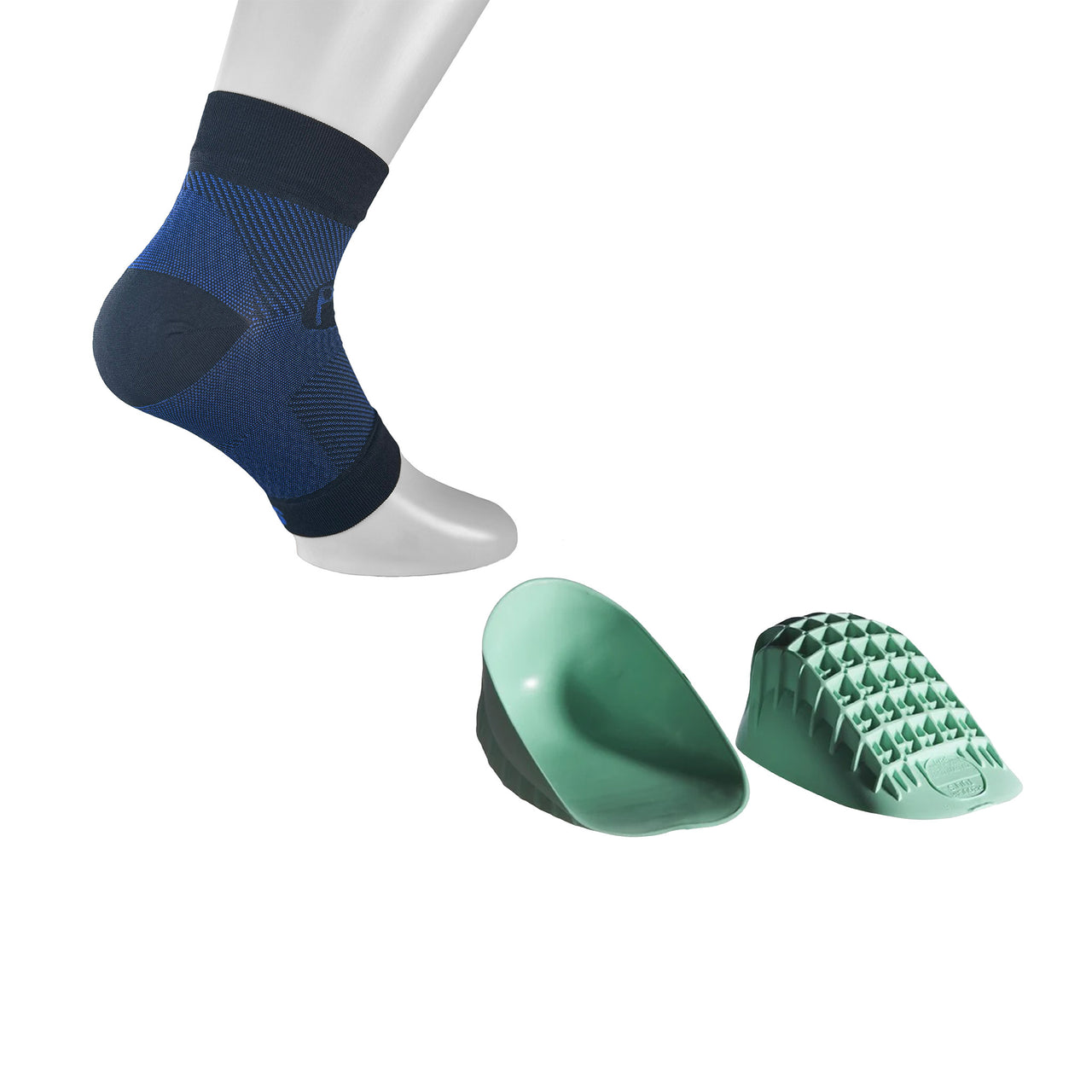
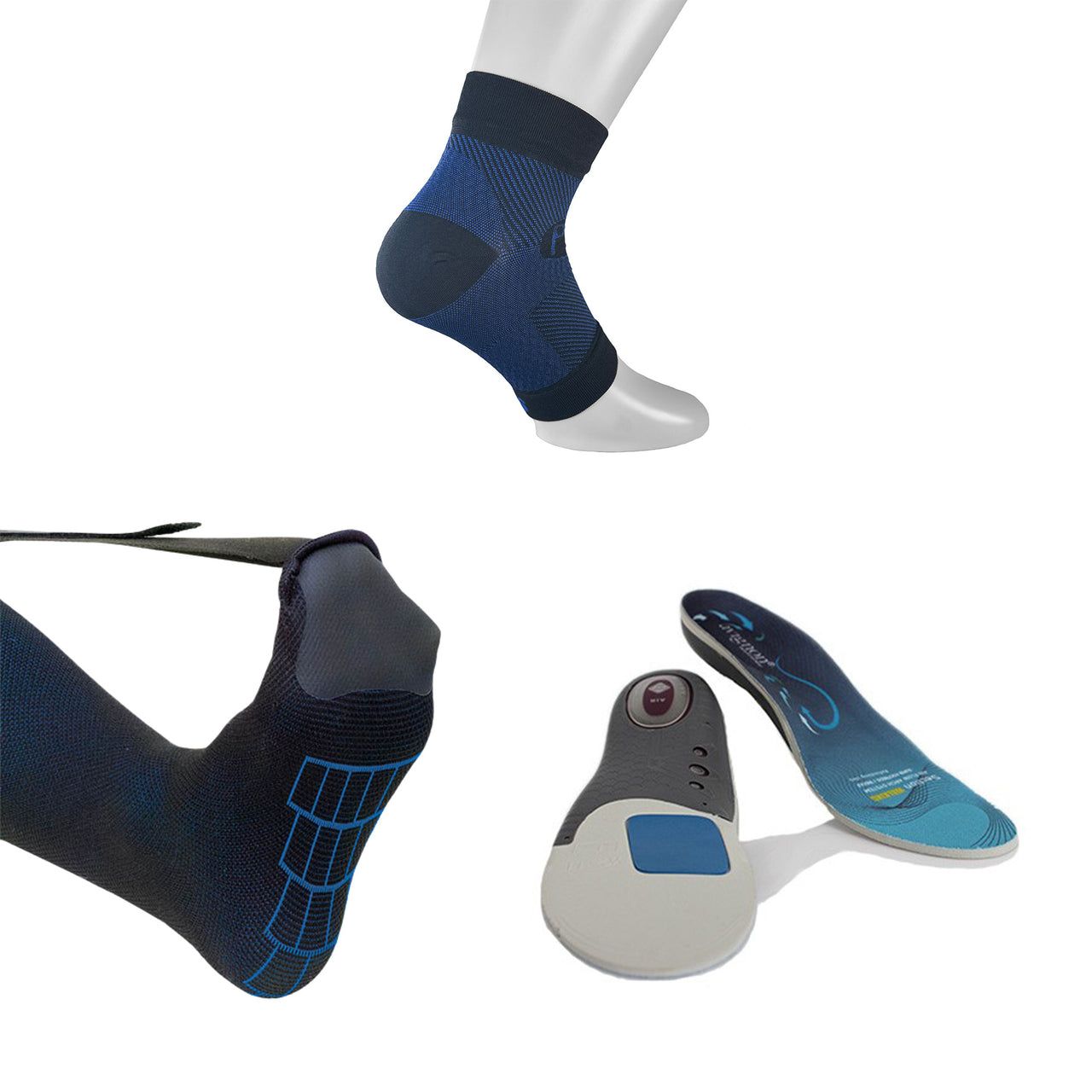
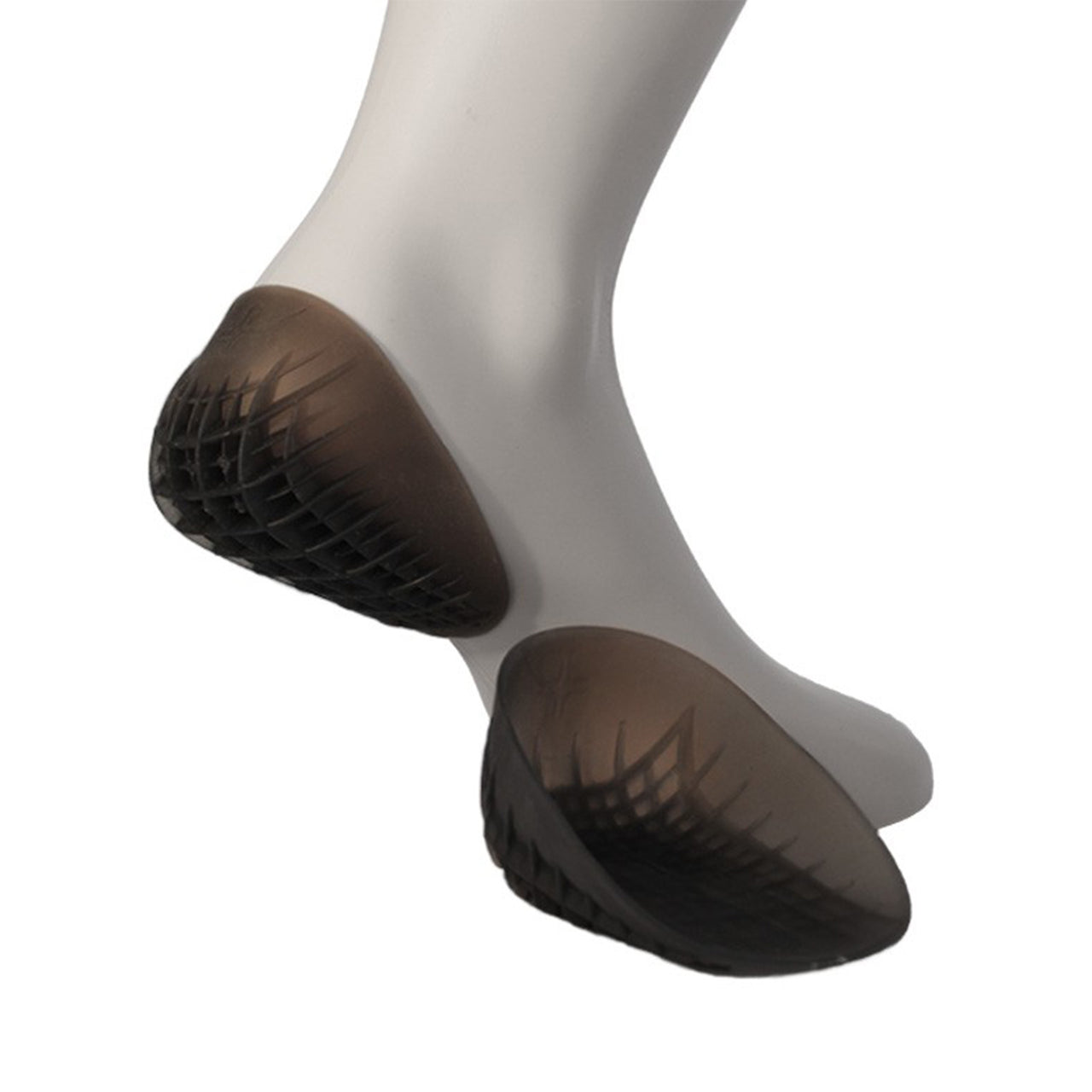
Eine herausnehmbare Einlegesohle erleichtert das Ausprobieren von stoßdämpfenden Einlagen oder einer Fersenschale, die das Fersenpolster unter der Ferse sammelt. Bei wiederkehrenden Problemen können individuell geformte Schuheinlagen eine gleichmäßigere Belastung bieten, insbesondere in Arbeitsschuhen. Ersetzen Sie abgenutzte Schuhe rechtzeitig und wechseln Sie gerne zwischen zwei ähnlichen Paaren, damit das Material Zeit hat, seine Federung zurückzugewinnen. Für längere Spaziergänge wählen Sie Waldwege, Kies oder eine Laufbahn vor Beton und reduzieren Sie die Barfußzeit auf harten Böden, wenn Sie erhöhte Empfindlichkeit bemerken.
Übungen zur Stärkung des Fußes
Es ist besser, kurz und oft zu trainieren, als selten und lange. Das Ziel ist es, die Durchblutung zu erhöhen, das Bindegewebe zu dehnen und die Waden und Fußgewölbe zu stärken, ohne die Ferse zu reizen.
- Legt eine kalte Flasche auf den Boden und rollt sie langsam eine Minute lang unter dem Fuß nach einem langen Tag.
- Dehnen Sie täglich die Waden. Stellen Sie sich mit leicht gebeugtem hinterem Knie gegen eine Wand und drücken Sie die Ferse nach unten. Halten Sie dies 15 bis 30 Sekunden und wiederholen Sie es dreimal.
- Sitzen Sie und dehnen Sie vorsichtig die Zehen mit den Händen, bis sie sich unter dem Fuß ausstrecken.
- Beginnen Sie mit beidbeinigen Wadenheben auf einem flachen Boden. Wenn es stabil ist, wechseln Sie zu Wadenheben auf einem Bein und beenden Sie mit einer langsamen Absenkung von den Zehen auf eine Stufe.
- Sitzen Sie mit dem gesamten Fuß auf dem Boden und ziehen Sie den Ballen zur Ferse, ohne die Zehen zu krümmen.
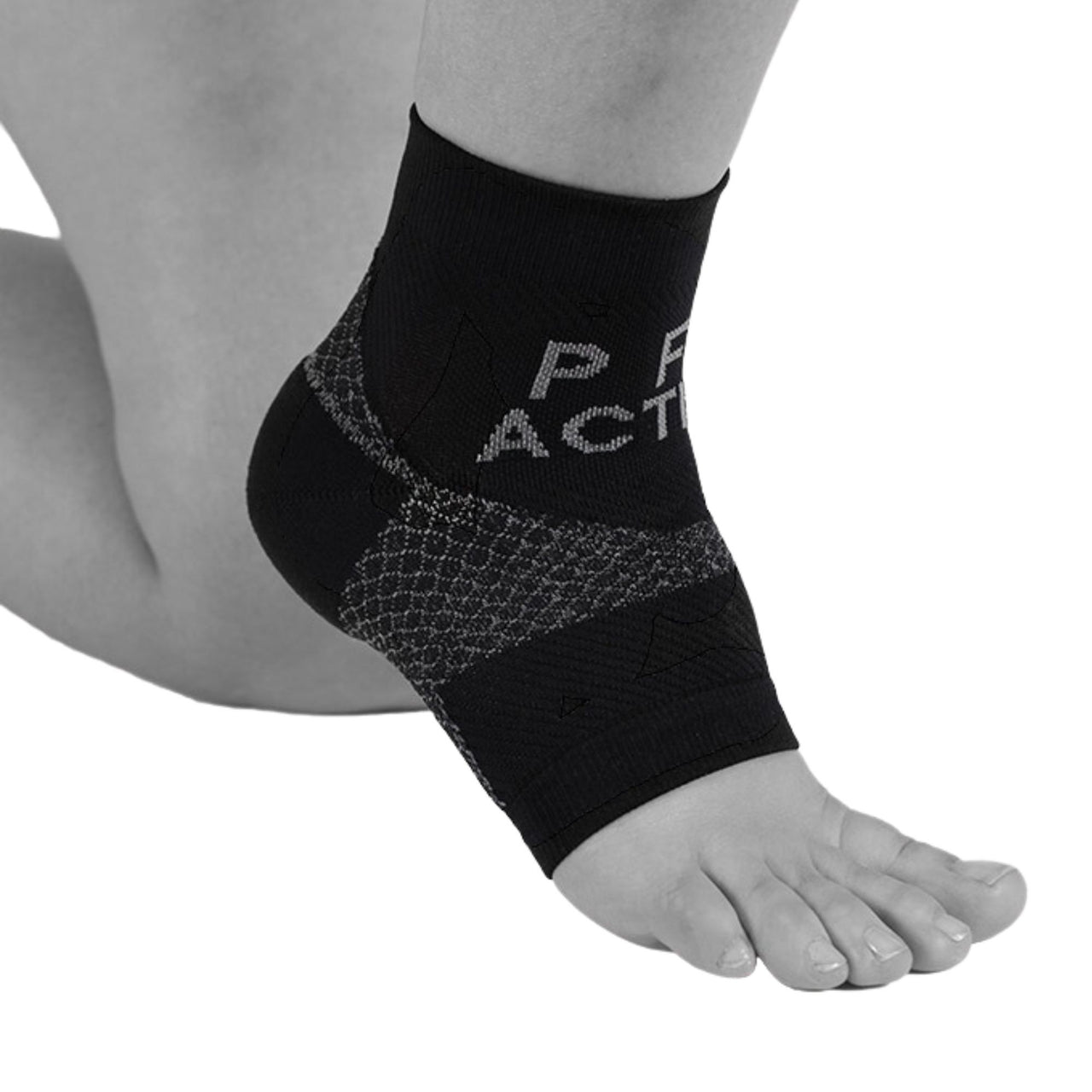
Der Schmerz während oder unmittelbar nach dem Training sollte moderat sein und innerhalb eines Tages abklingen. Wenn er länger anhält, reduzieren Sie die Anzahl der Wiederholungen oder gönnen Sie sich einen zusätzlichen Ruhetag. Bei anhaltenden Beschwerden kann ein Physiotherapeut die Dosierung anpassen oder mit Tapen ergänzen.
Sehen Sie sich unsere Produkte für Fersensporn an
Der Weg zurück zum Gehen und Laufen
Erhöhen Sie die Distanz schrittweise. Warten Sie mit dem Laufen, bis Sie ohne Schmerzen im normalen Tempo gehen können. Wenn das Gehen im Alltag funktioniert, beginnen Sie mit kurzen Laufsequenzen, zum Beispiel einer Minute Joggen, gefolgt von zwei Minuten Gehen. Bewerten Sie den nächsten Tag. Reagiert die Ferse gut, verlängern Sie die Gesamtzeit um etwa zehn Prozent pro Woche, nicht mehr. Während der Steigerung sind Radfahren oder Schwimmen eine sanfte Alternative für die Fitness. Wärmen Sie sich vor einer Einheit auf hartem Boden mit ein paar Minuten zügigem Gehen und einer sanften Waden-Dehnung auf, um die Startempfindlichkeit zu verringern.
Wenn Sie mehr über die Symptome, Ursachen und Behandlungen von Fersensporn erfahren möchten, empfehlen wir unseren Verletzungsratgeber über Fersensporn.
Wenn Sie Hilfe bei der Auswahl des richtigen Produkts basierend auf Ihren Beschwerden benötigen, können Sie sich jederzeit an unseren Physiotherapeuten für persönliche Beratung wenden.