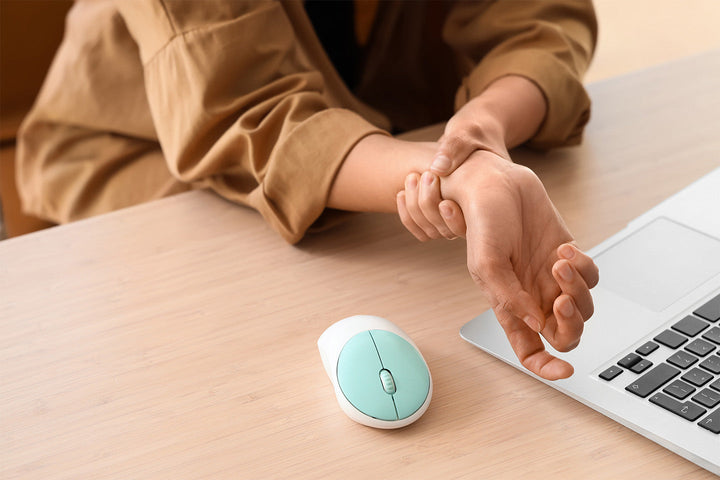

Tennisarm, oder laterale Epicondylitis, ist ein häufiges schmerzhaftes Zustand, das die Sehnenansätze an der Außenseite des Ellenbogens betrifft. Die Erkrankung wird meist durch Überlastung der Streckmuskeln des Handgelenk verursacht und entwickelt sich normalerweise schrittweise über die Zeit.
Was ist Tennisarm?
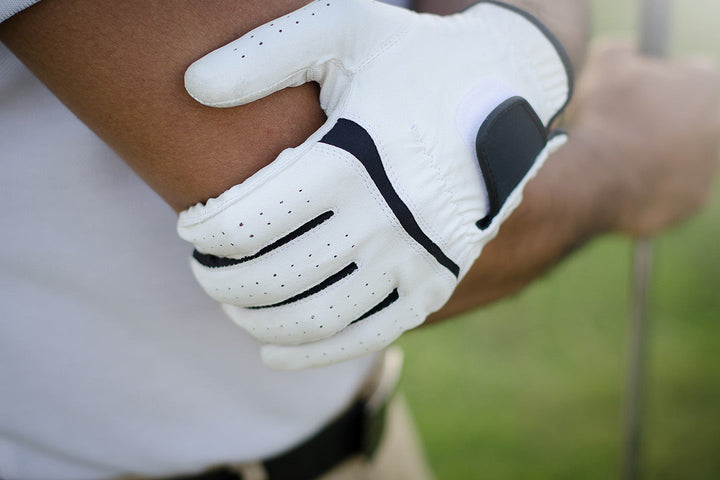
Der Tennisellenbogen ist eine Überlastungsverletzung des Sehnenansatzes an der Außenseite des Ellenbogens. Die Schmerzen treten am äußeren Knochenvorsprung des Ellenbogens, dem sogenannten lateralen Epikondylus, auf, an dem die Handgelenkstreckmuskulatur ansetzt.
Wird der Sehnenansatz wiederholt belastet, können kleine Mikroschäden in der Sehne entstehen. Dies kann zu Schmerzen, Druckempfindlichkeit und verminderter Kraft in Hand, Handgelenk und Unterarm führen.
Trotz seines Namens betrifft diese Erkrankung nicht nur Tennisspieler. Ein Tennisellenbogen tritt häufig bei Menschen auf, die wiederholte Bewegungen mit Hand und Handgelenk ausführen, beispielsweise bei handwerklichen Tätigkeiten, Computerarbeit oder anderen Aktivitäten mit wiederkehrender Belastung.
Häufige Ursachen & Risikofaktoren
Tennisarm wird hauptsächlich durch wiederholte und einseitige Bewegungen in Hand und Handgelenk verursacht. Aktivitäten wie Rückschlagsportarten, Arbeiten mit Werkzeugen oder langandauernde Computerarbeit können wiederholte Belastungen auf den Sehnenansatz erzeugen.
Das Risiko steigt bei längeren Belastungsphasen ohne ausreichende Erholung. Die Erkrankung tritt am häufigsten zwischen 30 und 50 Jahren auf und kommt etwas häufiger bei Personen über 40 vor.
Symptome
- Lokale Schmerzen an der Außenseite des Ellenbogens
- Schmerzen, die sich bei Beugung oder Streckung des Handgelenks gegen Widerstand verschlimmern
- Schwäche oder Kraftlosigkeit in der Hand
- Schmerzen bei drehenden Bewegungen, wie beim Öffnen einer Dose oder Drehen eines Schlüssels
- Druckempfindlichkeit, Steifheit und manchmal Rötung oder Wärme im Bereich
Die Symptome des Tennisarms treten oft in Situationen auf, in denen die Muskeln des Unterarms belastet werden.
Wann tut der Tennisarm am meisten weh?
Die Schmerzen beim Tennisarm treten oft in Situationen auf, in denen das Handgelenk oder der Unterarm gegen Widerstand arbeitet.
Beim Heben mit der Hand
Das Heben von Gegenständen mit gestrecktem Arm kann Zug auf den Sehnenansatz an der Außenseite des Ellenbogens erzeugen.
Beim Greifen von Gegenständen
Greifbewegungen wie das Halten von Werkzeugen oder das Tragen von Taschen können die Schmerzen verschlimmern.
Bei drehenden Bewegungen
Bewegungen wie das Öffnen von Dosen oder das Drehen eines Schlüssels können die Beschwerden hervorrufen.
Bei wiederholter Arbeit
Wiederholte Bewegungen in Hand und Handgelenk können die Schmerzen allmählich erhöhen.
Wann sollten Sie medizinische Hilfe suchen?
Suchen Sie medizinische Hilfe, wenn sich Ihre Symptome innerhalb weniger Wochen trotz Schonung nicht verbessern. Dies gilt auch, wenn Sie eine deutliche Schwäche in der Hand verspüren oder wenn die Schmerzen Ihre Fähigkeit beeinträchtigen, alltägliche Aktivitäten auszuführen.
Empfohlene Schutz- & Stützmaßnahmen
Bei Tennisarm kann der richtige Schutz und die Entlastung dazu beitragen, Schmerzen zu reduzieren und die Funktion im Alltag und bei Aktivitäten zu erhöhen.
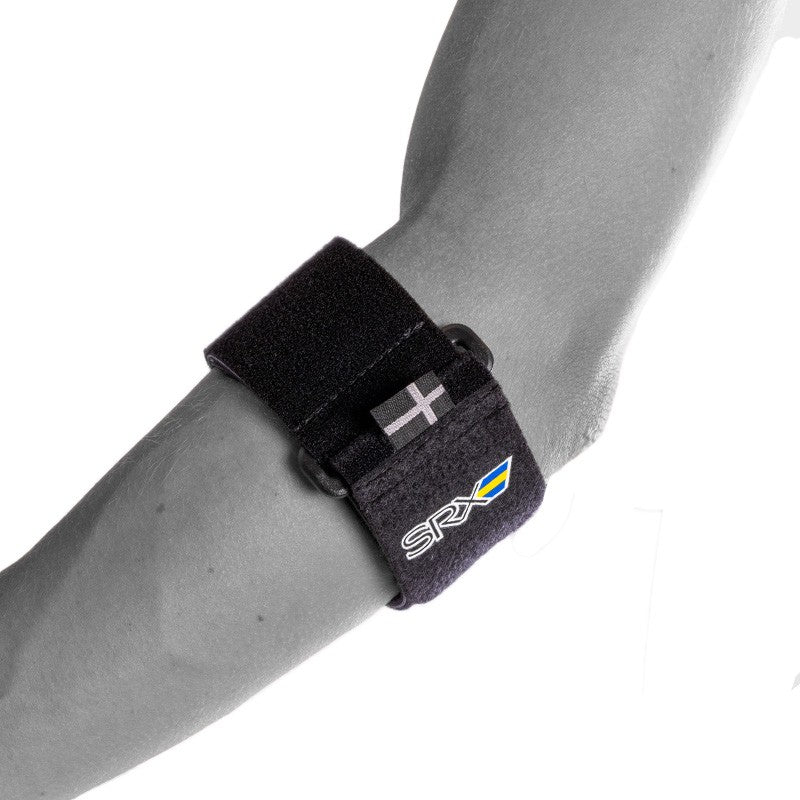
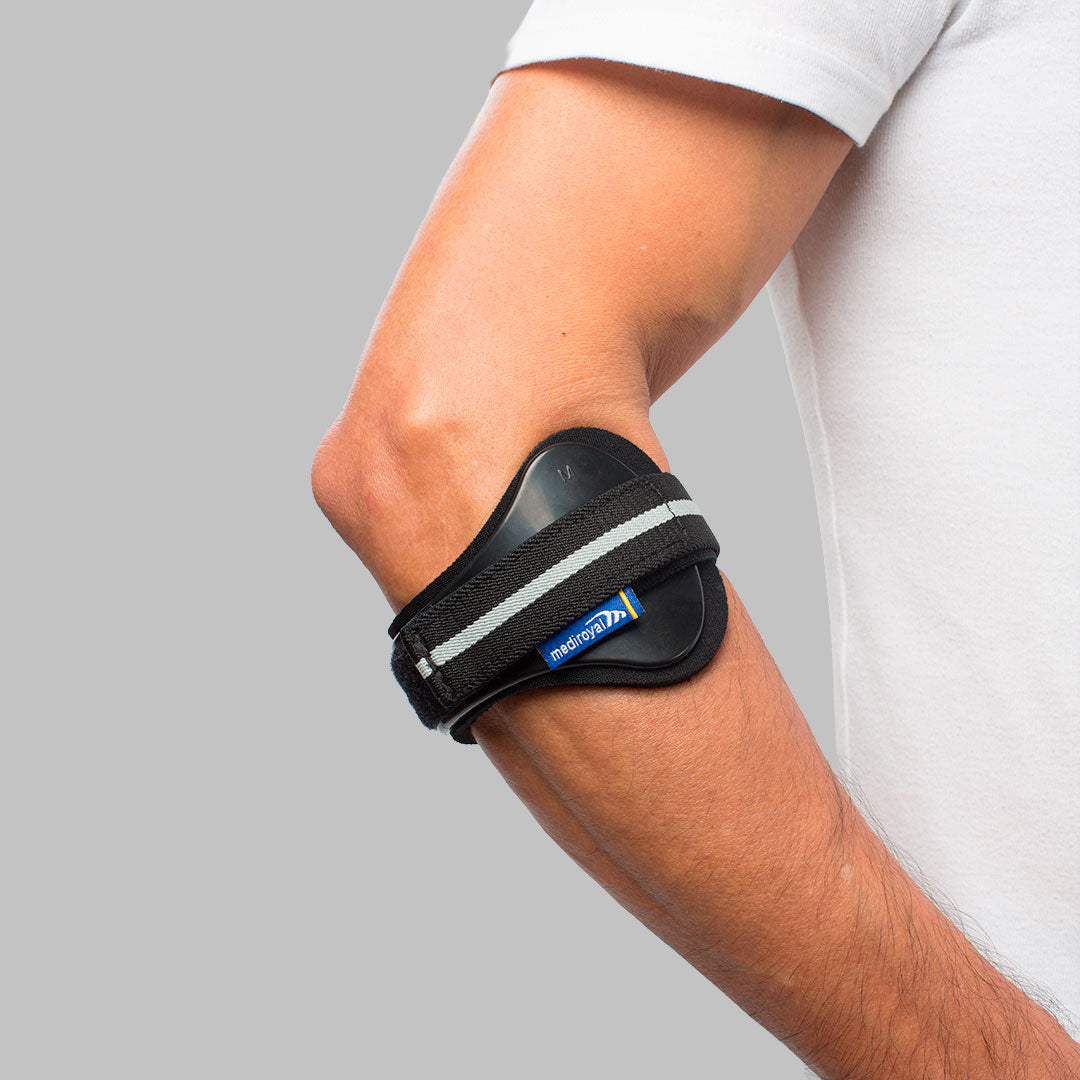
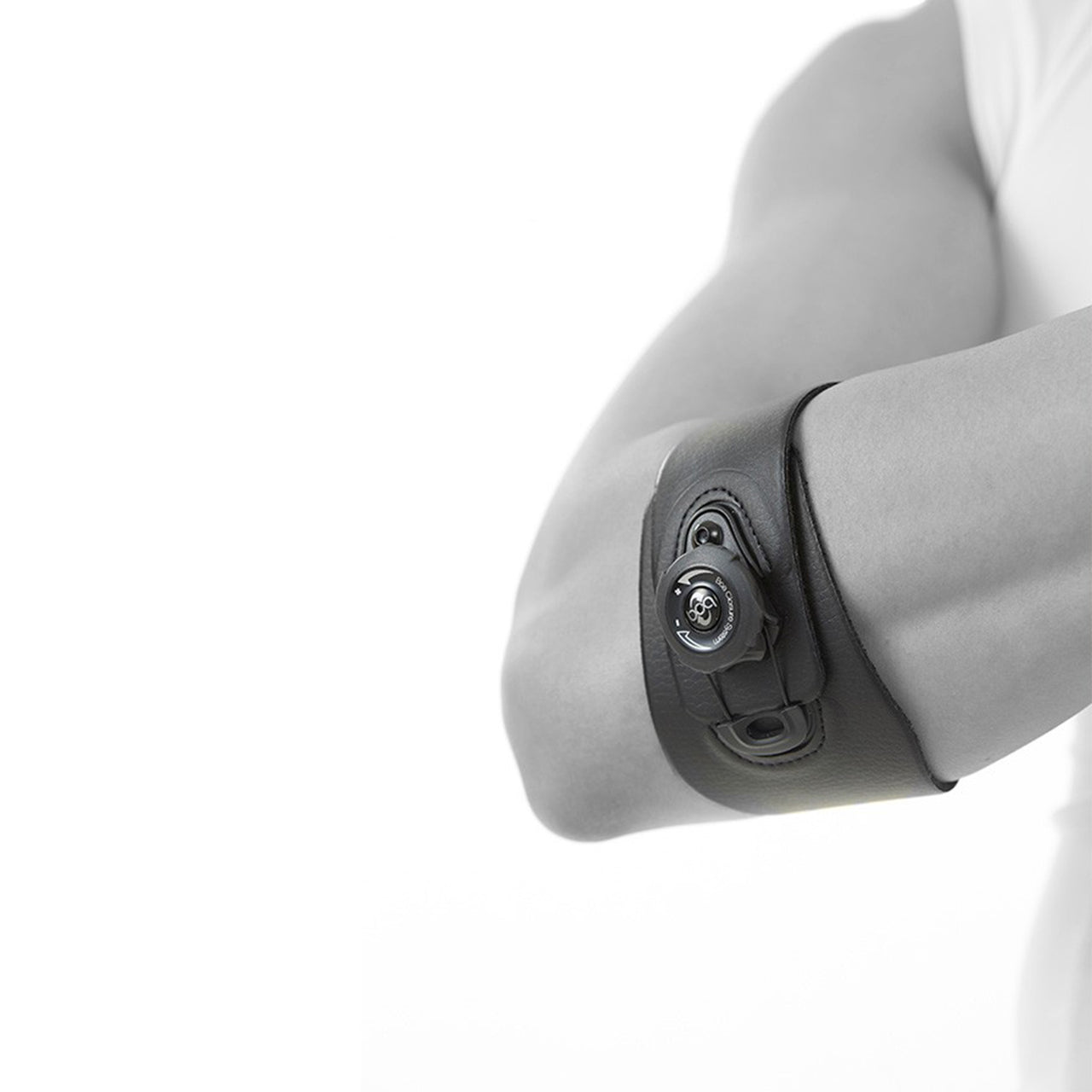
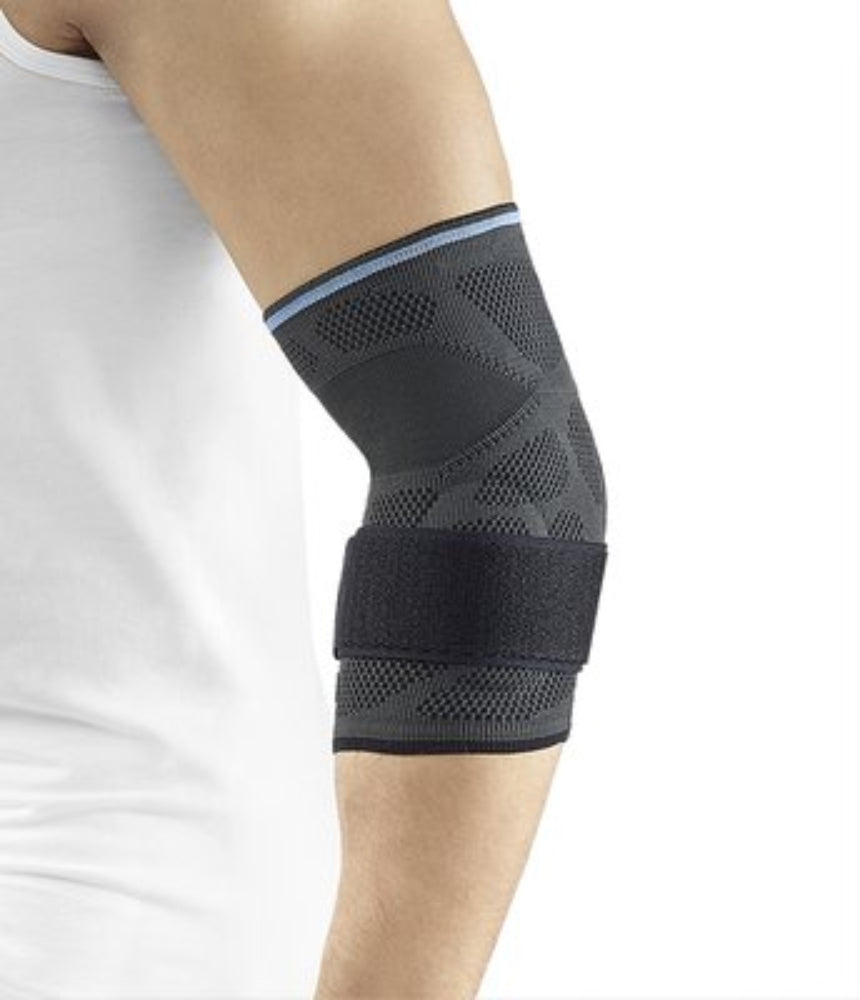
Eine Ellenbogenbandage kann den gereizten Sehnenansatz durch gezielte Kompression über den Unterarm entlasten. Dies kann die Belastung der Sehnen reduzieren und alltägliche Bewegungen besser handhabbar machen.
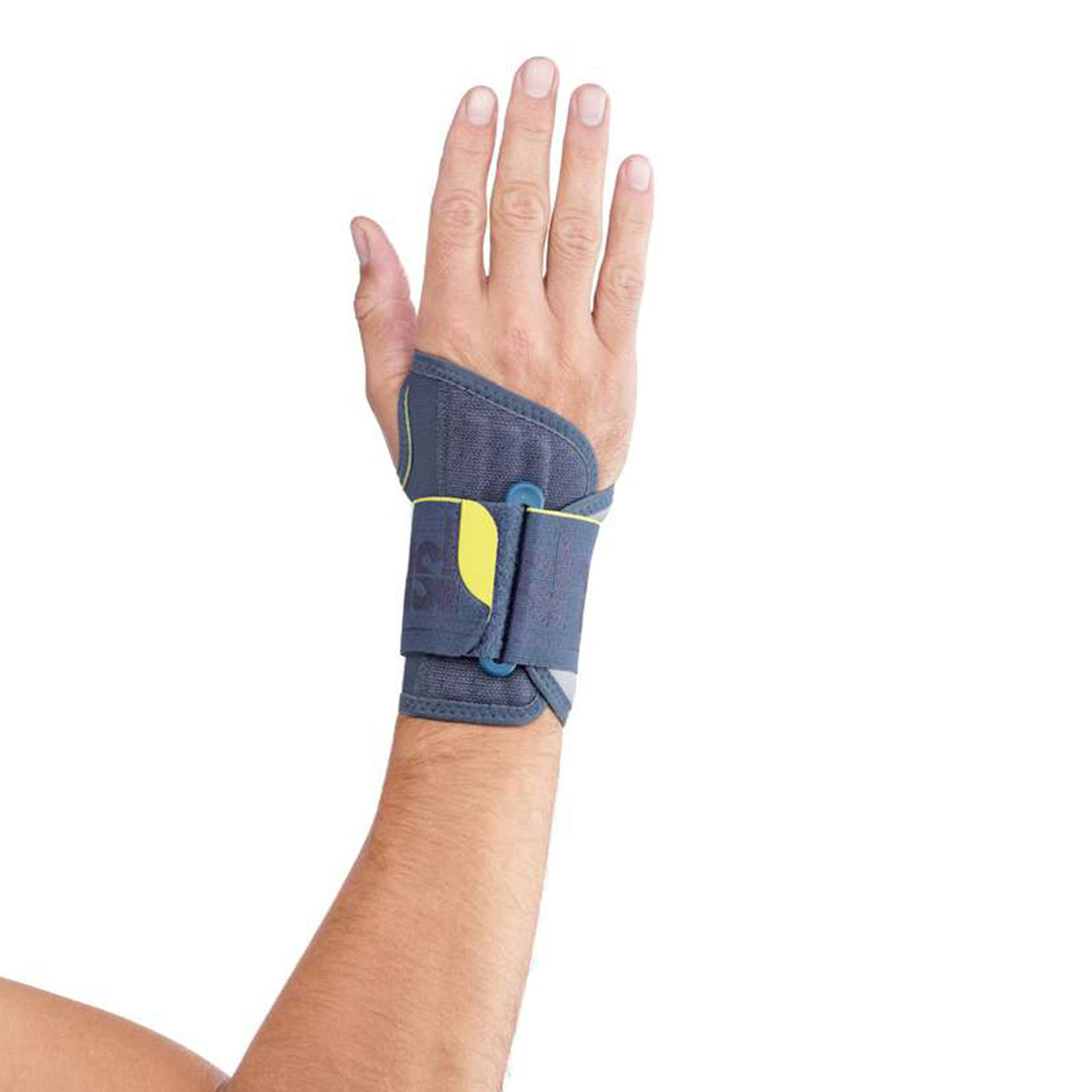
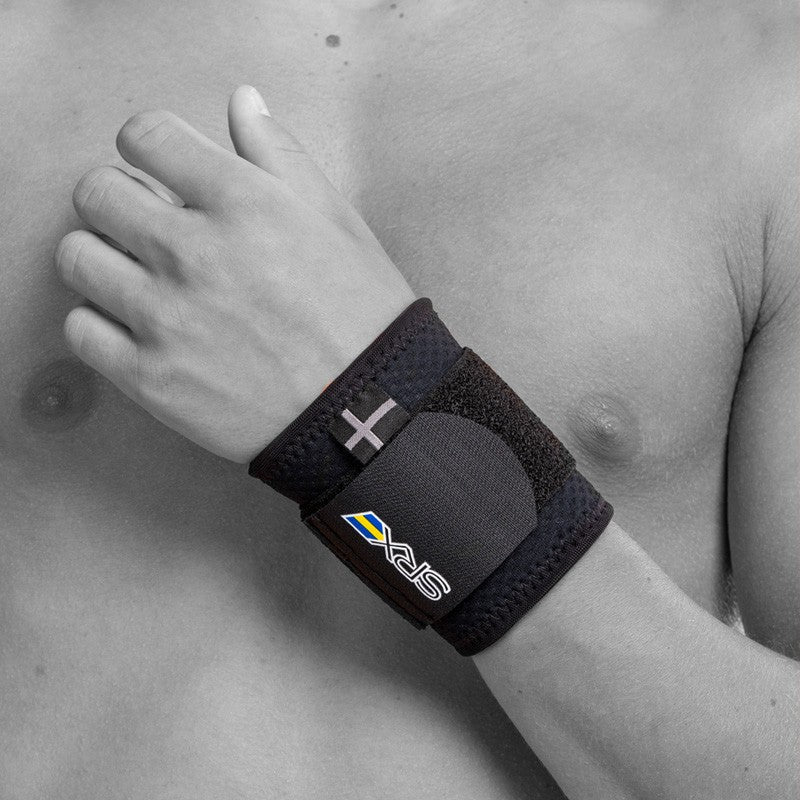
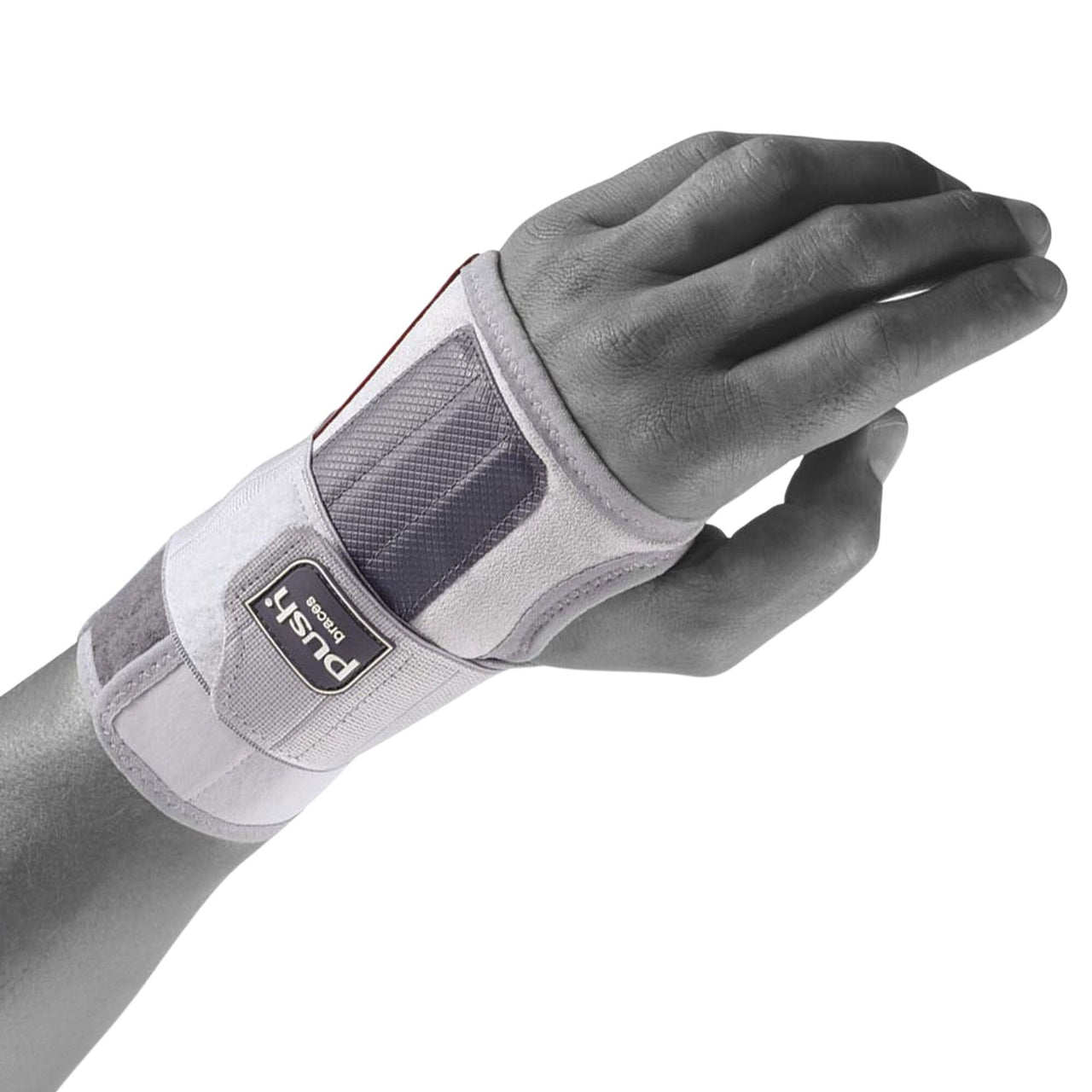
Ein Handgelenkstütze kann in einigen Fällen die Ellenbogenbandage ergänzen, indem sie das Handgelenk in einer entlastenden Position hält. Dehnübungen der Unterarmmuskulatur, ergonomische Anpassungen und variierte Belastungen sind ebenfalls wichtige Maßnahmen zur Linderung von Beschwerden und zur Vorbeugung von Rückfällen.
Alle Bandagen und Stützen ansehen, die bei Tennisarm entlasten können
Verwandte Verletzungen
Für mehr Informationen über Arm- und Ellenbogenprobleme können Sie weiter im Verletzungsratgeber Arm lesen. Sie können auch zur Hauptseite des Verletzungsratgebers gehen, um über andere Verletzungen und Symptome zu lesen.