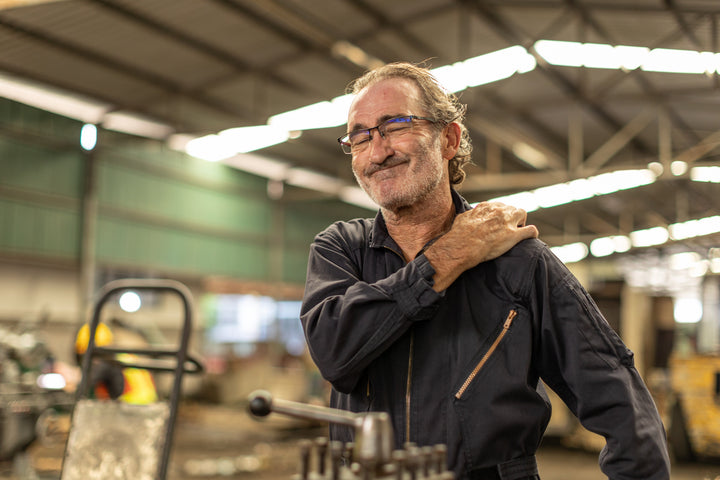

Frozen Shoulder, auch als gefrorene Schulter oder frorenes Schultergelenk bekannt, ist eine relativ häufige Schultererkrankung, die etwa 2–5 Prozent der Bevölkerung betrifft. Der Zustand entwickelt sich allmählich mit Schmerzen und zunehmender Steifheit und kann das tägliche Leben über einen längeren Zeitraum beeinträchtigen, bevor die Beweglichkeit allmählich zurückkehrt. Hier erhalten Sie einen Überblick darüber, was Frozen Shoulder bedeutet, welche Symptome häufig sind, wann Sie medizinische Hilfe suchen sollten und was Sie selbst tun können, um die Beschwerden zu lindern und die Genesung zu unterstützen.
Was ist Frozen Shoulder?
Frozen Shoulder bedeutet, dass die Gelenkkapsel um das Schultergelenk entzündet, verdickt und zusammengezogen wird, was zu Schmerzen, Steifheit und stark eingeschränkter Beweglichkeit führt. Der Zustand entwickelt sich normalerweise in drei Phasen: eine Schmerzphase, eine Steifheitsphase und eine Erholungsphase. Der Verlauf kann langwierig sein und Monate bis Jahre dauern, bis der Zustand heilt.
Häufige Ursachen & Risikofaktoren
Die Ursache ist nicht immer klar, aber die Entzündung der Gelenkkapsel ist zentral. Der Zustand tritt häufiger nach Schulterverletzungen, bei Diabetes oder eingeschränkter Beweglichkeit im Arm auf. Er ist am häufigsten zwischen 40 und 60 Jahren und betrifft mehr Frauen als Männer. Oft treten die Beschwerden schleichend ohne klaren Auslöser auf.
Symptome
Die Symptome beginnen oft mit Schmerzen tief in der Schulter, insbesondere bei Bewegungen in extremer Position. Nachtschmerzen sind häufig. Nach einer Weile wird das Gelenk zunehmend steifer, und alltägliche Bewegungen wie das Anziehen einer Jacke, das Heben eines Arms oder das Erreichen hinter den Rücken können schwierig werden. Während der Erholungsphase lassen die Schmerzen nach und die Beweglichkeit verbessert sich allmählich.
Wann sollten Sie medizinische Hilfe suchen?
Suchen Sie medizinische Hilfe, wenn Sie Schmerzen oder Steifheit in der Schulter haben, insbesondere wenn dies länger als vierzehn Tage anhält. Eine frühzeitige Kontaktaufnahme mit beispielsweise einem Gesundheitszentrum oder Physiotherapeuten wird empfohlen, um eine Diagnose zu erhalten, Schmerzen zu lindern und zu verhindern, dass sich der Zustand verschlechtert.
Empfohlene Schutz- & Unterstützungsmaßnahmen
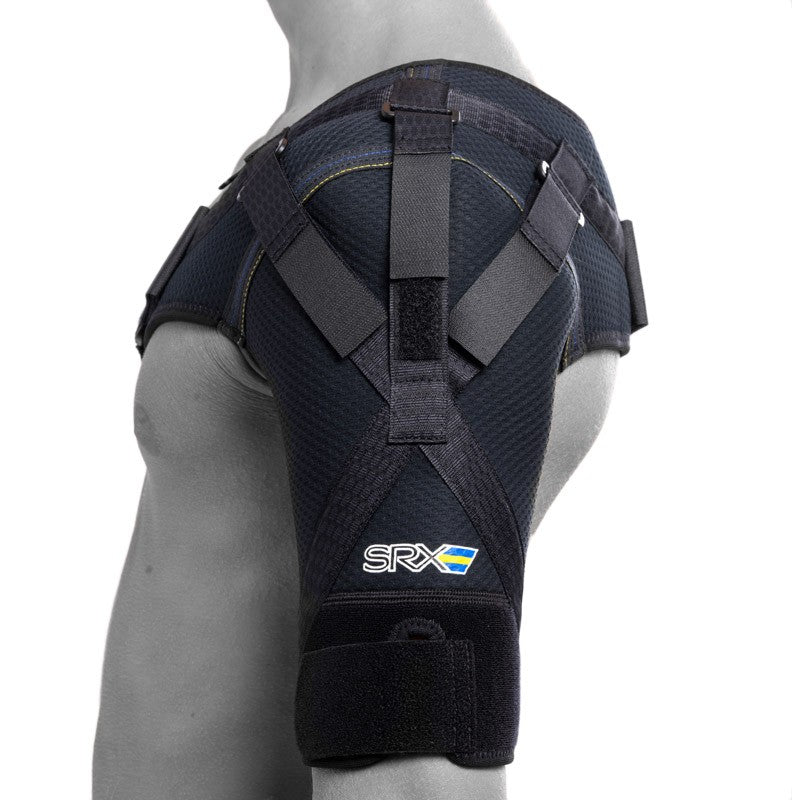
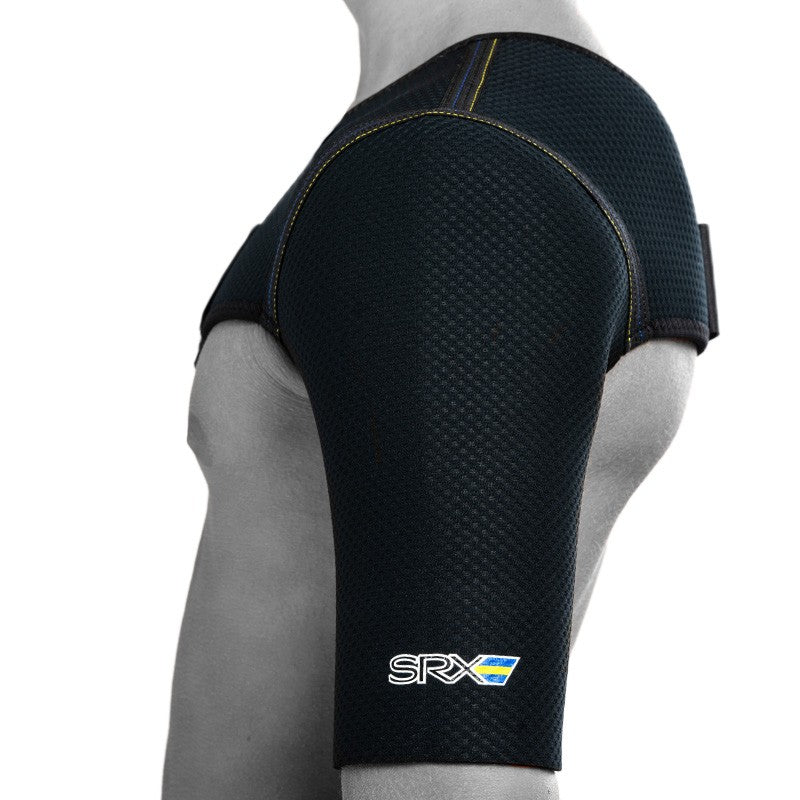
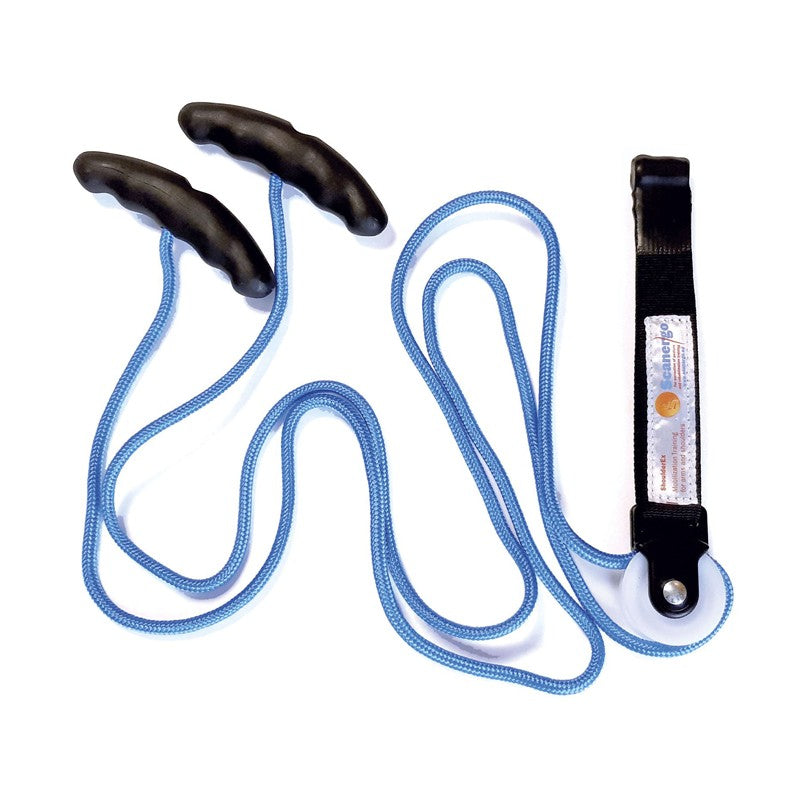
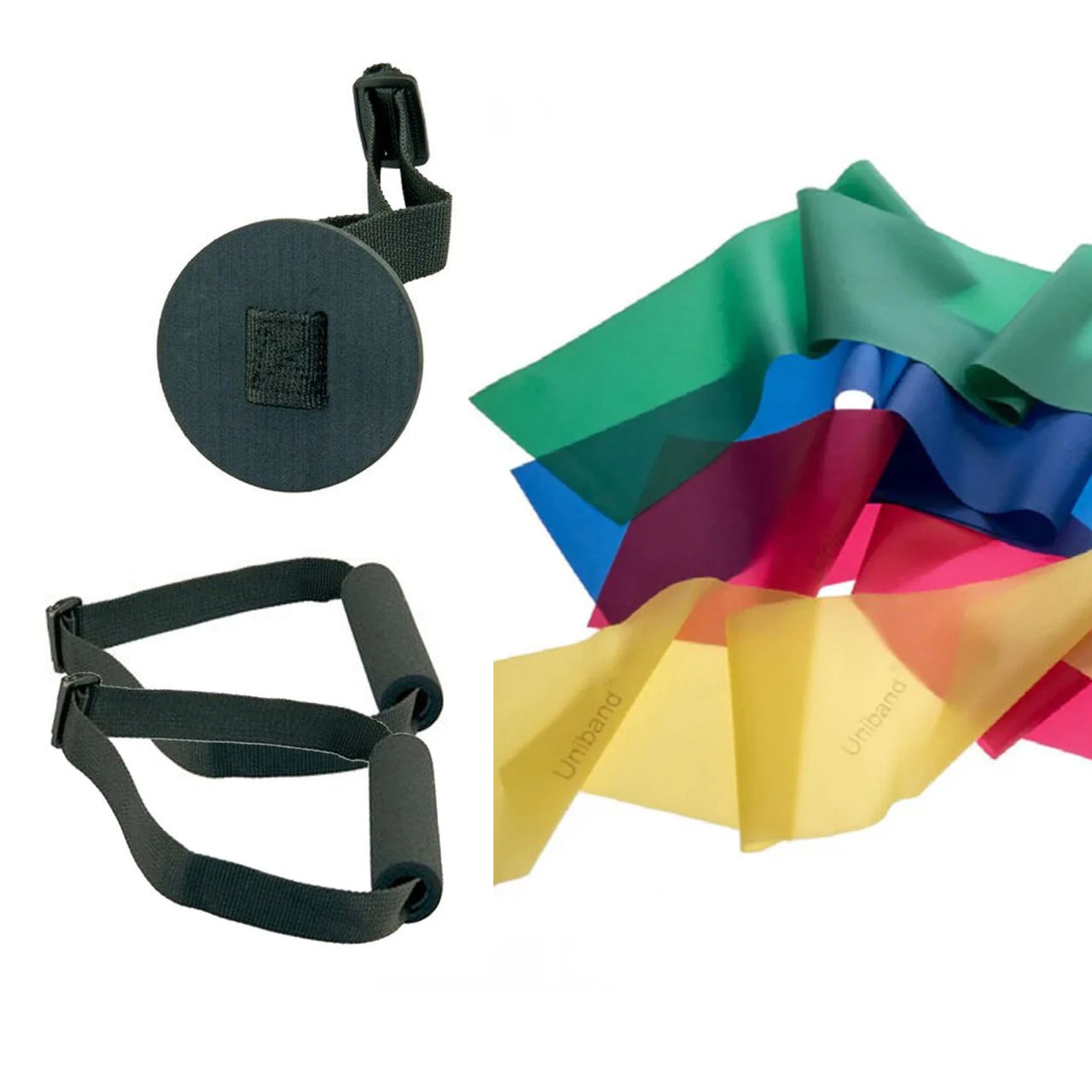
Wärme kann in den frühen Phasen Schmerzen lindern. Trainingsprogramme mit geringer Belastung und Beweglichkeitsübungen sind wichtig, um die Beweglichkeit zu erhalten und allmählich zurückzugewinnen. Eine Schulterbandage kann leichten Halt bieten und Beschwerden während der Aktivität lindern. Es ist wichtig, das Training an die Phase des Krankheitsverlaufs anzupassen.
Sehen Sie alle Produkte, die bei Frozen Shoulder Linderung verschaffen können