
Plattfuß ist ein Zustand, der völlig beschwerdefrei sein kann – aber auch zu Schmerzen und Müdigkeit in Füßen, Knien, Hüften und im unteren Rücken führen kann. Hier erläutern wir, was Plattfuß bedeutet, wie er entstehen kann, welche Symptome Sie beachten sollten und wie Sie den Fuß unterstützen können, um Beschwerden zu lindern.
Was ist Plattfuß?
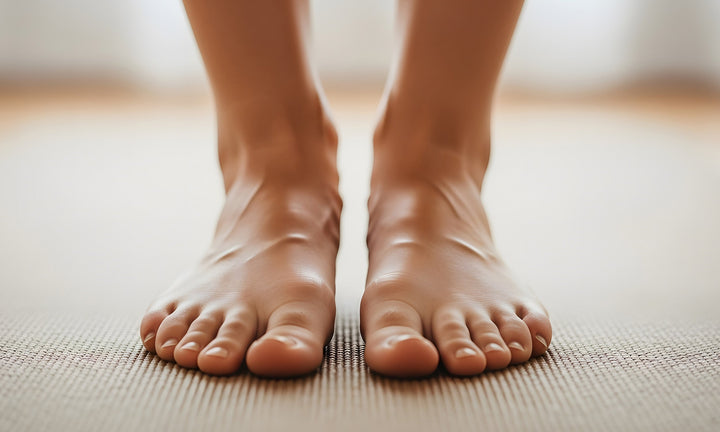
Plattfuß bedeutet, dass das innere Längsgewölbe des Fußes niedrig oder abgesunken ist, was dazu führt, dass die gesamte oder fast die gesamte Fußsohle bei Belastung den Boden berührt. Plattfuß kann angeboren und schmerzfrei sein. Die meisten Neugeborenen haben Plattfüße, und das Fußgewölbe entwickelt sich oft im Laufe des Wachstums. Plattfuß kann auch später im Leben erworben werden, aufgrund von Schwäche in den stützenden Strukturen des Fußes. Plattfuß kann zu Müdigkeit in den Füßen, Belastungsschmerzen und manchmal zu Beeinträchtigungen in den Knien, Hüften und im unteren Rücken führen.
Häufige Ursachen & Risikofaktoren
Erworbener Plattfuß kann auf eine der folgenden Ursachen zurückzuführen sein:
- Die Muskelsehne (m. tibialis posterior), die das Fußgewölbe stützt, ist geschwächt, überdehnt oder gerissen
- Überdehnte Bänder im Mittelfuß
- Verletzung des Fußes
- Erkrankungen, die die Sehne des tibialis posterior oder die Gelenke betreffen.
Häufige Risikofaktoren sind Übergewicht, langes Stehen oder Gehen auf harten Untergründen und Schwangerschaft. Auch altersbedingte Veränderungen und frühere Verletzungen können beitragen. Personen mit Überpronation haben ein erhöhtes Risiko, einen erworbenen Plattfuß zu entwickeln.
Symptome
Symptome können Müdigkeit und Schmerzen im Fußgewölbe, das Gefühl, dass der Fuß „zusammenfällt“, Schmerzen beim Gehen oder nach längeren Spaziergängen sein. Manche haben auch Belastungsschmerzen im Knie oder in der Hüfte oder Rückenschmerzen.
Wann sollten Sie ärztliche Hilfe suchen?
Suchen Sie ärztliche Hilfe, wenn die Schmerzen zunehmen, wenn Sie ausgeprägte Belastungsschmerzen haben oder wenn sich die Beschwerden nicht durch stützende Einlagen oder Selbstpflege verbessern. Bei plötzlichen Veränderungen der Fußform oder starken Schmerzen sollte eine medizinische Bewertung erfolgen.
Empfohlene Schutz- & Unterstützungsmittel
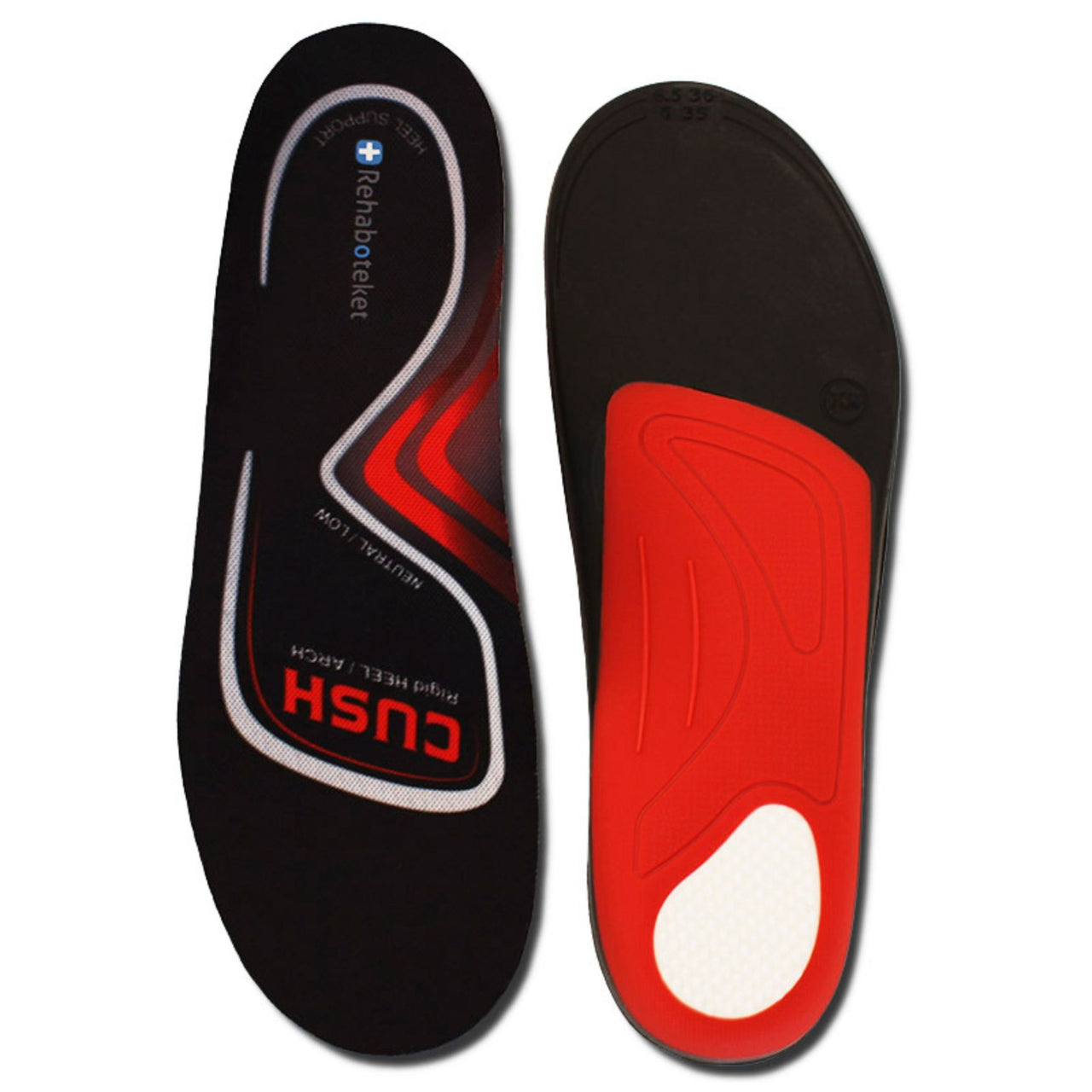
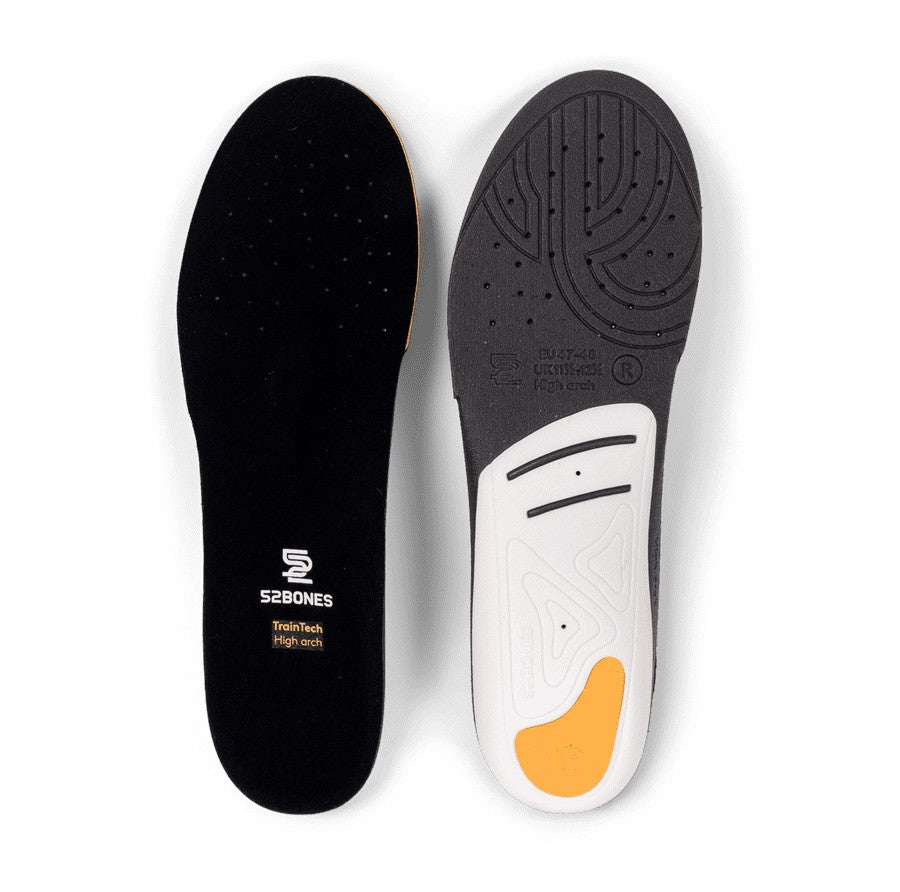
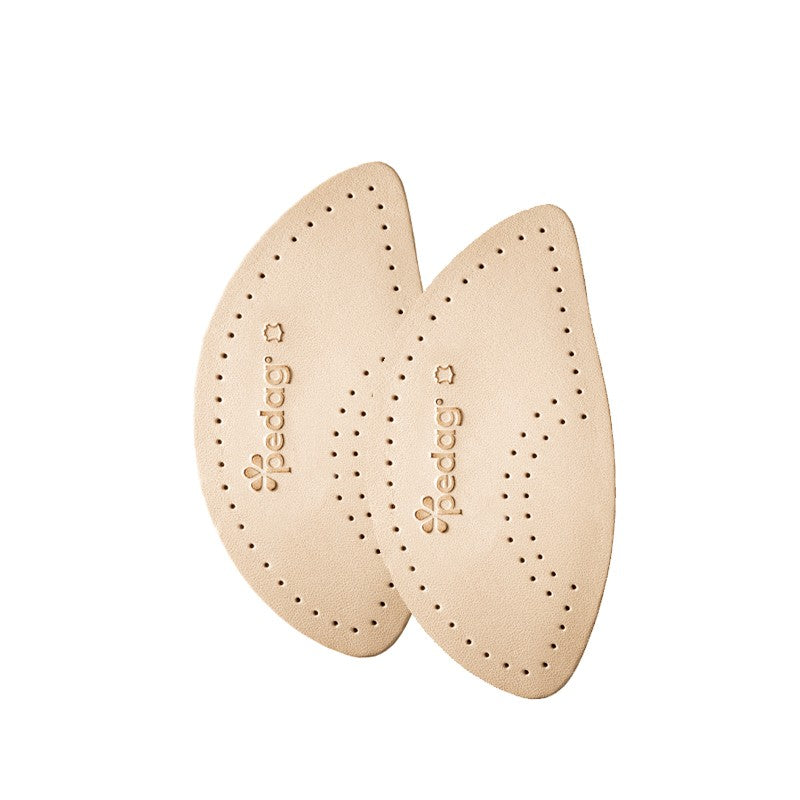
Stützende Einlagen oder Fußgewölbestützen können Unterstützung bieten und die Belastung der Fußstrukturen sowie der Knie, Hüften und des unteren Rückens verringern. Das Training der Fußmuskulatur kann die Stabilität des Fußes und die Funktion verbessern. Es ist oft hilfreich, Schuhe mit guter Dämpfung und Stabilität zu wählen.
Sehen Sie sich unsere Produkte für Plattfuß/niedriges Fußgewölbe an
Verwandte Verletzungen
Für mehr Wissen über Fußbeschwerden finden Sie weitere Artikel im Verletzungsratgeber Fuß & Ferse, und Sie können auch zur Hauptseite des Verletzungsratgebers weitergehen, um über andere Verletzungen und Symptome zu lesen.