
Haben Sie Schmerzen unter der Ferse und fragen sich, ob es sich um einen Fersensporn handeln könnte? Viele Menschen beschreiben ein scharfes oder stechendes Gefühl, wenn der Fuß nach einer Ruhepause den Boden berührt. Die Schmerzen sind oft am stärksten bei den ersten Schritten am Morgen oder wenn Sie nach längerem Sitzen wieder zu gehen beginnen.
Wenn Sie mehr über Symptome und zugrunde liegende Ursachen erfahren möchten, empfehlen wir unseren Verletzungsratgeber über Fersensporne.
Häufige Anzeichen für Fersensporne
- Schmerzen unter oder an der Innenseite der Ferse
- starke Schmerzen bei den ersten Schritten am Morgen
- Schmerzen, die nach einer Weile des Gehens nachlassen, aber bei längerer Belastung zurückkehren
- Empfindlichkeit, wenn Sie direkt vor dem Fersenbein drücken
Dieses Muster ist typisch für eine Überlastung der Plantarfaszie, einem breiten Band aus Bindegewebe, das unter dem Fuß verläuft.
Der Begriff Fersensporn wird oft als Sammelbegriff für Schmerzen an der Ansatzstelle der Plantarfaszie am Fersenbein verwendet. Bei einer Röntgenaufnahme kann manchmal ein kleiner knöcherner Vorsprung sichtbar sein. Ein solcher Vorsprung kann jedoch vorhanden sein, ohne dass er direkte Symptome verursacht. Die Schmerzen, die Sie empfinden, stammen hauptsächlich von der Sehnenansatzstelle.
Die Beschwerden treten häufig nach Überlastung auf, zum Beispiel bei erhöhtem Gehen oder Laufen, oder wenn die Schuhe unzureichende Unterstützung und Dämpfung bieten. In vielen Fällen lassen die Schmerzen im Laufe der Zeit nach, insbesondere wenn die Belastung angepasst und der Fuß entlastet wird.
So fühlt sich ein Fersensporn im Alltag an
Die Schmerzen befinden sich meist unter der Ferse oder leicht an der Innenseite und können manchmal bis zum Fußballen ausstrahlen. Ein typisches Merkmal ist, dass die ersten Schritte am Morgen am schmerzhaftesten sind, die Schmerzen jedoch nach einer Weile des Gehens nachlassen.
Das Gleiche kann passieren, nachdem Sie lange still gesessen haben. Nach längeren Spaziergängen, viel Stehen oder Laufen können die Schmerzen jedoch zurückkehren und sich eher wie ein dumpfer oder brennender Schmerz anfühlen.
Wenn Sie auf die Unterseite der Ferse an der Innenseite und direkt vor dem Fersenpolster drücken, ist es oft deutlich druckempfindlich.
Fersensporn oder etwas anderes?
Mehrere verschiedene Zustände können Schmerzen unter der Ferse verursachen, und die Symptome können manchmal ähnlich sein. Einige häufige Hinweise sind:
Fersensporn/Plantarfasziitis
Die Schmerzen befinden sich oft an der Ansatzstelle der Plantarfaszie am Fersenbein unter der Ferse und sind am deutlichsten bei den ersten Schritten am Morgen oder nach einer Ruhepause.
Ausgetretenes/irritiertes Fettpolster in der Ferse
Die Schmerzen sind mehr in der Mitte der Ferse zu spüren, oft wie ein Stoß oder ein blauer Fleck bei jedem Aufprall.
Severs Verletzung
Bei sporttreibenden Kindern mit Fersenschmerzen kann es die Wachstumszone im Fersenbein sein, die überlastet ist und Schmerzen verursacht. Schmerzen bei Belastung sind häufig, insbesondere bei sportlichen Aktivitäten und Barfußaktivitäten.
Andere Ursachen
Ausstrahlende Schmerzen, Taubheit oder Schmerzen, die nicht auf Belastung reagieren, können auf eine andere Ursache hindeuten und sollten von medizinischem Fachpersonal beurteilt werden.
Bei einem typischen Symptombild ist selten eine Röntgenaufnahme erforderlich. Ein Physiotherapeut kann oft das Problem beurteilen, indem er die Schmerzlokalisation, das Belastungsmuster und die Reaktion des Fußes auf verschiedene Bewegungen berücksichtigt.
Warum treten die Beschwerden auf?
Die häufigste Ursache für Fersensporne ist die Überlastung der Plantarfaszie, dem starken Band aus Bindegewebe, das hilft, das Fußgewölbe in seiner Form zu halten.
Die Belastung kann beispielsweise zunehmen bei:
- schneller Zunahme von Gehen oder Laufen
- viel Stehen auf harten Böden
- Schuhen mit schlechter Dämpfung oder unzureichender Unterstützung des Fußgewölbes
Oft sind es mehrere Faktoren zusammen, die zur Entstehung der Beschwerden beitragen.
Dass die Schmerzen oft nachlassen, wenn Sie anfangen zu gehen, liegt wahrscheinlich daran, dass das Gewebe sich erwärmt und widerstandsfähiger gegen Belastungen wird. Wenn die Belastung jedoch länger anhält, kann die Reizung wieder zunehmen.
Selbsthilfe, die oft Linderung verschafft
Der erste Schritt besteht oft darin, Aktivitäten, die die Schmerzen eindeutig auslösen, wie Laufen oder lange Spaziergänge, zu reduzieren oder zu pausieren, bis alltägliche Schritte wieder angenehmer sind.
In der Zwischenzeit können andere Aktivitäten wie Radfahren oder Schwimmen besser funktionieren, da sie den Fuß weniger belasten.
Es kann auch hilfreich sein:
- Schuhe mit guter Dämpfung und stabiler Sohle zu tragen
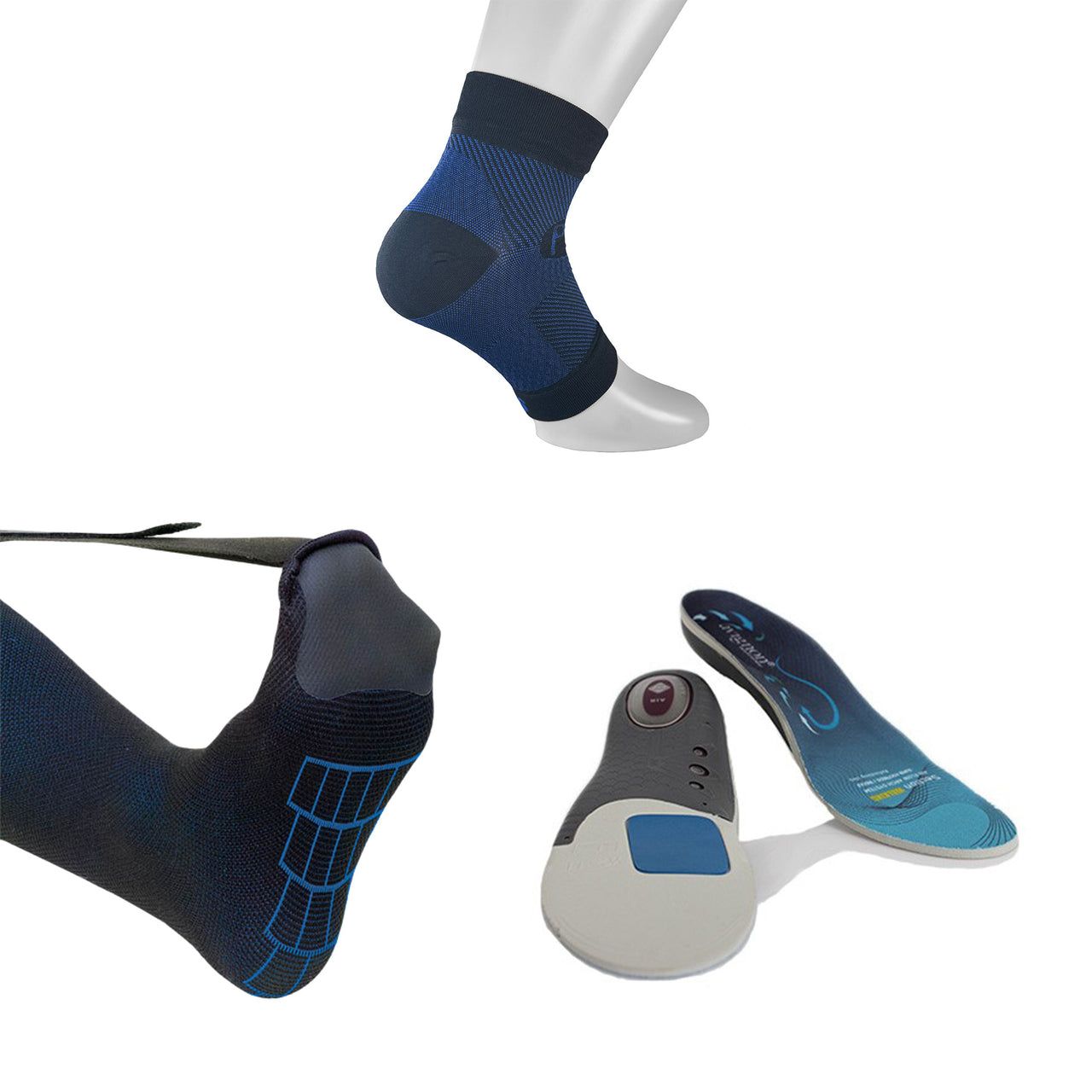
- Dämpfende Einlagen oder entlastende Einlagen einzulegen
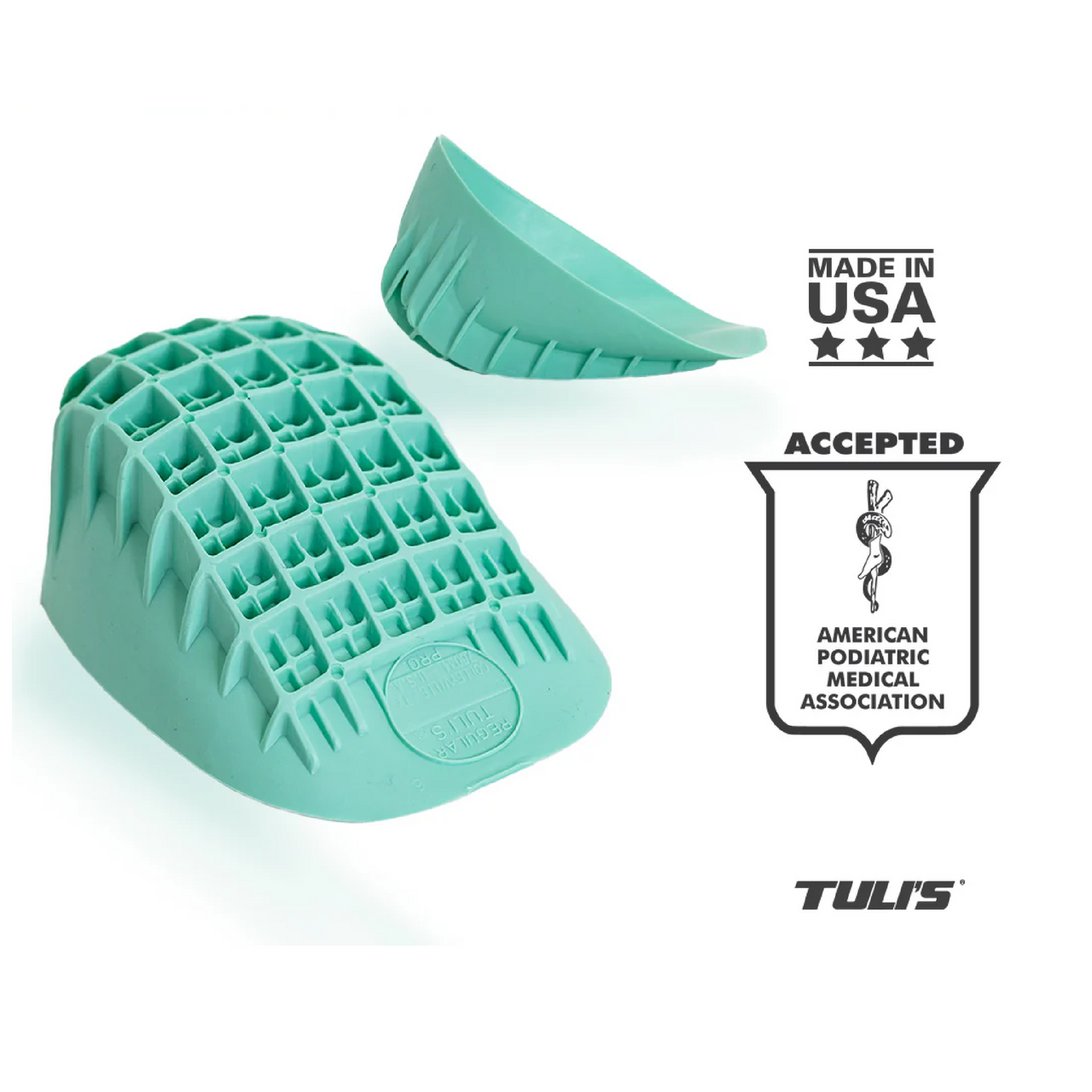
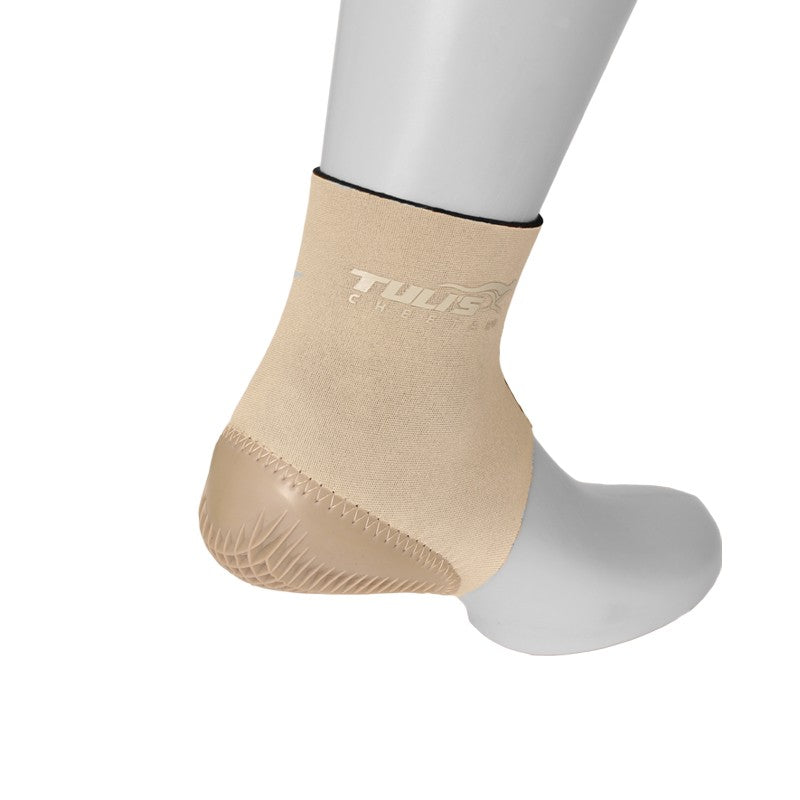
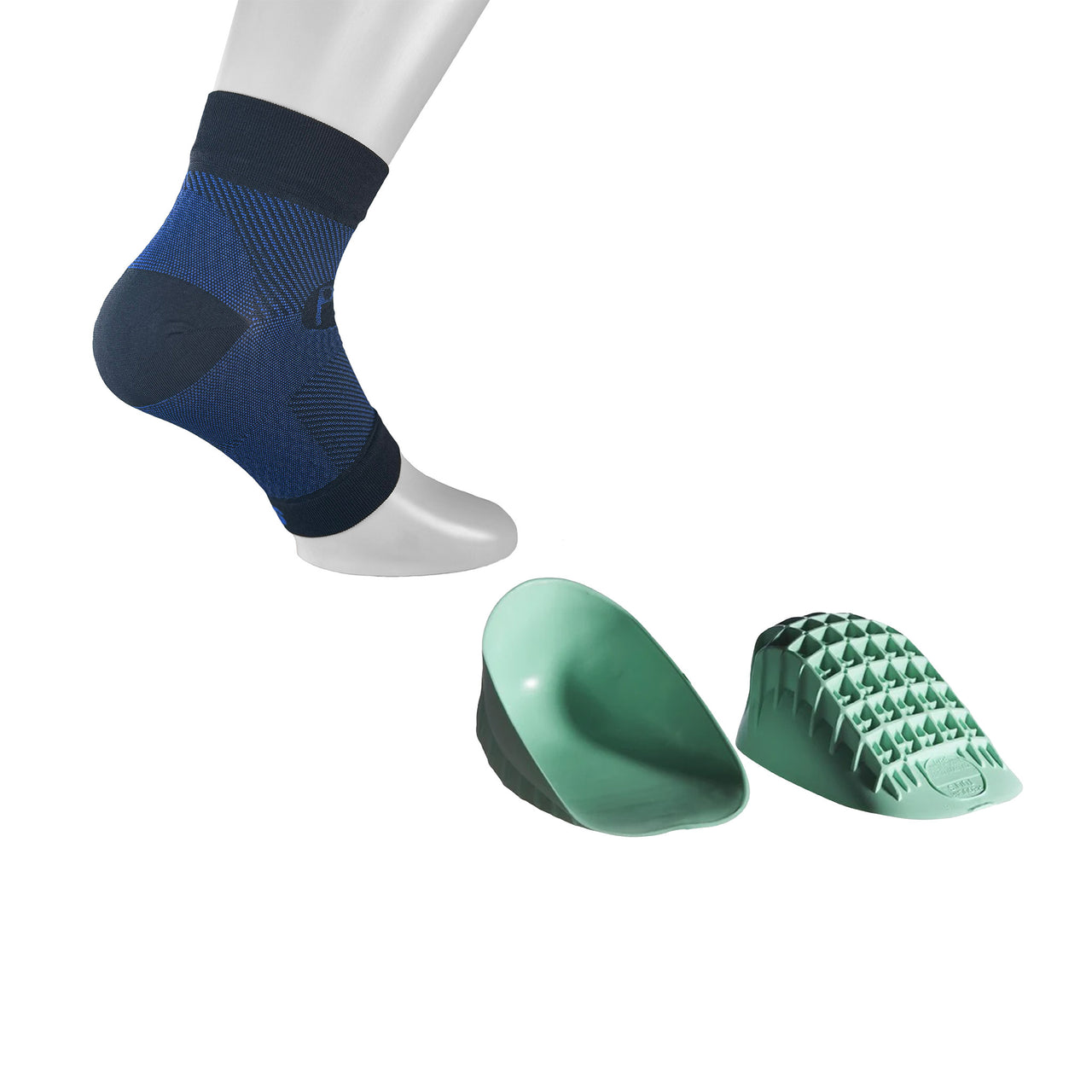
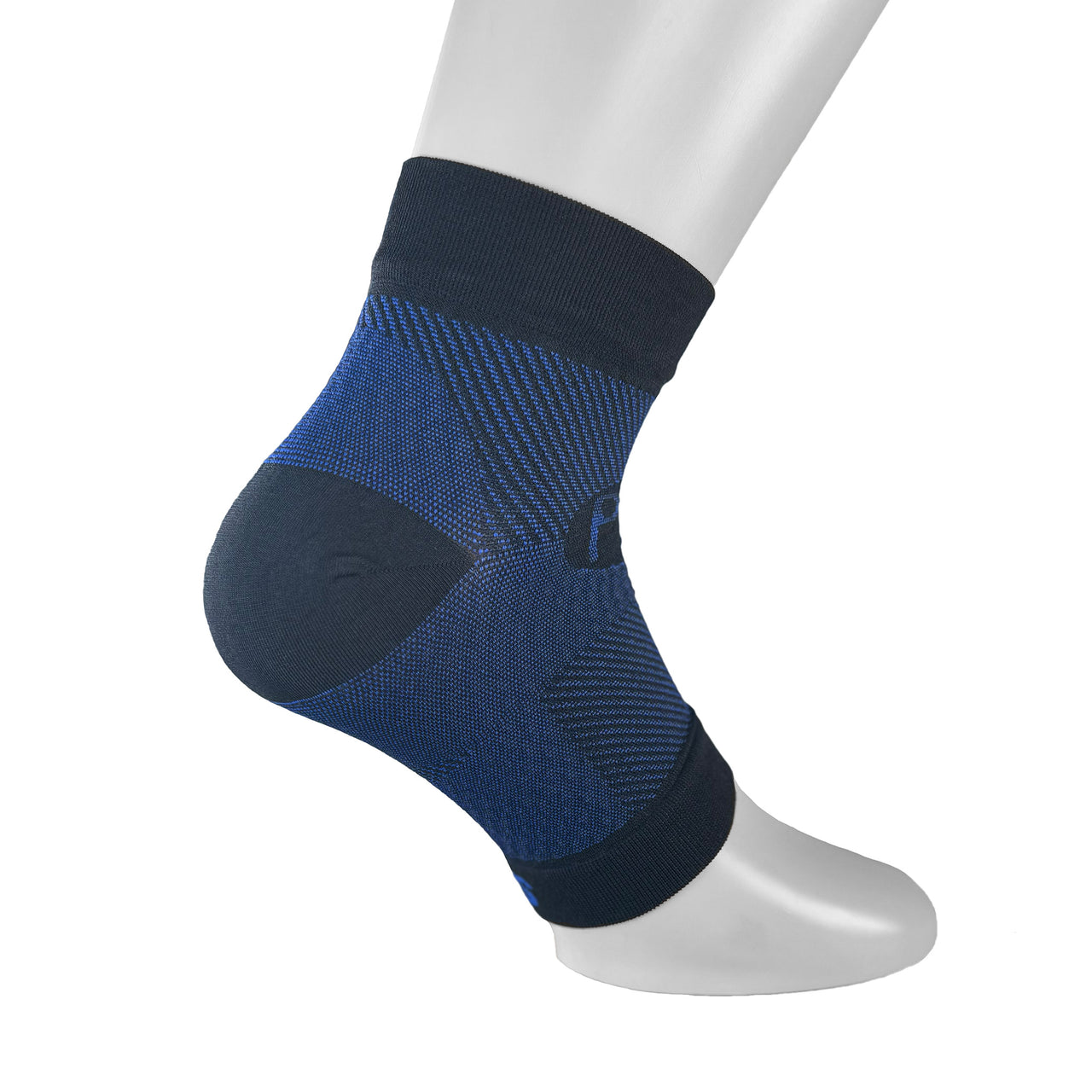
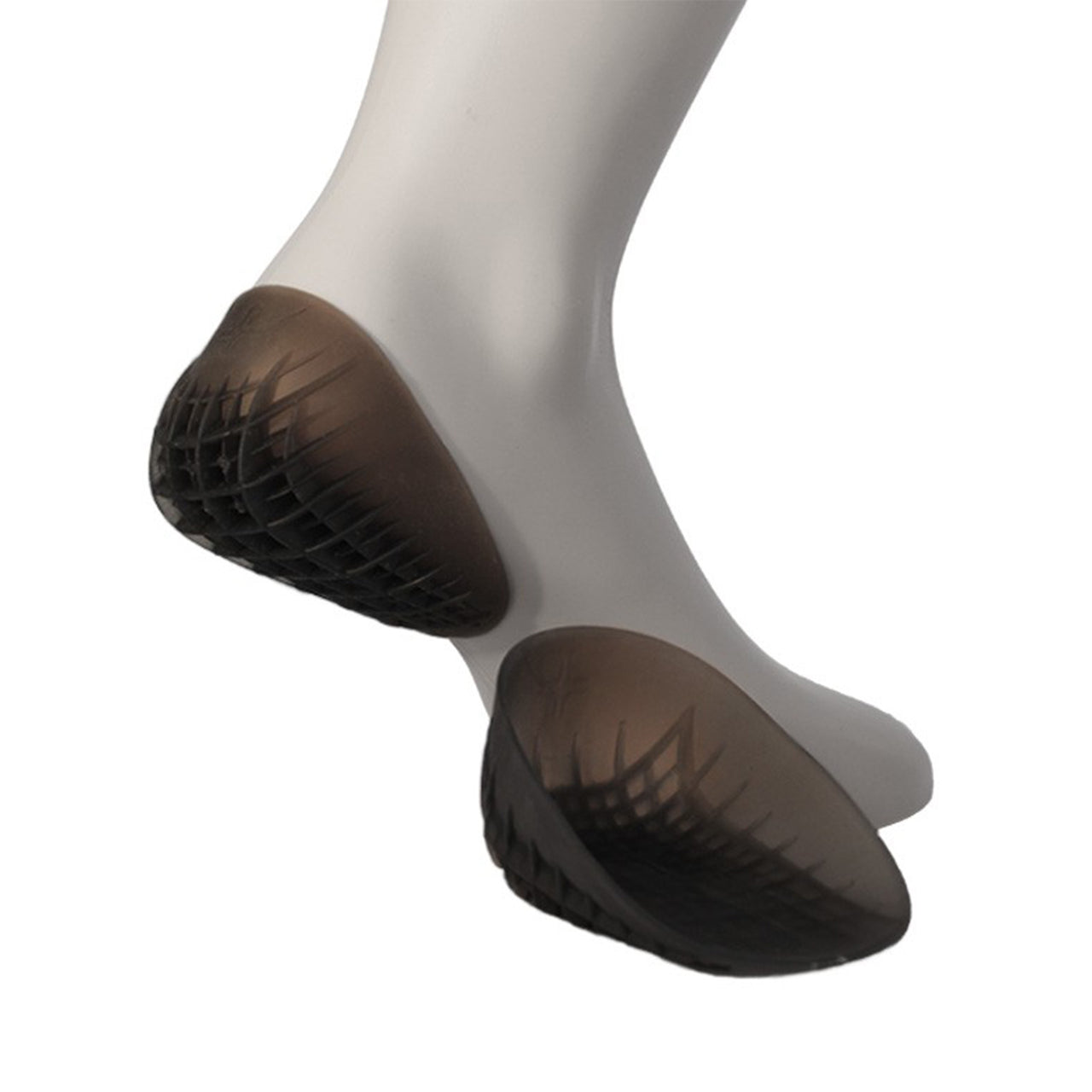
- eine Fersenschale zu verwenden, die den Druck auf die Ferse verringert
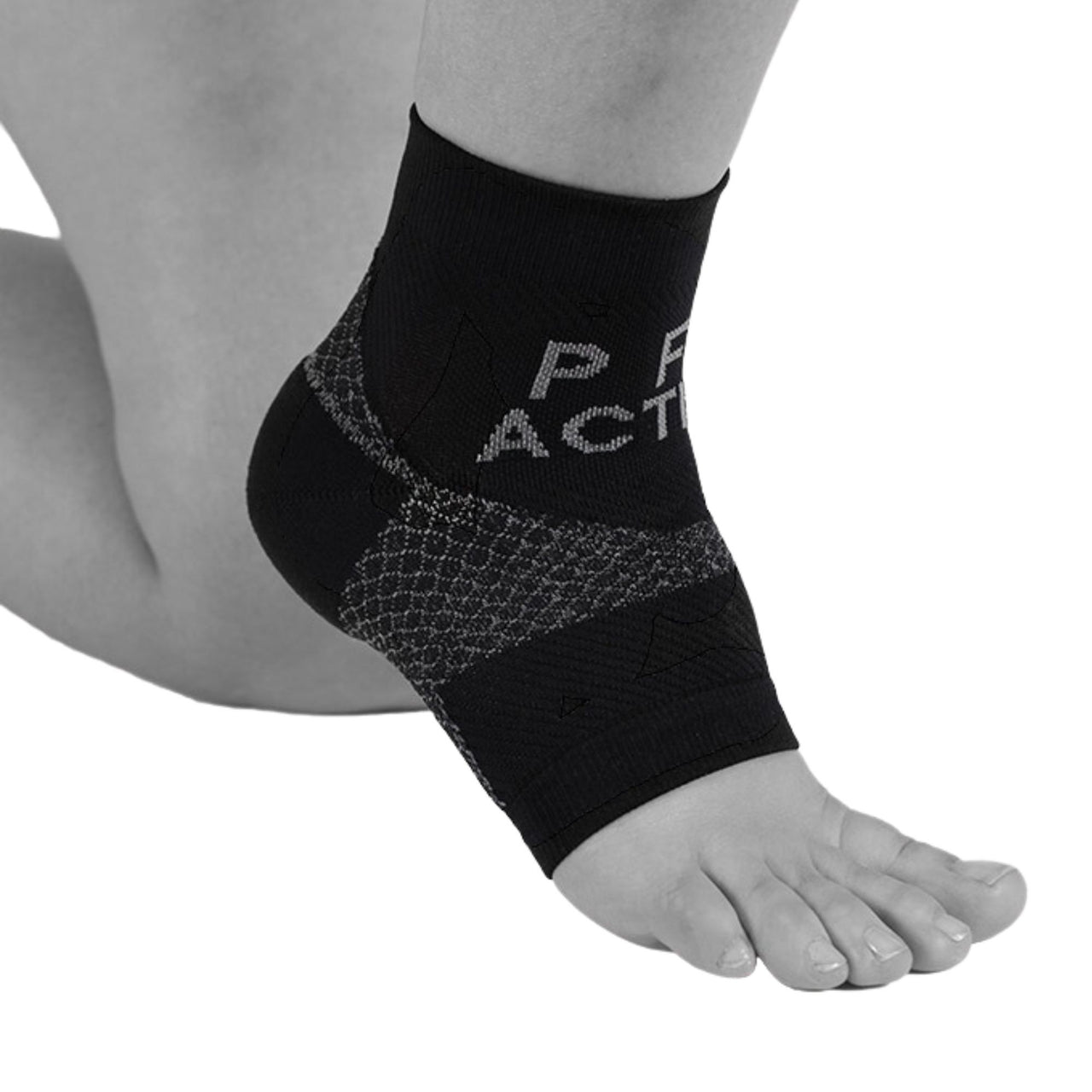
Physiotherapie mit schrittweise steigenden Übungen für das Fußgewölbe und die Wadenmuskulatur kann dazu beitragen, das Gewebe widerstandsfähiger gegen Belastungen zu machen. Dehnen und Tapen werden manchmal verwendet, um die Spannung in der Plantarfaszie vorübergehend zu reduzieren.
Bei längerfristigen Beschwerden können Behandlungen wie Stoßwellentherapie oder individuell angepasste Schuheinlagen in Betracht gezogen werden.
Sehen Sie sich unsere Produkte für Fersensporne an
Wenn Sie mehr über Symptome, Ursachen, Behandlungen und wann es sinnvoll sein könnte, medizinische Hilfe in Anspruch zu nehmen, erfahren möchten, empfehlen wir unseren Verletzungsratgeber über Fersensporne.
Wenn Sie stattdessen Hilfe bei der Auswahl des richtigen Produkts basierend auf Ihren Beschwerden benötigen, sind Sie jederzeit herzlich eingeladen, unseren Physiotherapeuten zu kontaktieren.