So leben Sie mit Fersensporn im Alltag – Tipps für Training und Entlastung
Das Leben mit einem Fersensporn kann sowohl den Alltag als auch das Training beeinträchtigen. Die Schmerzen in der Ferse sind oft beim Gehen, Stehen und den ersten Schritten am Morgen spürbar. Obwohl die Beschwerden langanhaltend sein können, gibt es viel, was Sie selbst tun können, um die Belastung zu reduzieren und den Alltag zu erleichtern.
Wenn Sie mehr über Symptome und zugrunde liegende Ursachen erfahren möchten, empfehlen wir unseren Verletzungsratgeber über Fersensporn.
Alltagsgewohnheiten, die Fersensporne verschlimmern können
Viele Menschen verschlimmern unbewusst ihre Probleme durch die Art und Weise, wie ihre Füße im Alltag belastet werden. Barfußlaufen auf harten Böden bietet minimale Stoßdämpfung und kann den Druck auf die Ferse erhöhen, insbesondere bei langem Stehen. Flache oder abgenutzte Schuhe ohne ausreichende Unterstützung können ebenfalls zu einer erhöhten Belastung der Plantarfaszie beitragen. Ein weiterer häufiger Fehler ist, den Schmerz zu ignorieren und wie gewohnt fortzufahren, was oft dazu führt, dass die Irritation zu einem langanhaltenden Schmerz wird. Kleine Anpassungen im Alltag können daher über die Zeit einen großen Unterschied machen.
So können Sie den Druck auf Ihre Füße im Alltag reduzieren
Um die Belastung der Plantarfaszie zu verringern, geht es nicht um totale Ruhe, sondern darum, den Fuß auf eine intelligentere Weise zu belasten. Schuhe mit guter Stoßdämpfung und Fußgewölbeunterstützung, auch drinnen, können helfen, die Ferse im Alltag zu entlasten. Ein Wechsel zwischen Sitzen, Stehen und Bewegung verringert das Risiko einseitiger Belastungen, und in Zeiten mit mehr Schmerzen kann es ratsam sein, lange Spaziergänge auf harten Oberflächen zu vermeiden. Indem Sie dem Fuß regelmäßige Erholungsphasen zwischen den Belastungen geben, schaffen Sie bessere Voraussetzungen für die Heilung.
Fersensporn und Training – was funktioniert?
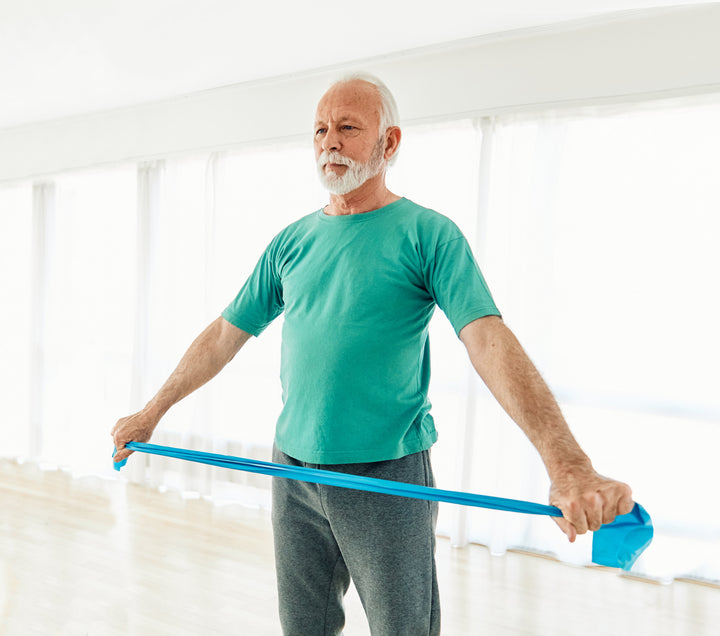
Völlig inaktiv zu werden, ist selten eine gute Lösung bei Fersenspornen. Die richtige Art von Bewegung kann stattdessen zur Verbesserung der Durchblutung sowie zur Erhaltung von Kraft und Beweglichkeit beitragen. Sanfte Sportarten wie Radfahren und Schwimmen belasten den Fuß minimal, während Krafttraining ohne Stoßbelastung helfen kann, den Rest des Körpers stark zu halten. Mobilitätsübungen für die Wadenmuskulatur und die Fußsohle sind ebenfalls wichtig, da Steifheit in diesen Strukturen die Belastung der Ferse erhöhen kann. Laufen, Springen und explosive Bewegungen sollten jedoch vermieden werden, bis der Schmerz nachgelassen hat. Eine Anpassung an die Tagesform ist entscheidend.
Hilfsmittel, die den Alltag erleichtern können
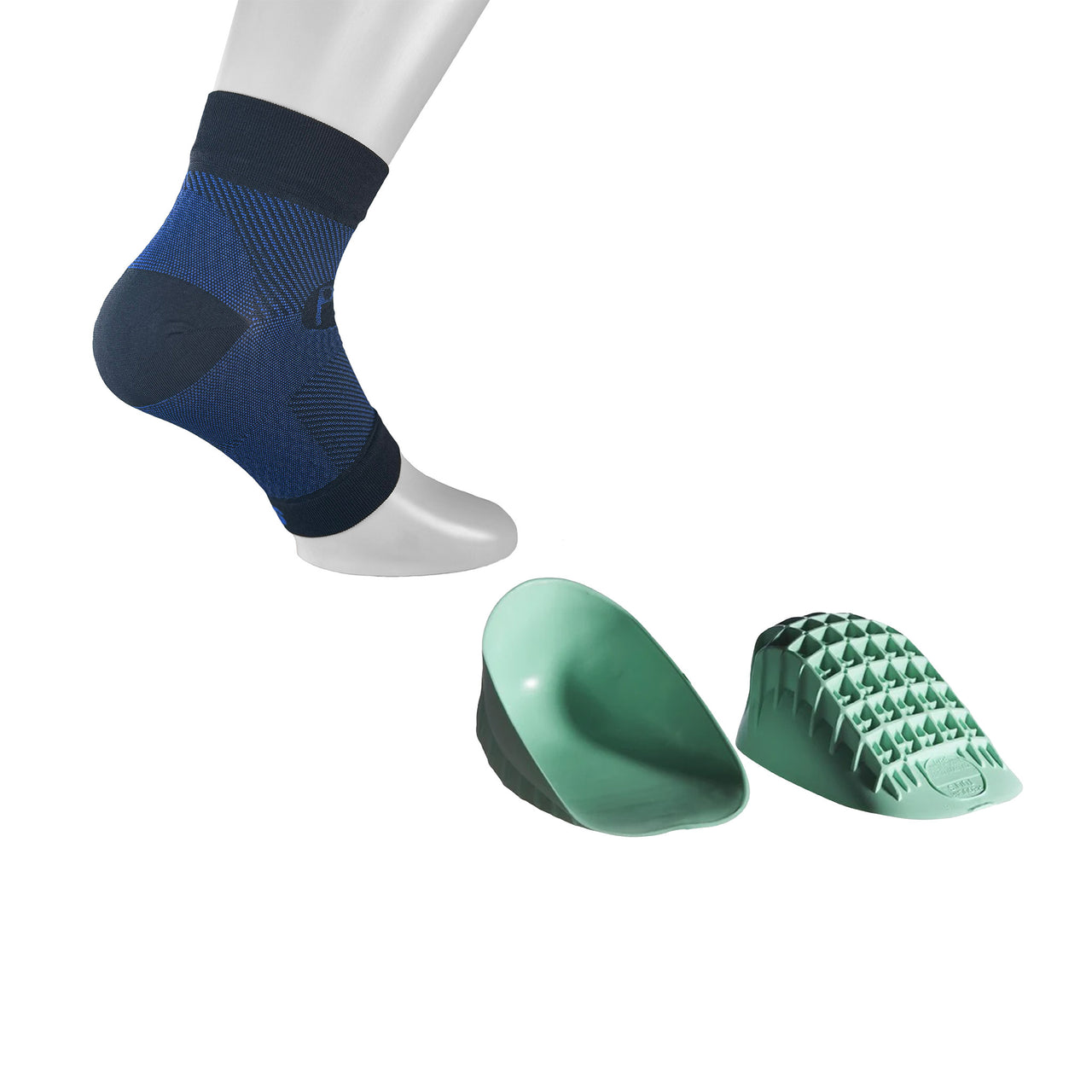
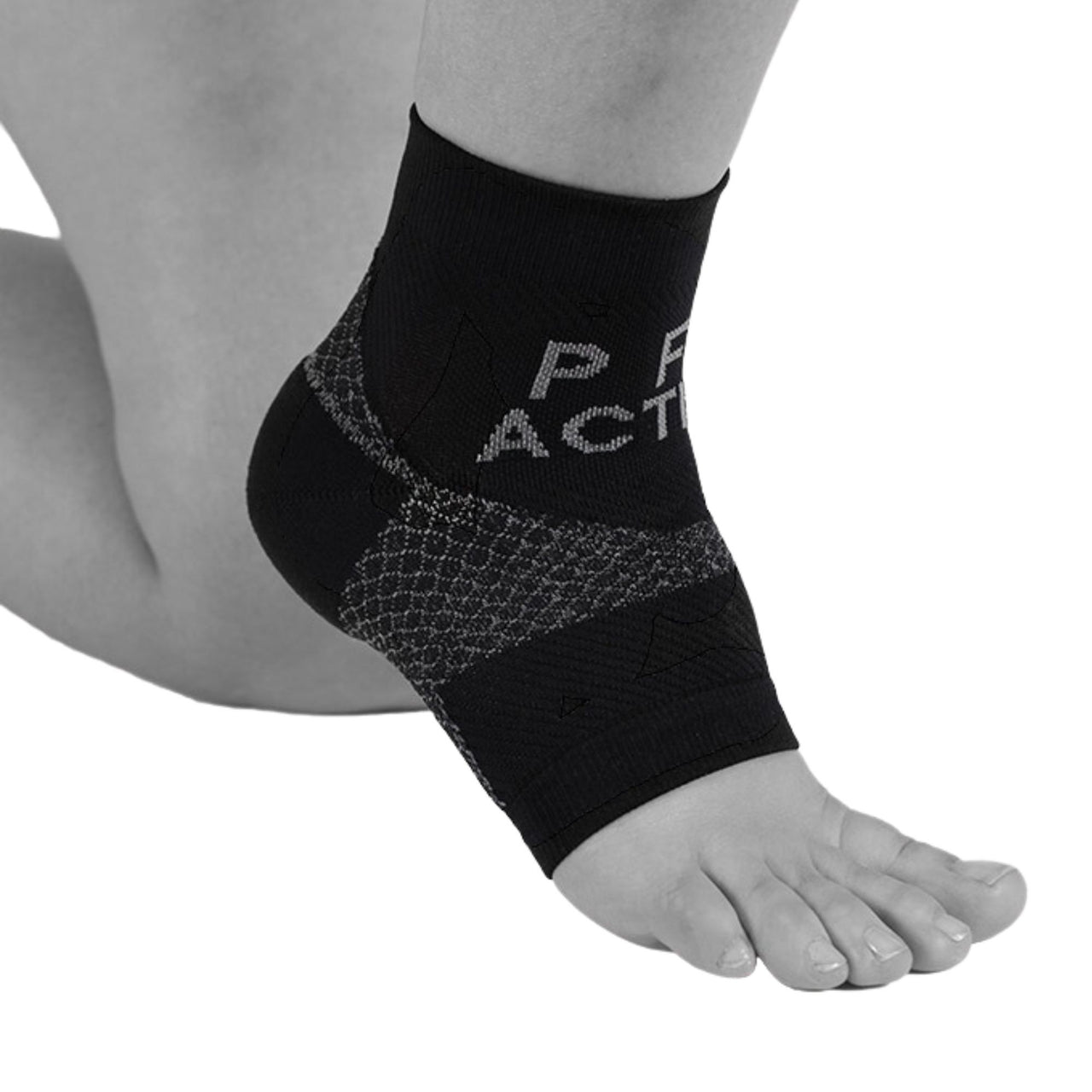
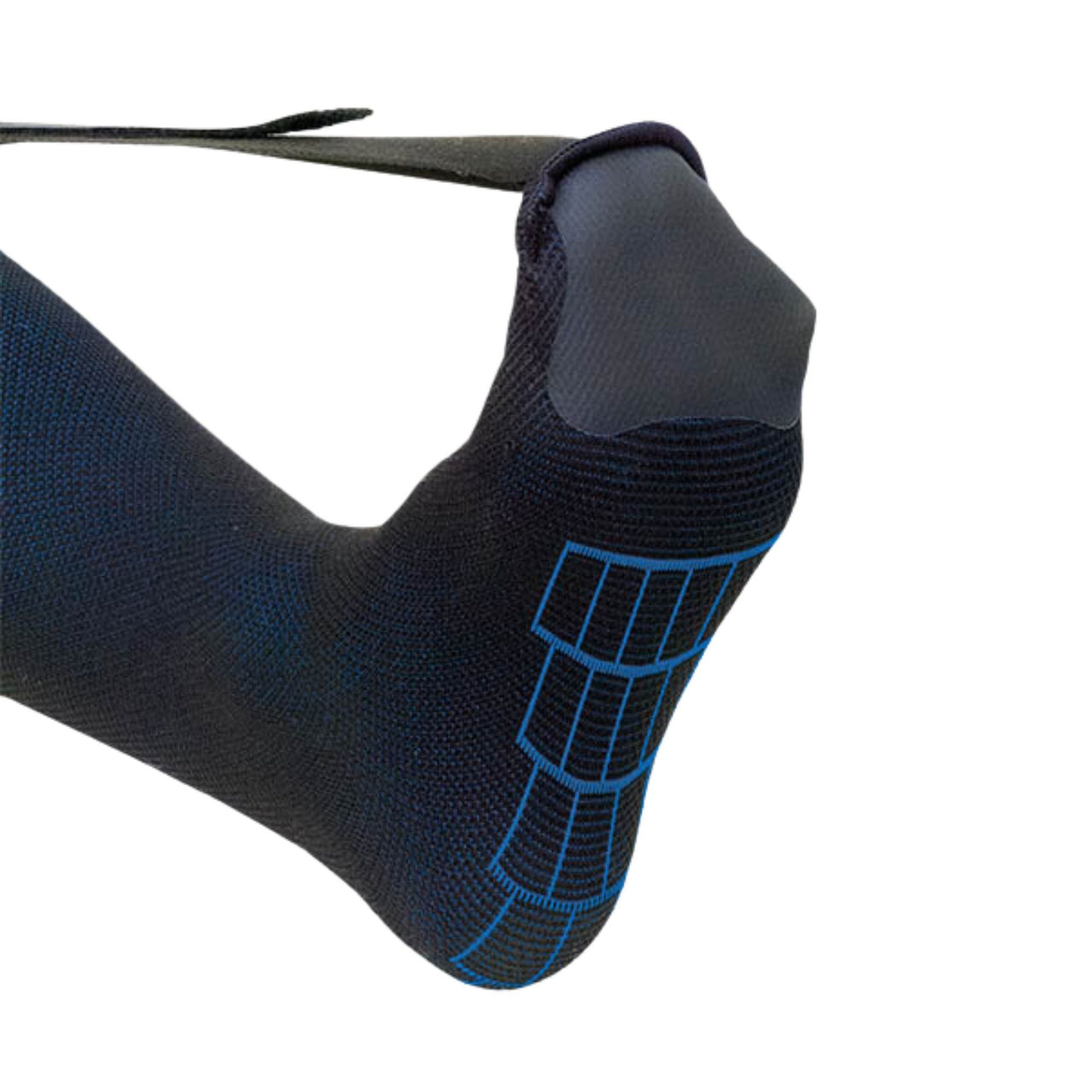
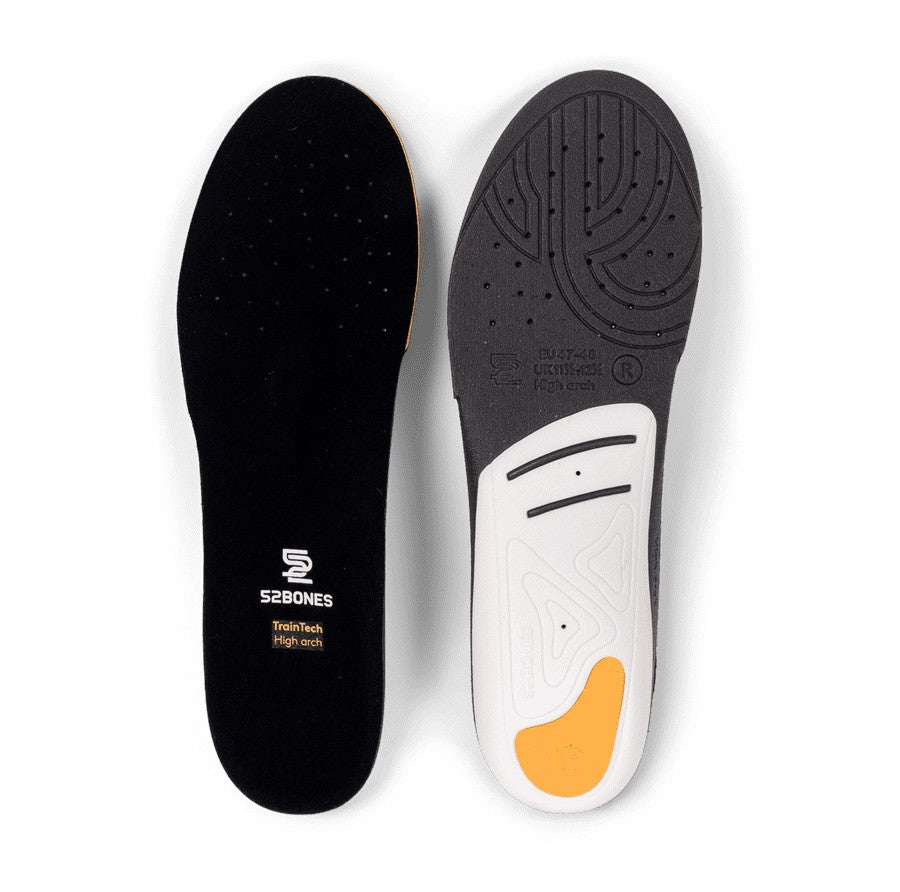
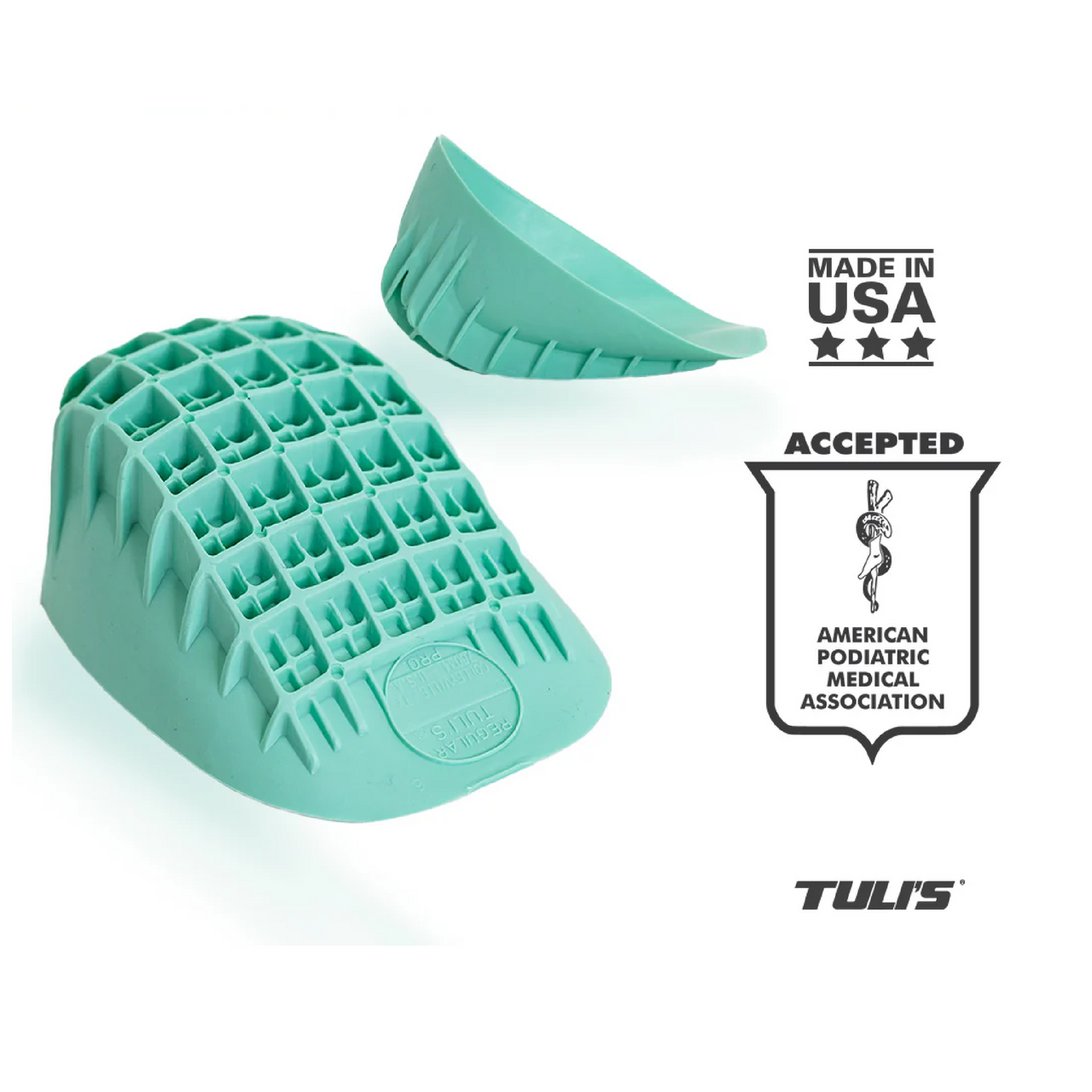
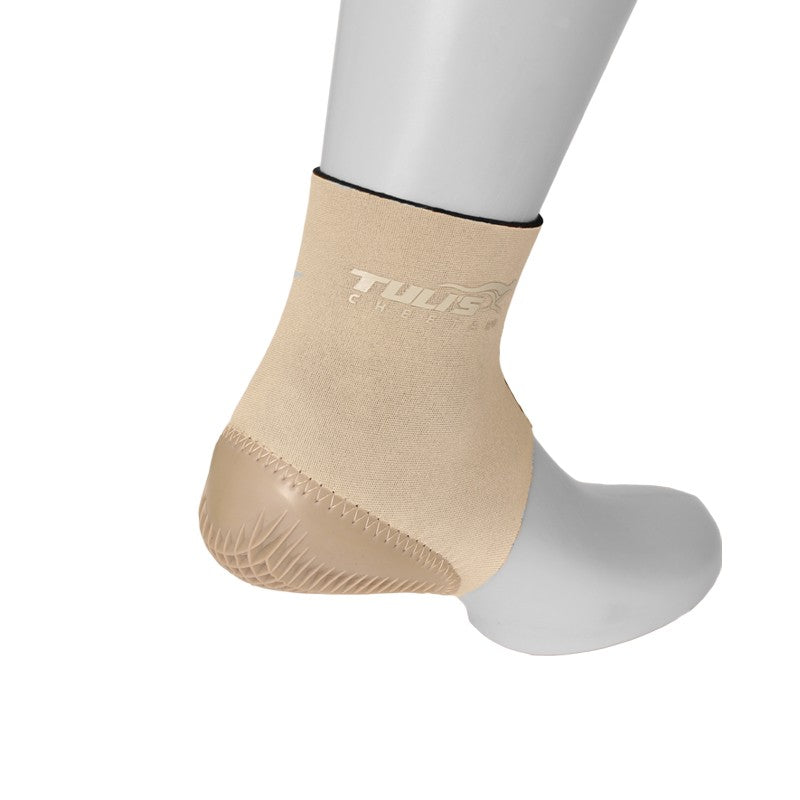
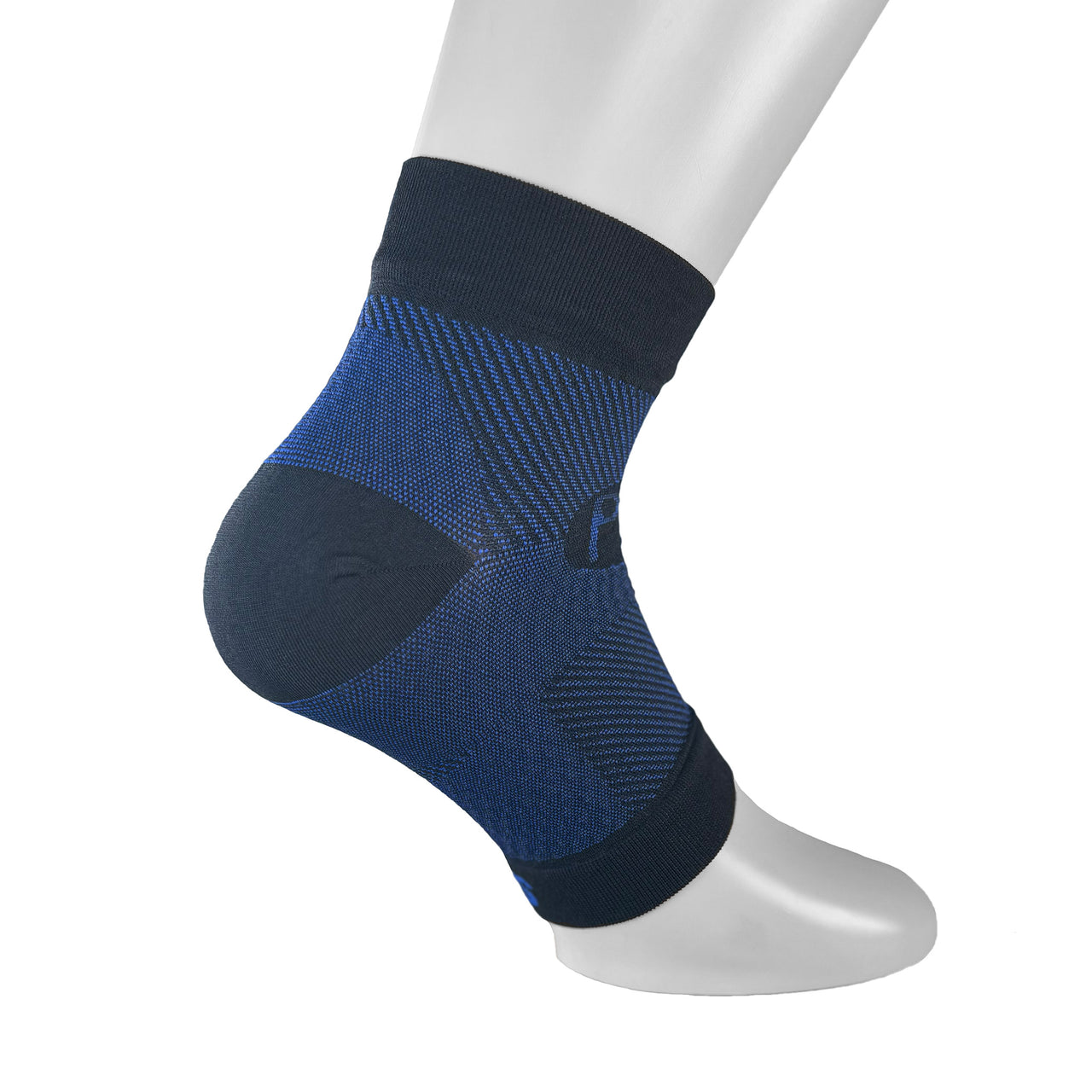
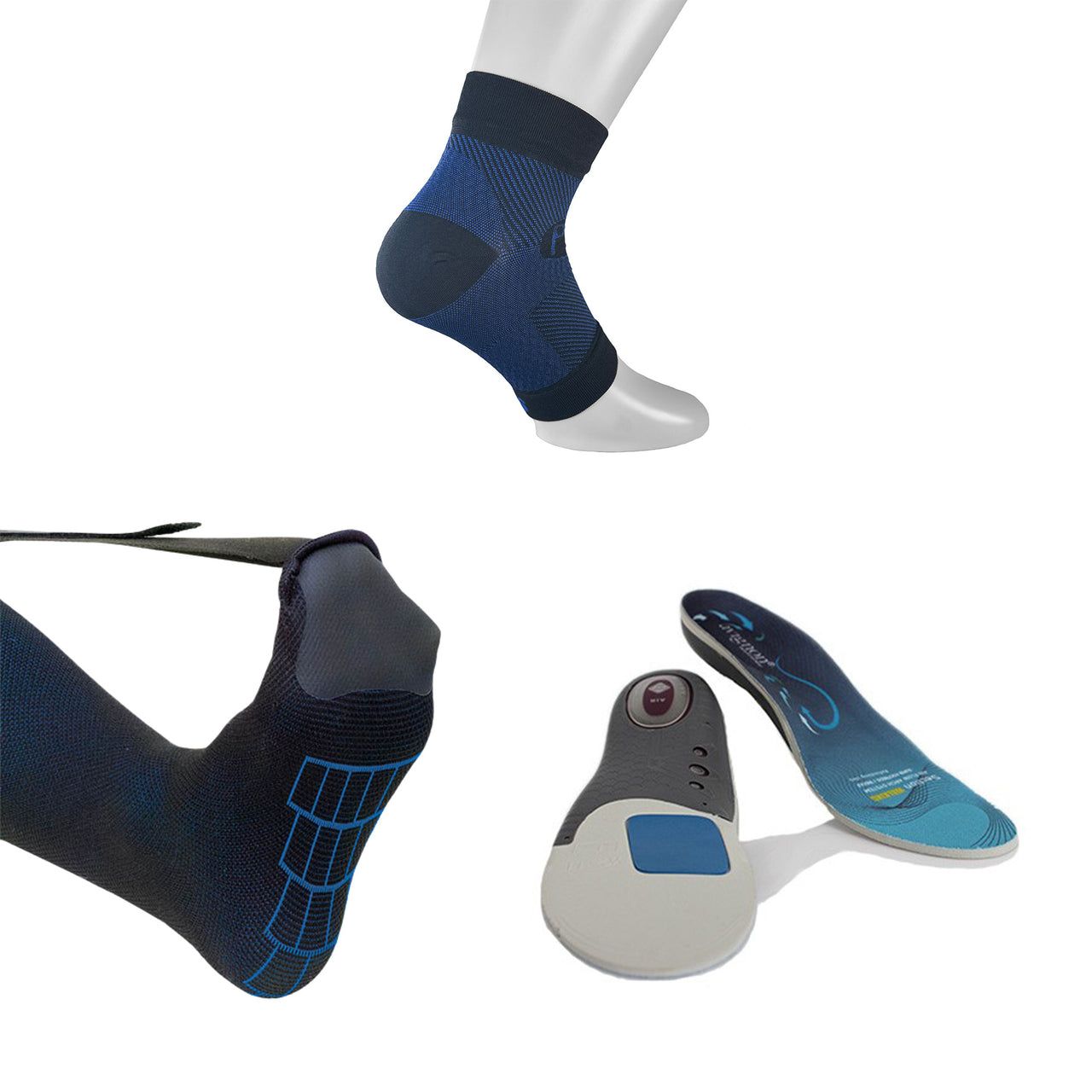
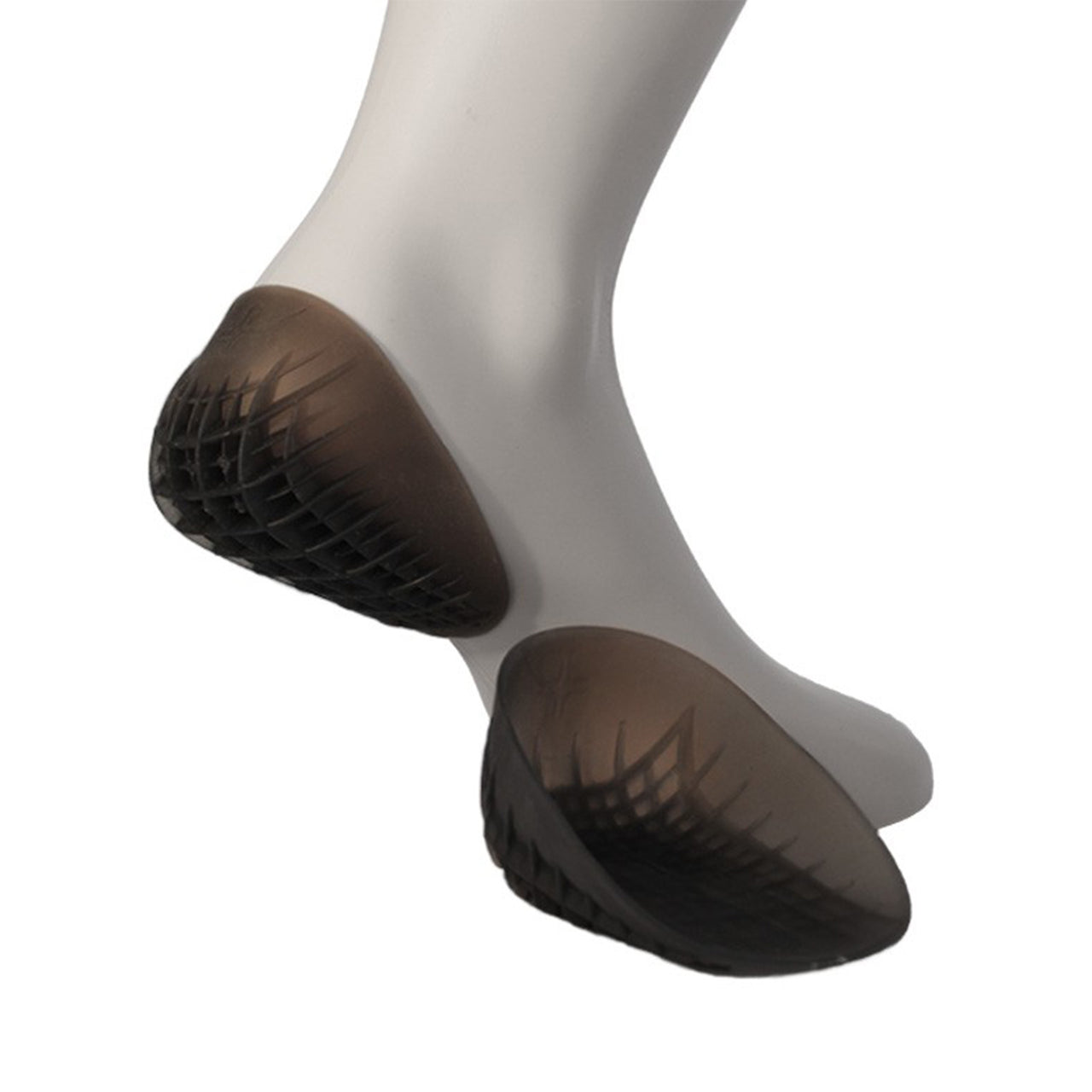
Bei Fersenspornen können Hilfsmittel als wertvolle Ergänzung zur angepassten Belastung und Bewegung dienen:
Einige entscheiden sich auch dafür, die Ferse mit Kinesiologie-Tape für vorübergehende Entlastung zu tapen, insbesondere im Sport. Dies kann kurzfristige Linderung bieten, aber häufiges Tapen kann die Haut reizen oder schädigen. Bei langanhaltenden Fersenspornen empfehlen wir daher in erster Linie Fersenkappen oder Einlagen, die eine nachhaltigere Entlastung im Alltag bieten.
Zusammenfassung – Fokus auf Management, nicht auf Einschränkung
Fersensporne sind ein häufiges Problem, das oft Geduld erfordert. Durch Anpassung der täglichen Belastung, Wahl der richtigen Art von Bewegung und den richtigen Einsatz von Hilfsmitteln können Sie die Schmerzen verringern und aktiv bleiben – ohne die Probleme zu verschlimmern.
Wenn Sie mehr über Symptome, Ursachen, Behandlung und wann es ratsam sein kann, medizinische Hilfe in Anspruch zu nehmen, erfahren möchten, empfehlen wir unseren Verletzungsratgeber zu Fersenspornen.
Wenn Sie stattdessen Hilfe bei der Auswahl des richtigen Produkts basierend auf Ihren Beschwerden benötigen, sind Sie jederzeit willkommen, unseren Physiotherapeuten zu kontaktieren für persönliche Beratung.