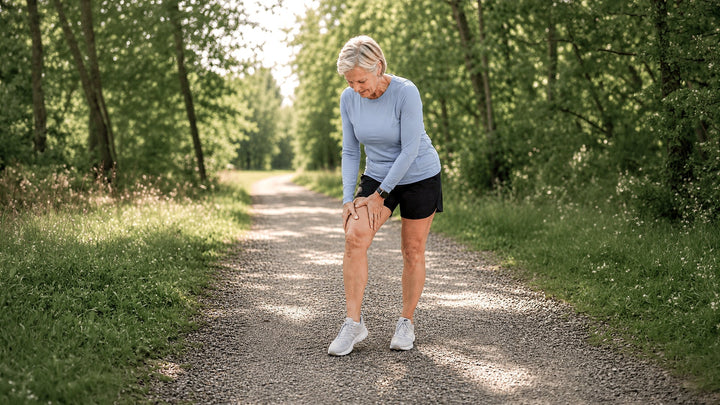

Das Skifahren stellt hohe Anforderungen an das Kniegelenk und kann herausfordernd sein, wenn Sie aufgrund einer früheren Knieverletzung oder Gelenkerkrankung Probleme mit dem Knie haben. Es ist nicht ungewöhnlich, dass Knieverletzungen auf der Skipiste auftreten, zum Beispiel wenn Sie mit dem Ski im Boden stecken bleiben und fallen. Mit regelmäßigem Training der kniestabilisierenden Muskulatur, der richtigen Vorbereitung und Ausrüstung sowie ein wenig gesundem Menschenverstand können Sie Verletzungen und Probleme vorbeugen, sodass Sie Ihre Skisaison bis zum Ende genießen können.
Wenn Sie mehr über häufige Knieverletzungen lesen möchten, finden Sie unsere vertiefenden Leitfäden hier:
Unsere Physiotherapeutin hat fünf effektive Übungen entwickelt, die die Kniekontrolle verbessern und Ihnen helfen, stabiler auf der Piste zu werden. Die Übungen erfordern keine Fitnessgeräte und können einfach zu Hause durchgeführt werden. Für den besten Effekt versuchen Sie, mindestens zweimal pro Woche zu trainieren. Wenn Sie Schmerzen oder Unbehagen bei einer Übung verspüren, sollten Sie die Übung abbrechen. Wenn Sie bereits Probleme mit Knieschmerzen hatten, kann ein gewisses Maß an Schmerzsteigerung während des Trainings akzeptabel sein, aber es sollte bis zum nächsten Tag auf Ihr normales Schmerzlevel zurückkehren. Muskelkater ist in Ordnung.
Fünf einfache Übungen für eine bessere Kniekontrolle
1. Stehen Sie auf und setzen Sie sich auf einem Bein
Sitzen Sie auf einem Stuhl mit normaler Sitzhöhe. Strecken Sie ein Bein vor sich aus und stehen Sie auf dem anderen Bein auf. Setzen Sie sich dann langsam und kontrolliert auf einem Bein wieder hin. Achten Sie darauf, dass Ihr Knie gerade nach vorne zeigt und in die gleiche Richtung wie Ihre Zehen.
Wiederholungen: 10
Sätze: 1–3
2. Ausfallschritte
Machen Sie einen langen Schritt nach vorne und senken Sie Ihren Körper kontrolliert ab. Halten Sie Ihr Knie in Linie mit Ihren Zehen. Machen Sie einen weiteren Schritt nach vorne mit dem anderen Bein und senken Sie den Körper auf die gleiche Weise ab. Versuchen Sie, Ihren Oberkörper aufrecht zu halten und sicherzustellen, dass Ihr Knie nicht vor Ihrem Fuß landet, während Sie den Körper absenken.
Wiederholungen: 10 Schritte
Sätze: 1–3
3. Beckenheben
Liegen Sie auf dem Rücken mit den Füßen auf dem Boden. Spannen Sie leicht den Bauch an und aktivieren Sie die Gesäßmuskulatur, und heben Sie das Becken an, bis die Hüfte gestreckt ist. Halten Sie 1-2 Sekunden und senken Sie langsam wieder ab. Wiederholen Sie dies.
Wiederholungen: 10
Sätze: 1–3
4. Seitwärtsgehen mit Kniekontrolle
Beugen Sie die Knie leicht und machen Sie Seitenschritte. Konzentrieren Sie sich auf eine stabile Hüft- und Knieposition. Wechseln Sie die Richtung nach zehn Schritten. Sie können die Schwierigkeit erhöhen, indem Sie ein Trainingsband um Ihre Beine direkt über den Knien binden.
Wiederholungen: 10 Schritte in jede Richtung
Sätze: 1–3
5. Wadenheben
Stehen Sie auf einem Bein und heben Sie sich kontrolliert auf die Zehen. Senken Sie langsam ab und wiederholen Sie. Sie können sich mit ein paar Fingern an einem stabilen Möbelstück abstützen.
Wiederholungen: 10
Sätze: 1–3
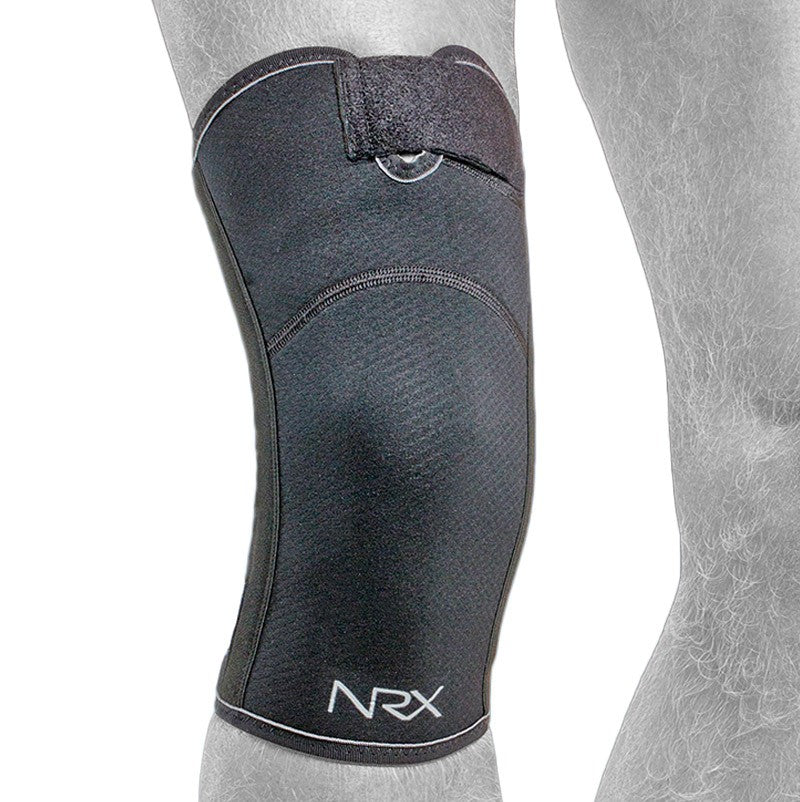
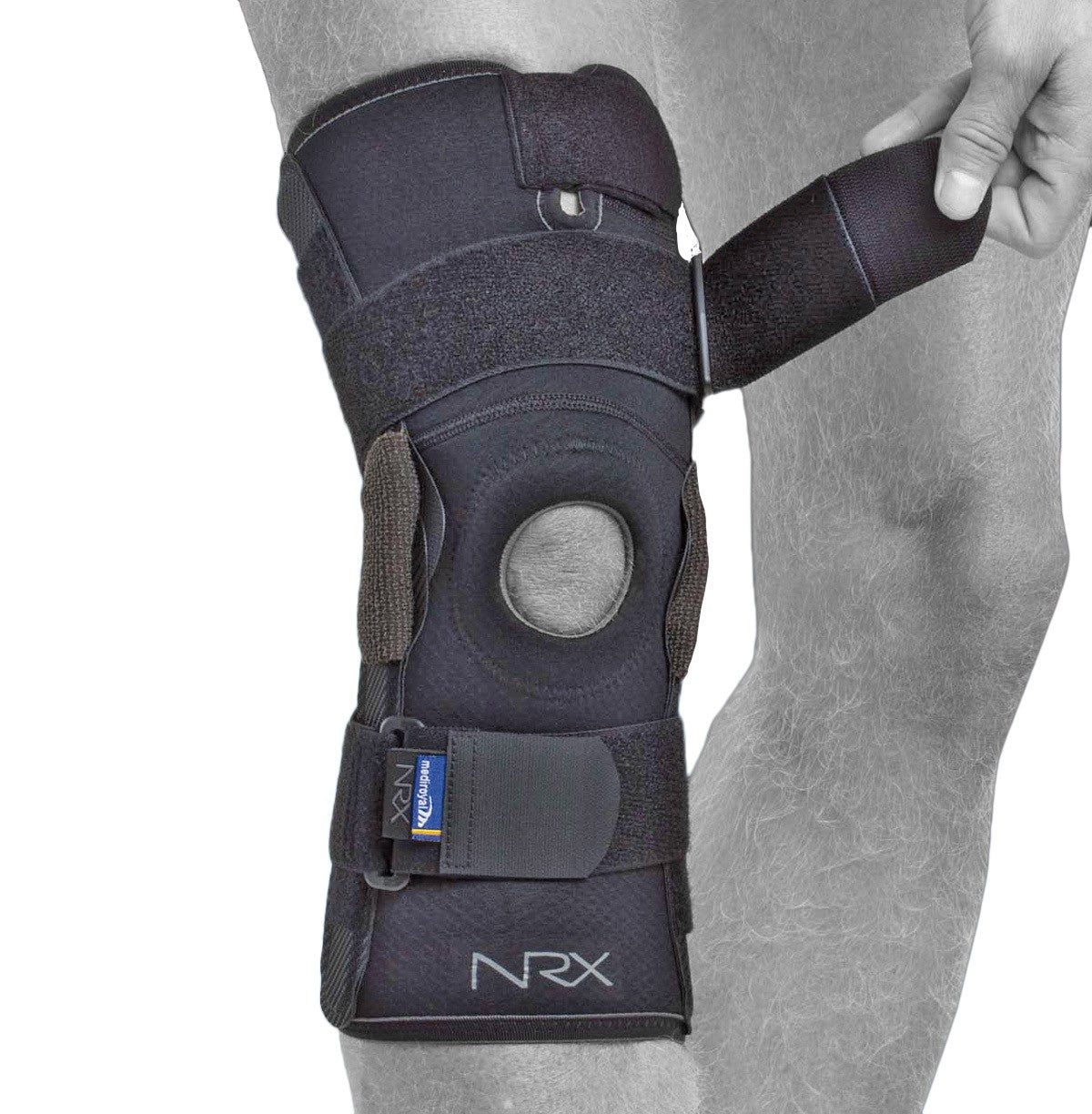
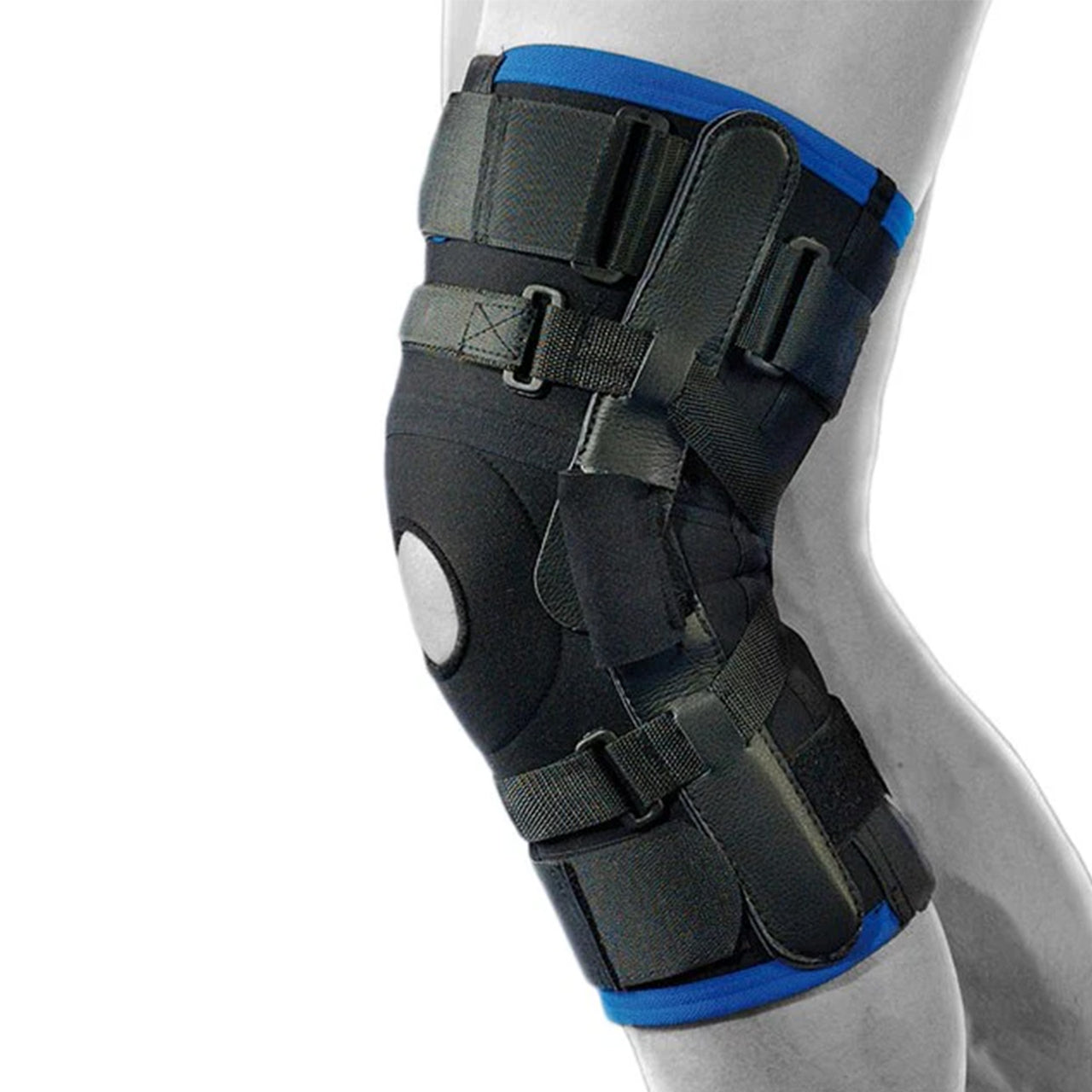
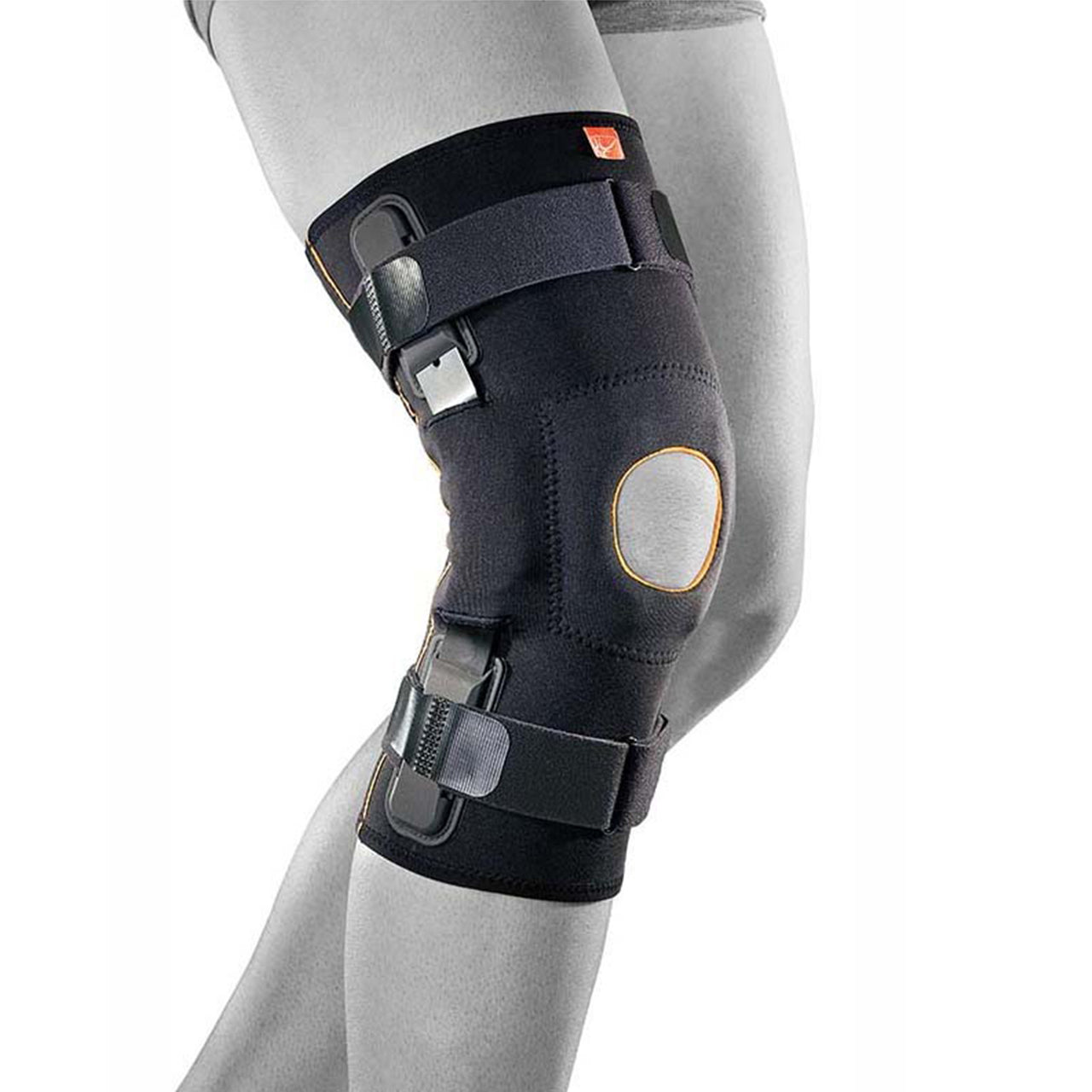
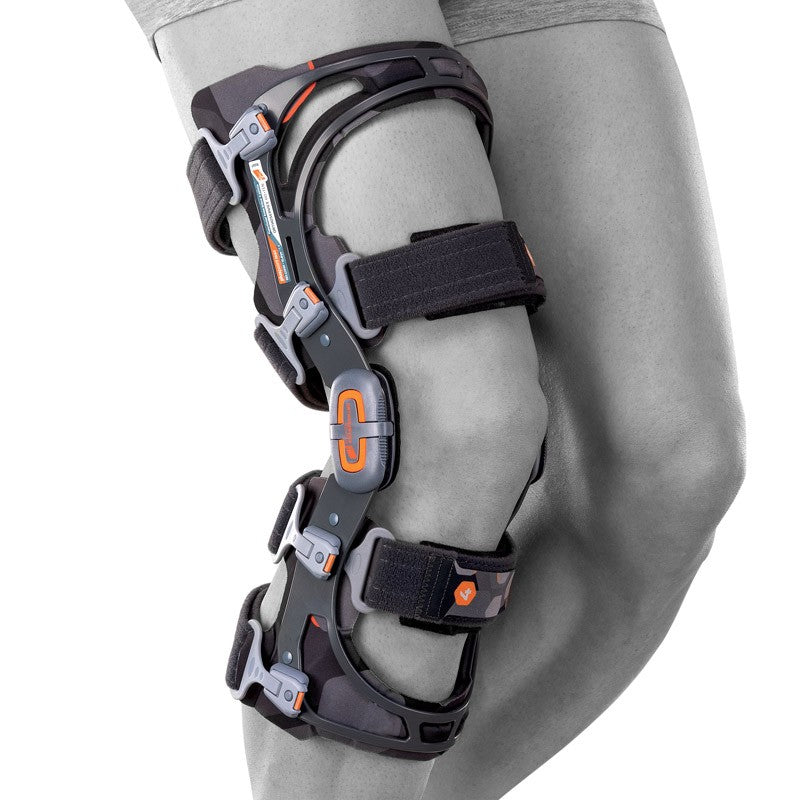
Eine Kniebandage kann zusätzlichen Halt, Wärme und Sicherheit beim Skifahren bieten, insbesondere wenn Sie eine frühere Knieverletzung oder Knieprobleme haben und Beschwerden an längeren Tagen auf der Piste vorbeugen möchten. Hier empfiehlt Ida sechs Modelle, die sich gut für das Skifahren und kältere Wetterbedingungen eignen.
Empfehlungen vom Physiotherapeuten – sechs Kniebandagen für die Skipiste
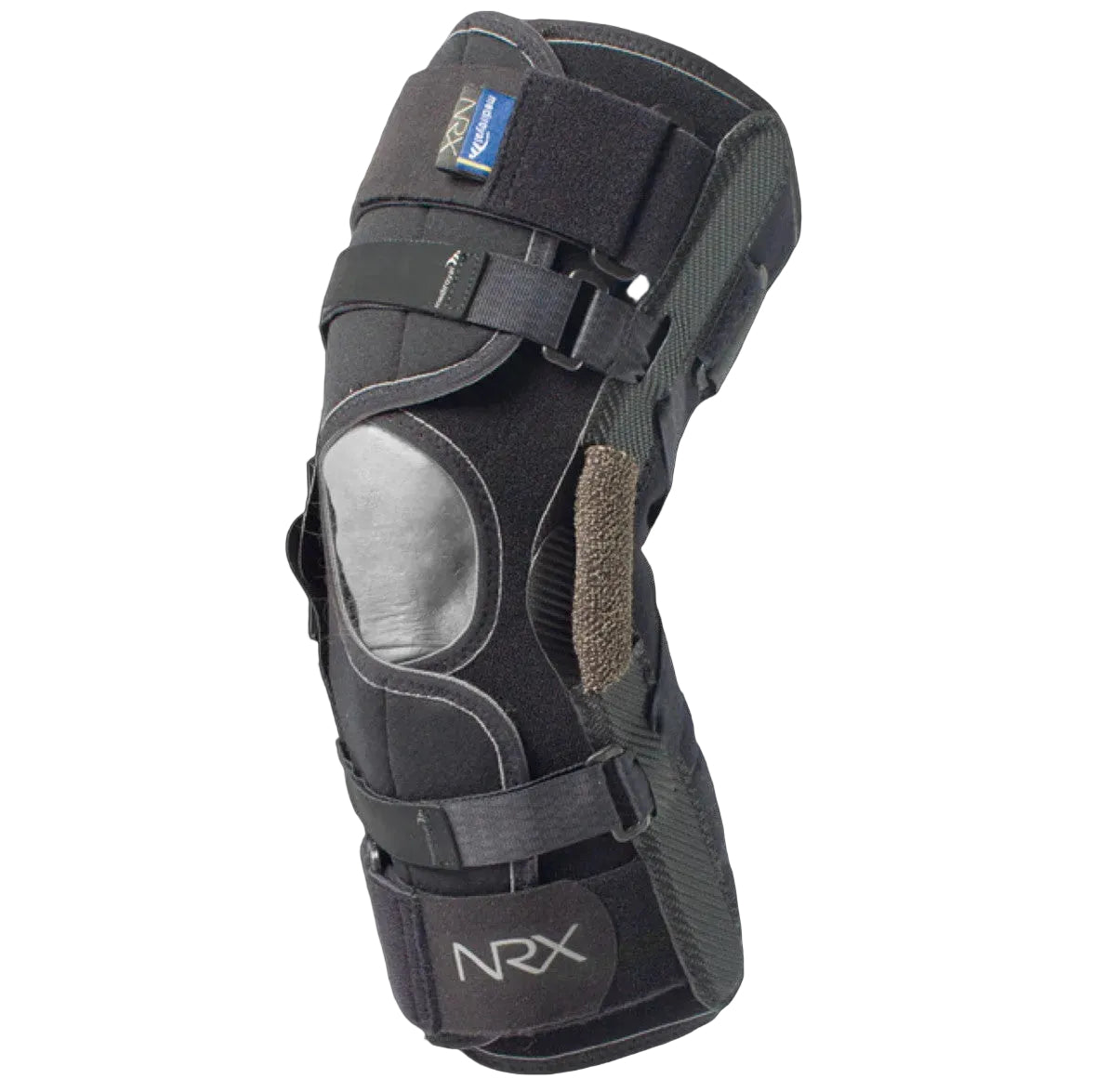
1. NRX Basic –Weiche und wärmende Kniebandage, die Kompression und leichten Halt bietet. Geeignet bei milden Arthrose-Beschwerden oder als präventive Unterstützung.
2. NRX Liga Light –Wärmende Kniebandage mit gelenkigen Schienen, die zusätzliche seitliche Stabilität bieten. Geeignet für diejenigen, die mehr Halt benötigen, beispielsweise nach einer Bänderverletzung.
3. GenuFIT mit Schienen –Stabile, aber flexible Kniebandage mit beweglichem Gelenk. Geeignet für Personen mit einer Bänderverletzung oder Meniskusverletzung.
4. Genum Liga X –Kombiniert seitliche Stabilität mit Unterstützung gegen Überstreckung des Knies. Entwickelt für vordere Kreuzbandverletzungen.
5. NRX Liga X Wrap –Die gleichen stabilisierenden Eigenschaften wie Genum Liga X, jedoch in einem Wickeldesign für einfachere Anwendung.
6. PP3 –Eines unserer stabilsten Kniebandagen – für Kreuzbandverletzungen, Bänderverletzungen und Kombinationsverletzungen im Knie, wie die "unhappy triad".
Wenn Sie mehr über verschiedene Knieverletzungen und welche Art von Unterstützung bei jeder Verletzung empfohlen wird, erfahren möchten, finden Sie dies in unserem Verletzungsratgeber.
Zusätzlich zu Training und einer passenden Kniebandage gibt es noch andere Dinge, die Sie tun können, um Verletzungen auf der Piste vorzubeugen.
Drei allgemeine Tipps zur Vermeidung von Verletzungen auf der Skipiste
- Fahren Sie nicht über Ihre Fähigkeiten hinaus – wählen Sie Pisten, die Ihrem technischen Niveau entsprechen.
- Wärmen Sie sich vor dem Fahren auf – ein paar Minuten Mobilität und Aktivierung machen einen großen Unterschied.
- Achten Sie auf die Ausrüstung – ein korrekt eingestellter Bindungswert verringert das Risiko von Verdrehkräften auf das Knie.
Mit dem richtigen Training, Technik und Kniebandagen können Sie eine sicherere und nachhaltigere Skisaison genießen – sowohl jetzt als auch in der Zukunft.