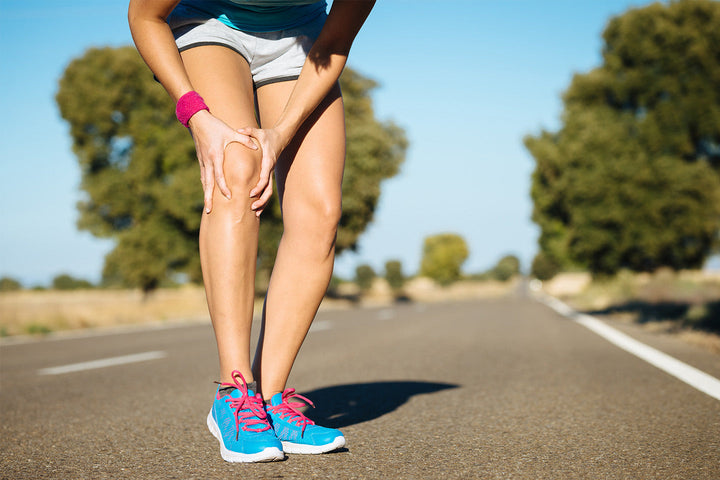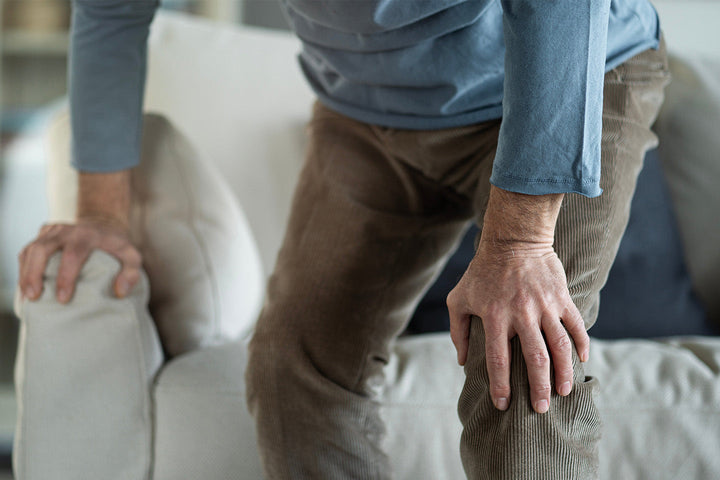

Das Springerknie, patellare Tendinopathie, ist eine Sportverletzung, die häufig Personen betrifft, die explosive Sportarten wie Volleyball, Basketball, Fußball und Leichtathletik ausüben. Die Verletzung wird durch Überlastung der Ansatzstelle der Patellarsehne am unteren Rand der Kniescheibe verursacht und führt zu Entzündungen und Schmerzen. Eine entlastende Kniebandage in Kombination mit Rehabilitationstraining kann effektiv zur Linderung der Beschwerden beitragen.
Was ist das Springerknie?
Ein Springerknie ist ein Einriss der Patellasehne an ihrem Ansatz am unteren Rand der Kniescheibe. Dieser Einriss führt zu lokalen Blutungen und Entzündungen, die Schmerzen am unteren Rand der Kniescheibe (Apex patellae) verursachen. Bei lang anhaltenden Beschwerden kommt es zu Veränderungen in der Sehne, die ihre mechanischen Eigenschaften beeinträchtigen. Das Springerknie tritt häufig bei Sportarten mit wiederholten Sprüngen und explosiven Bewegungen auf, bei denen die vordere Oberschenkelmuskulatur intensiv aktiviert wird.
Häufige Ursachen & Risikofaktoren
Das Springerknie entwickelt sich oft aufgrund wiederholter und starker Belastungen durch Sprünge und Landungen. Sportarten wie Volleyball, Basketball und Leichtathletik bergen ein hohes Risiko, aber auch Fußball und Gewichtheben können das Problem auslösen. Unzureichende Erholung, übermäßiges Training oder muskuläre Ungleichgewichte zwischen der Vorder- und Rückseite des Oberschenkels erhöhen ebenfalls das Risiko für das Springerknie.
Symptome
- Schmerzen am unteren Rand der Kniescheibe, oft deutlich bei Druck
- Steifheit und erhöhte Schmerzen bei Aktivität, insbesondere beim Springen, Treppensteigen oder Bergauflaufen
- Schmerzen und Steifheit nach Aktivität oder im Sitzen
- Manchmal Probleme beim Starten nach Ruhe oder Schlaf
Wann sollten Sie ärztliche Hilfe suchen?
Wenn die Schmerzen trotz Ruhe und Selbstpflege anhalten oder sich bei Aktivität verschlimmern, sollten Sie einen Physiotherapeuten oder Arzt zur Untersuchung und für ein individuelles Behandlungsprogramm kontaktieren.
Empfohlene Schutz- & Stützprodukte
Bei einem Springerknie ist es wichtig, die belastenden Trainingsmomente zu reduzieren und sofort mit einer gezielten Rehabilitation zu beginnen. Wie bei Beschwerden der Achillessehne ist es wichtig, die Sehne angemessen zu belasten und exzentrisch zu trainieren (unter Verlängerung). Wir empfehlen, einen Physiotherapeuten zur Unterstützung der Rehabilitation zu kontaktieren.
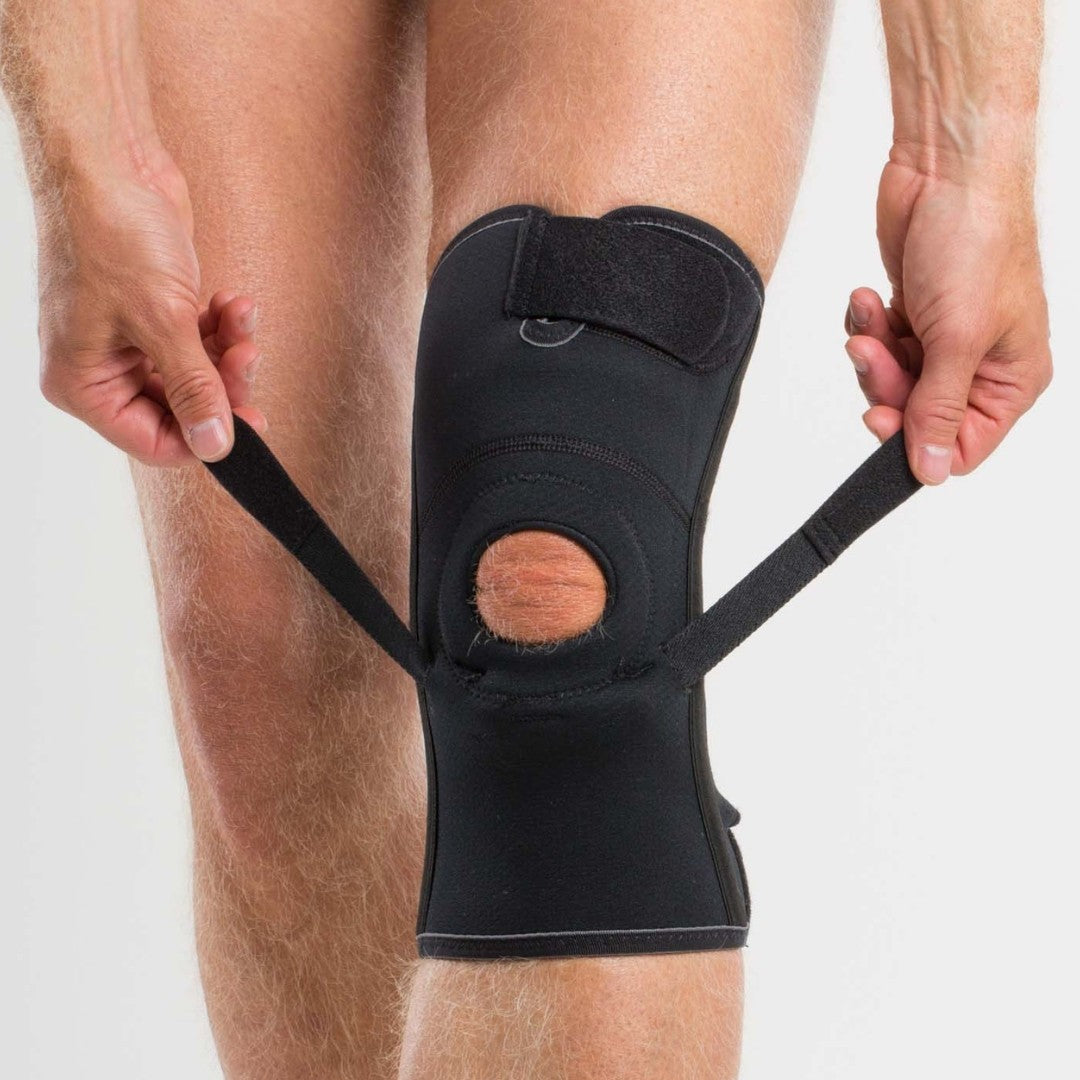
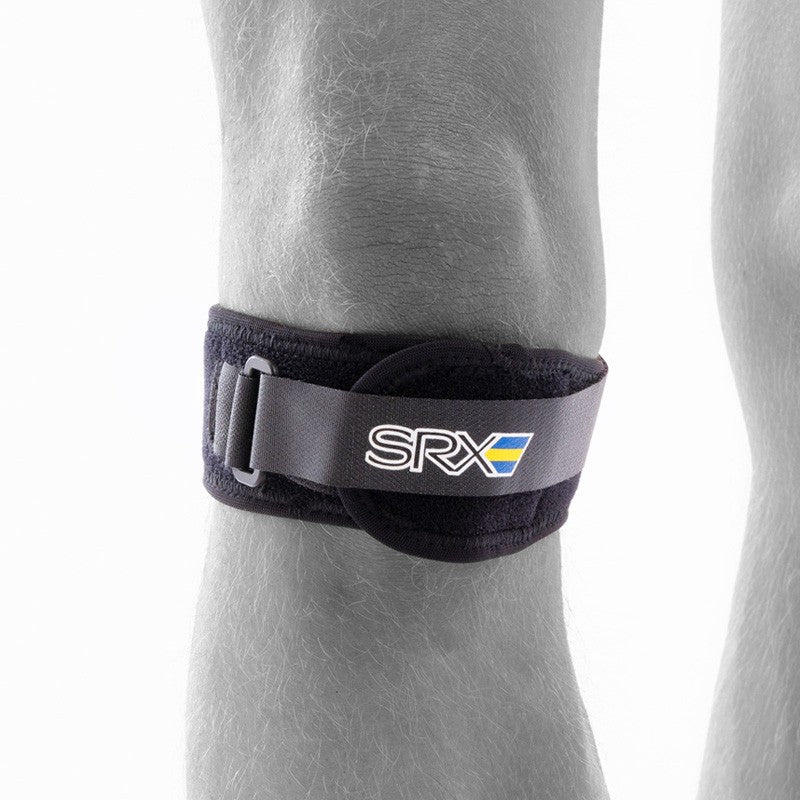
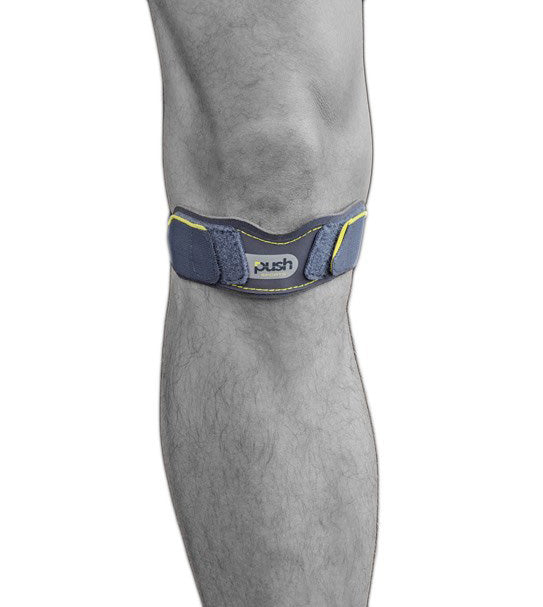
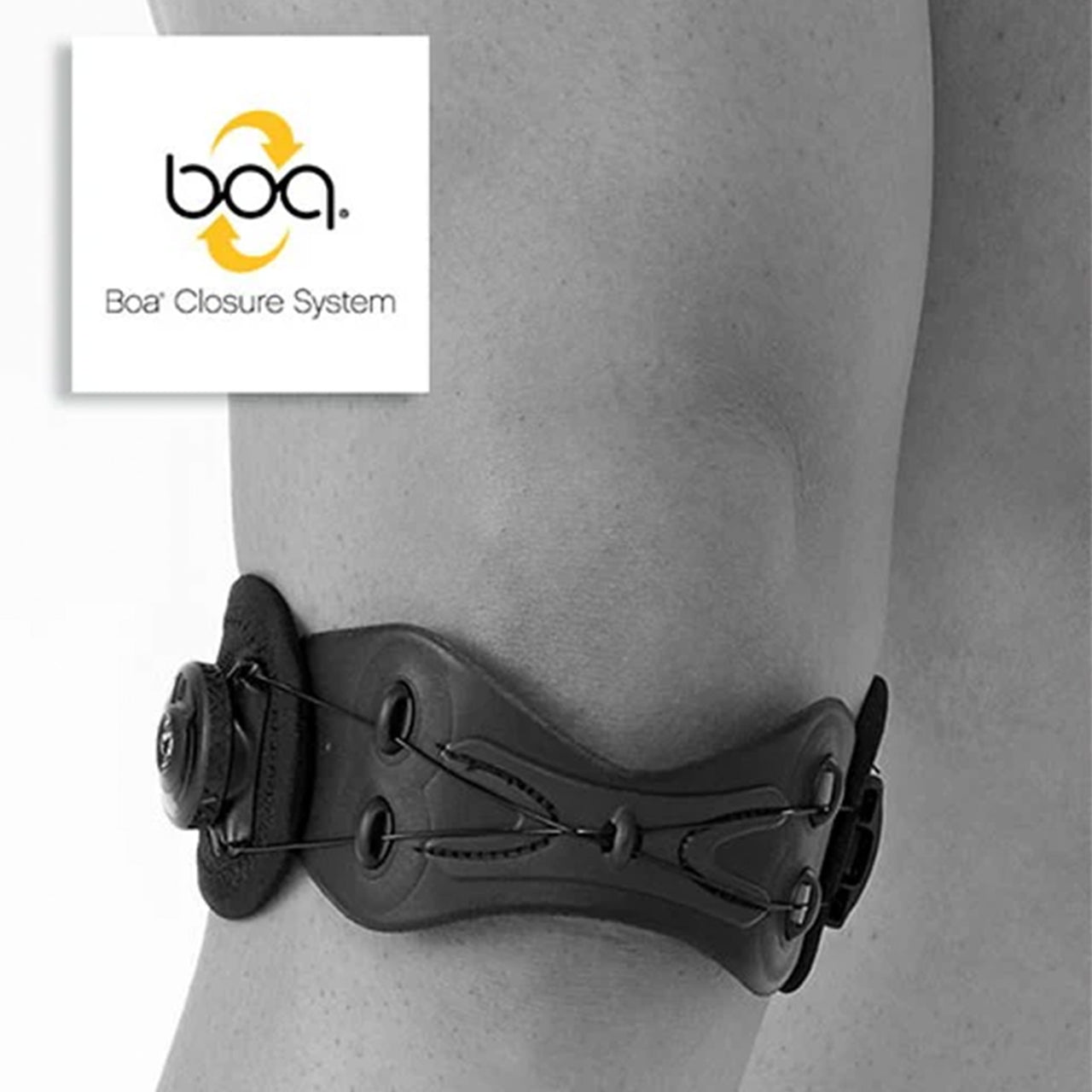
Ein Patellaband kann den Sehnenansatz entlasten und zu einer Schmerzlinderung beitragen. Unsere speziell für das Springerknie entwickelten Patellabänder verfügen über eine Pelotte, die unterhalb des unteren Randes der Kniescheibe positioniert wird, um den Sehnenansatz zu entlasten. Sie lindern Schmerzen bei Aktivität und ermöglichen ein Training mit weniger Beschwerden.
Sehen Sie sich unsere Produkte an, die bei einem Springerknie helfen können
Verwandte Verletzungen
Im Verletzungsratgeber Knie können Sie mehr über häufige Verletzungen und Beschwerden des Knies erfahren. Sie können auch zur Hauptseite des Verletzungsratgebers gehen, um über andere Verletzungen und Symptome zu lesen.