
Das Läuferknie (Iliotibialbandsyndrom) ist eine häufige Überlastungsverletzung bei ungeübten Läufern und tritt oft auf, wenn das Lauftraining zu schnell gesteigert wurde. Die Verletzung verursacht deutliche Schmerzen an der Außenseite des Knies und kann sich bei fortgesetzter Aktivität verschlimmern. Mit der richtigen Entlastung und Rehabilitationsübungen können die Beschwerden gelindert und wiederkehrende Probleme verhindert werden.
Was ist das Läuferknie?
Das Läuferknie entsteht, wenn das Iliotibialband (ITB) an der Außenseite des Oberschenkels überlastet wird. Ein älteres Erklärungsmodell besagt, dass die Schmerzen durch die Reibung entstehen, die auftritt, wenn die Sehne beim Beugen des Knies über den knöchernen Vorsprung an der Außenseite des Knies gleitet. Neuere Forschungsergebnisse deuten jedoch darauf hin, dass die Schmerzen vielmehr durch die Kompression des empfindlichen Gewebes unter der Sehne verursacht werden. Die Reizung führt häufig zu einer lokalen Entzündung und Schmerzen, die zunächst diffus wahrgenommen werden können, beim Laufen oder anderen einseitigen Belastungen jedoch stechend werden.
Häufige Ursachen und Risikofaktoren
Die häufigste Ursache für das Läuferknie ist eine zu schnelle Steigerung des Lauftrainings, sodass sich das Gewebe nicht rechtzeitig an die höhere Belastung anpassen konnte. Bergablaufen und das Laufen auf schmalen Waldwegen können besonders belastend sein, da die Neigung hohe Kräfte auf die Sehne ausübt und ein schmalerer Laufstil die Belastung zusätzlich erhöhen kann.
Symptome
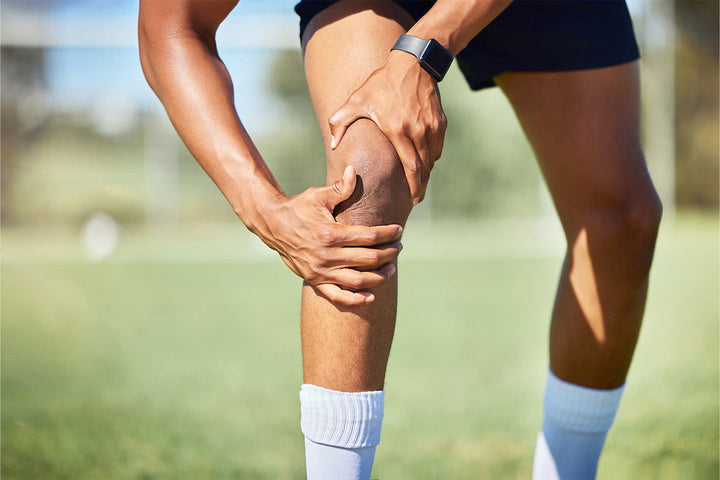
- Stechende Schmerzen an der Außenseite des Knies, häufig über dem unteren äußeren Knochenvorsprung des Oberschenkelknochens.
- Die Schmerzen nehmen beim Laufen allmählich zu und können dazu führen, dass die Aktivität abgebrochen werden muss.
- Druckschmerz sowie manchmal leichte Schwellungen oder eine lokale Erwärmung.
- Die Beschwerden bessern sich häufig in Ruhe, kehren bei Belastung jedoch schnell zurück.
Wann sollten Sie ärztliche Hilfe in Anspruch nehmen?
Wenn die Schmerzen trotz Entlastung nicht nachlassen, die Beschwerden bei jeder Aktivität wieder auftreten oder das Knie anschwillt, sollten Sie einen Physiotherapeuten oder medizinisches Fachpersonal aufsuchen.
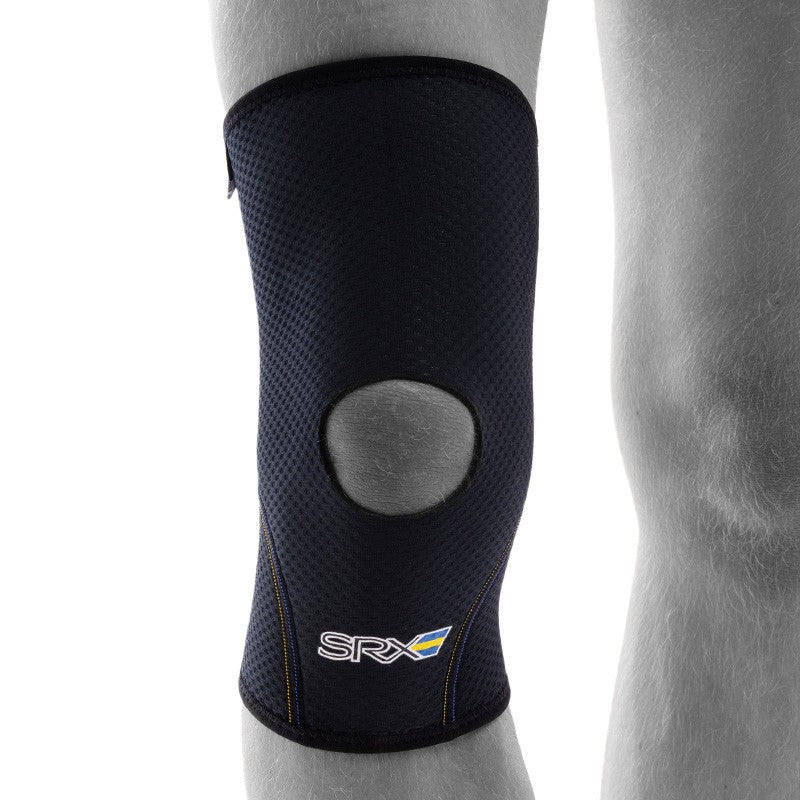
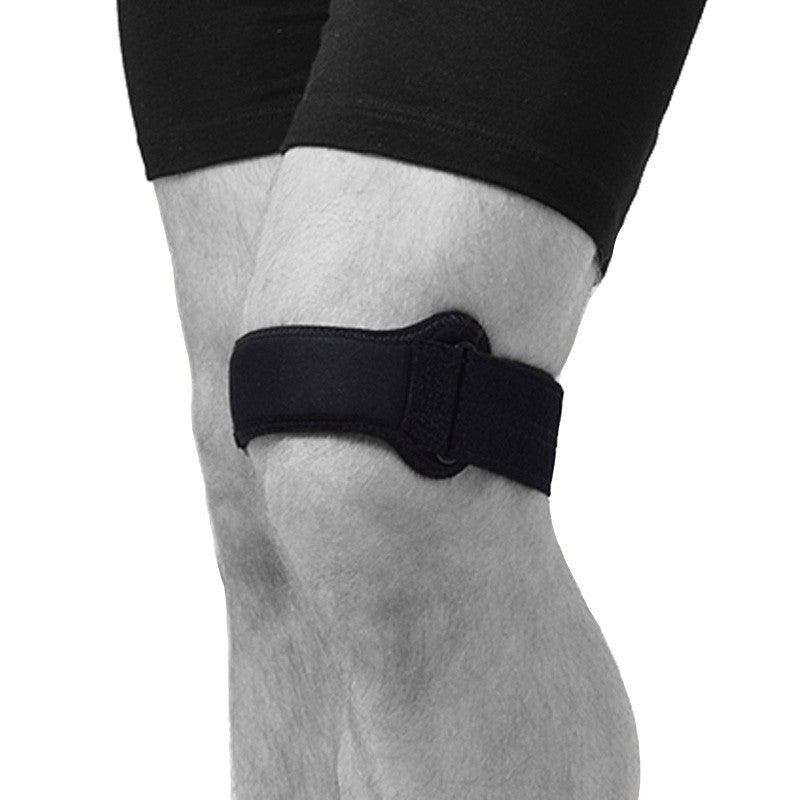
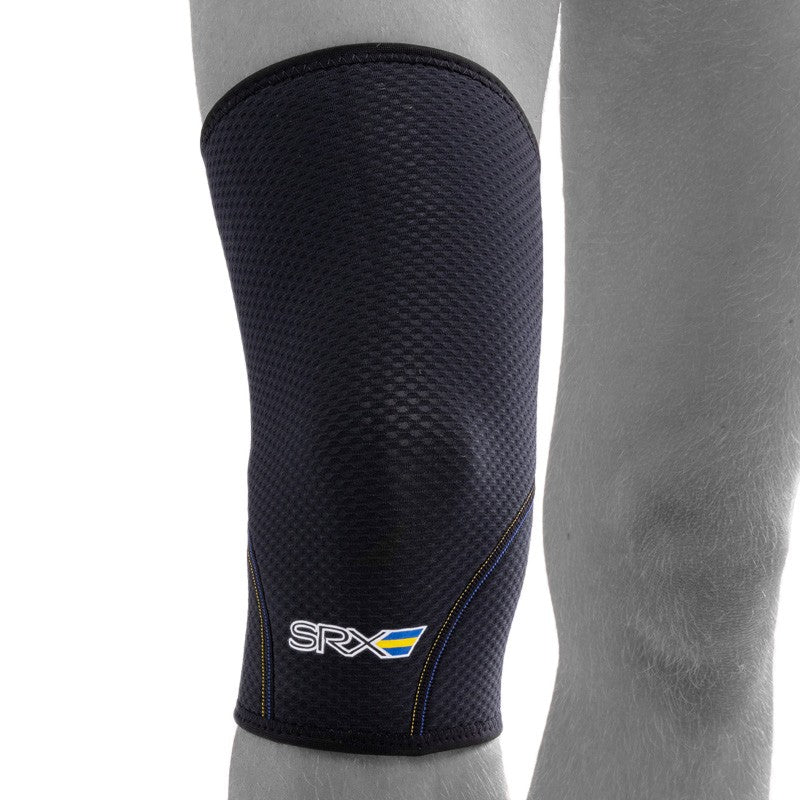
Empfohlene Bandagen und Orthesen
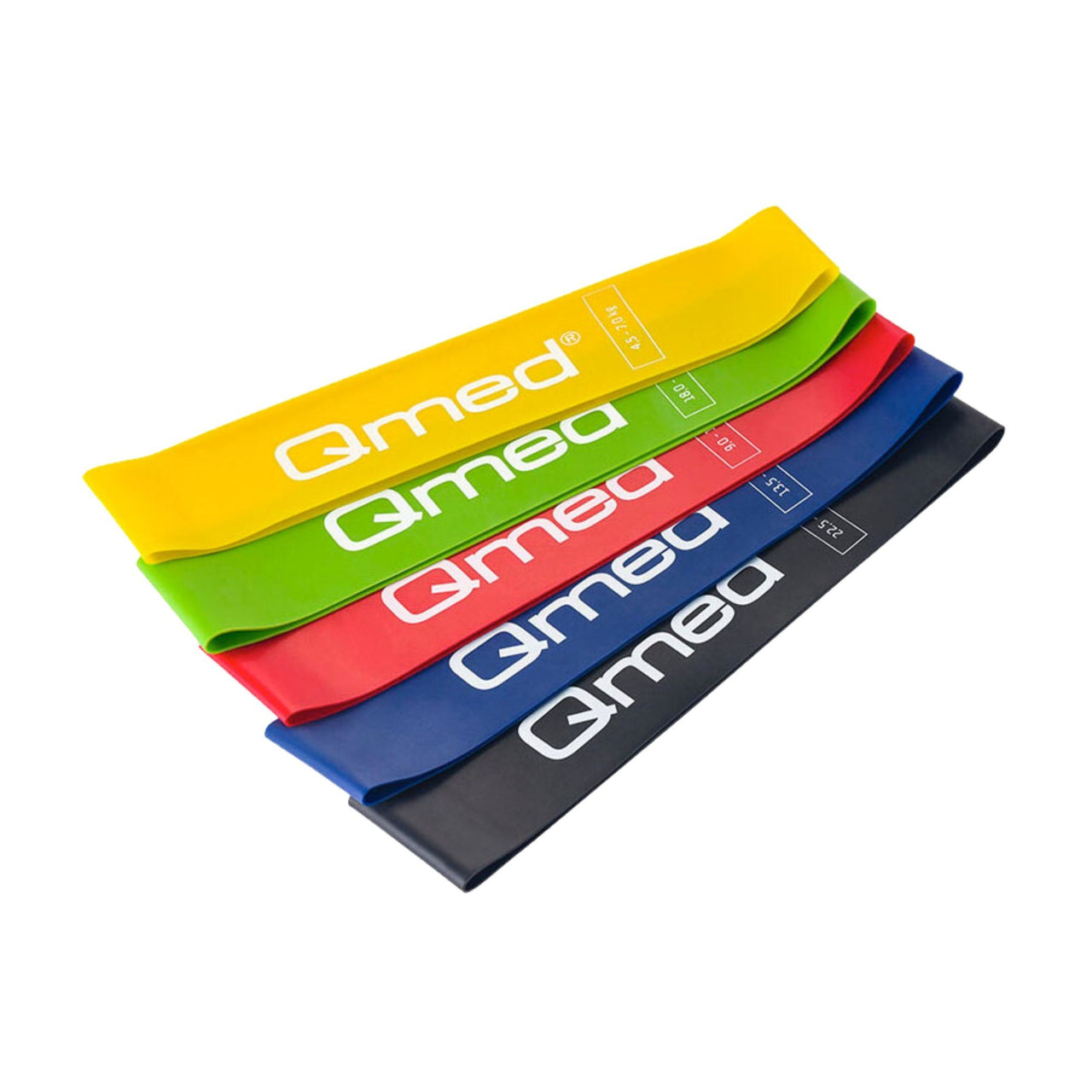
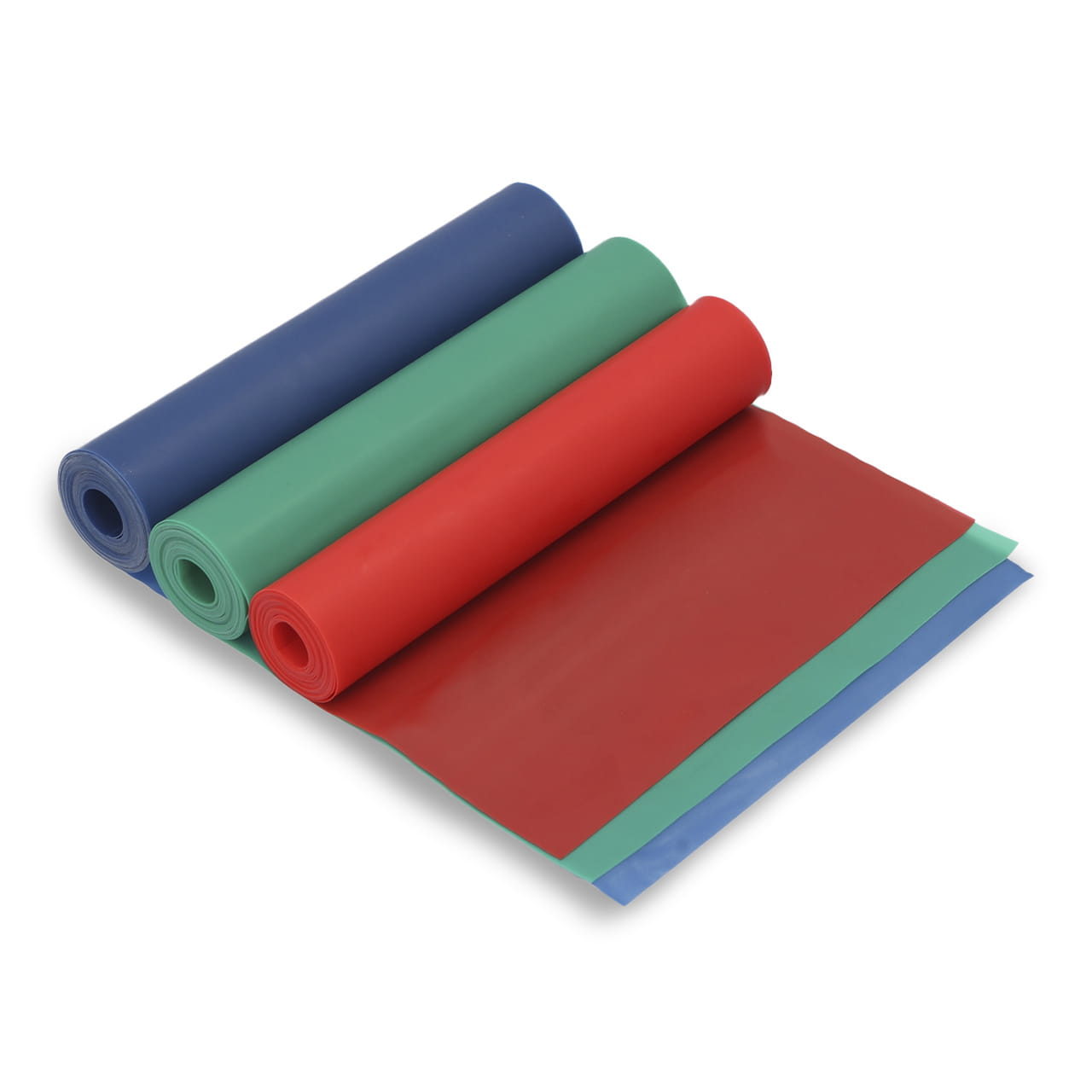
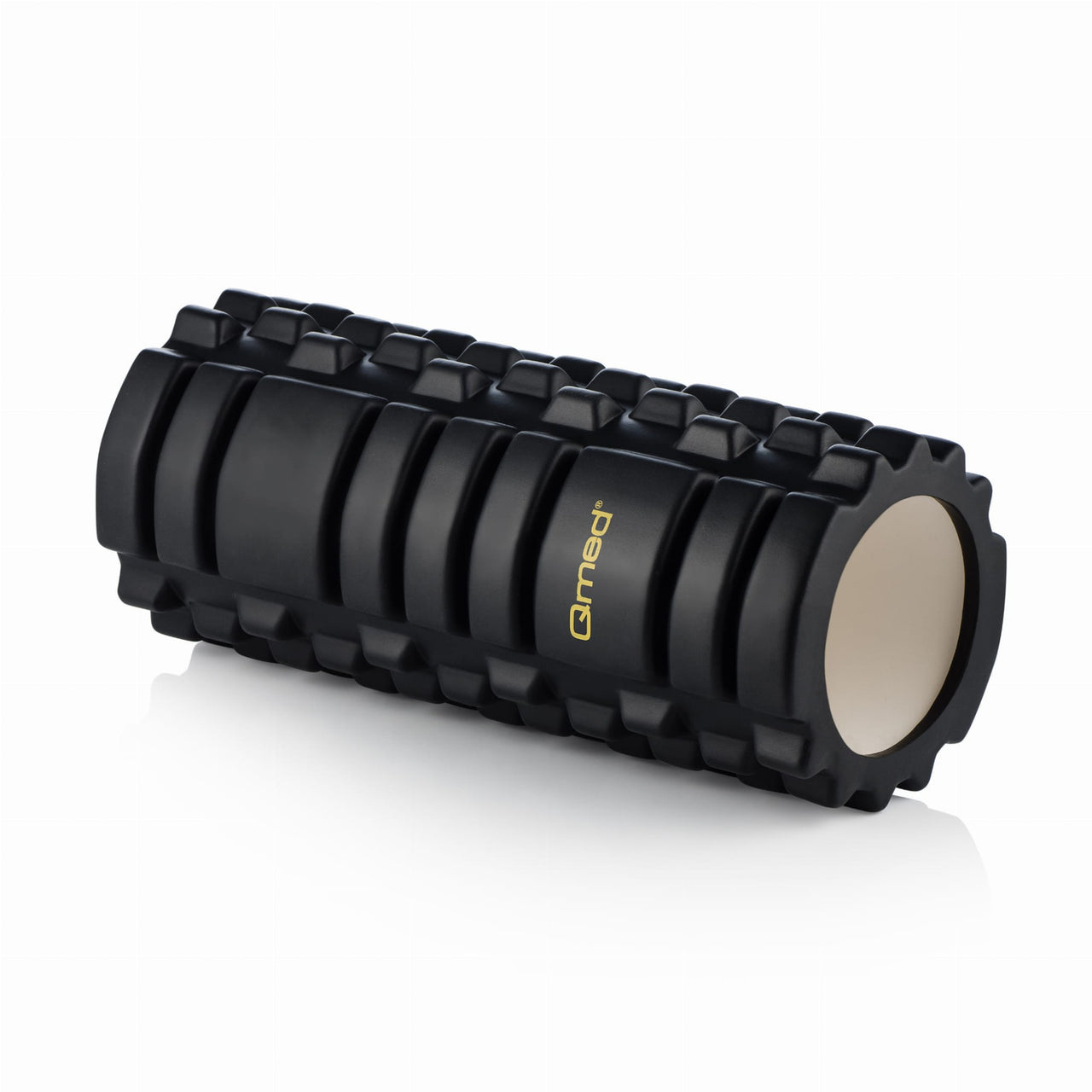
Bei einem Läuferknie ist es oft notwendig, eine Pause vom Laufen einzulegen, damit die Beschwerden abklingen können. Ersetzen Sie das Lauftraining durch alternative Sportarten, die die Beschwerden nicht verschlimmern, zum Beispiel Radfahren oder Schwimmen. Ein wichtiger Bestandteil der Rehabilitation ist die Kräftigung der Waden- und Hüftmuskulatur sowie die schrittweise Steigerung der Belastung. Manche Betroffene empfinden die Massage der Sehne mit einer Faszienrolle (Foam Roller) als schmerzlindernd. Da das zugrunde liegende Problem jedoch eine Kompression des Gewebes ist, kann zusätzlicher Druck auf das Gewebe auch negative Auswirkungen haben. Bei der Rückkehr zum Lauftraining ist es wichtig, die Belastung schrittweise zu steigern, um Rückschläge zu vermeiden.
Entdecken Sie unsere Produkte zur Entlastung bei einem Läuferknie
Verwandte Beschwerden
In unserem Knie-Verletzungsratgeber können Sie mehr über häufige Knieverletzungen und Kniebeschwerden lesen. Sie können auch zur Hauptseite des Verletzungsratgebers wechseln, um mehr über andere Verletzungen und Symptome zu erfahren.