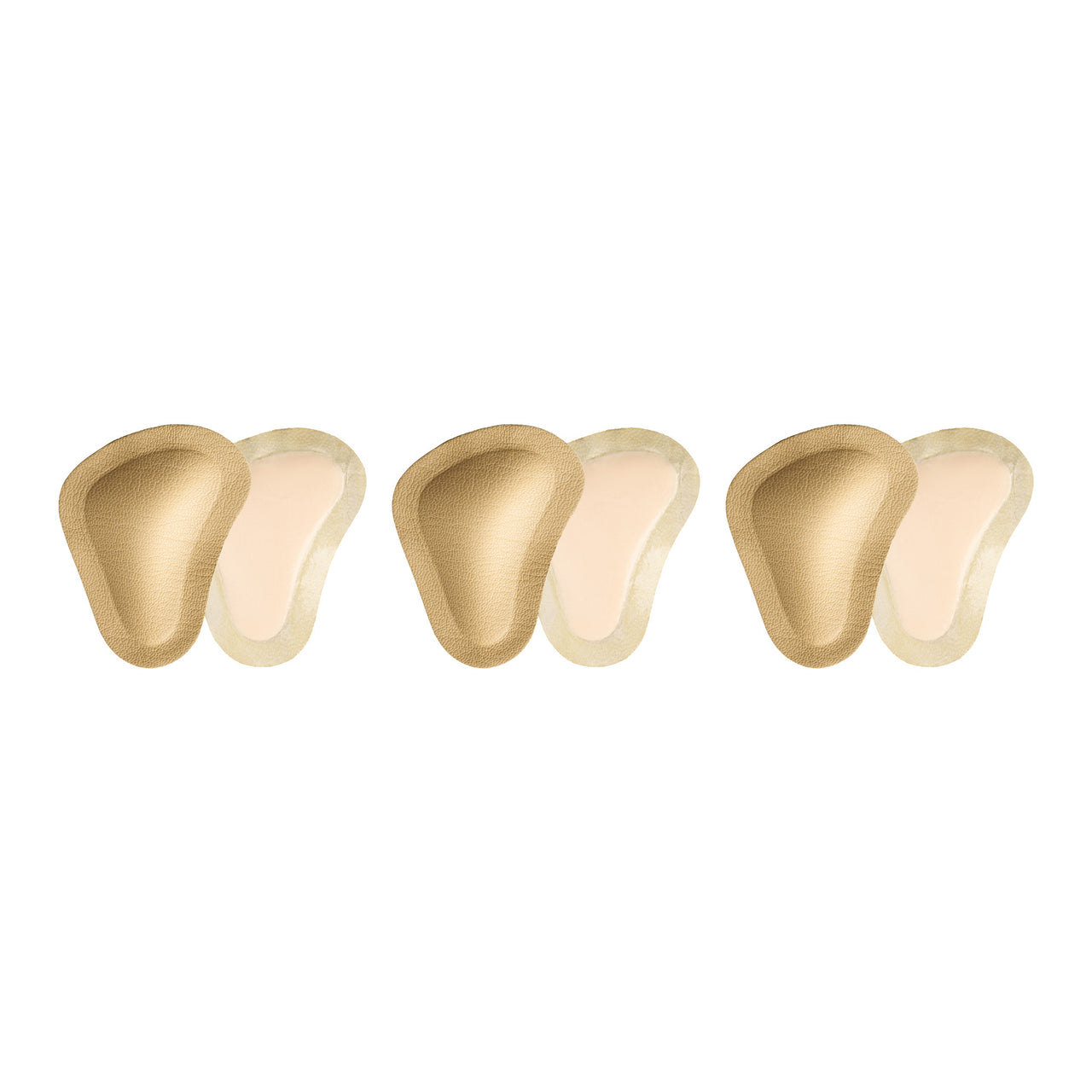
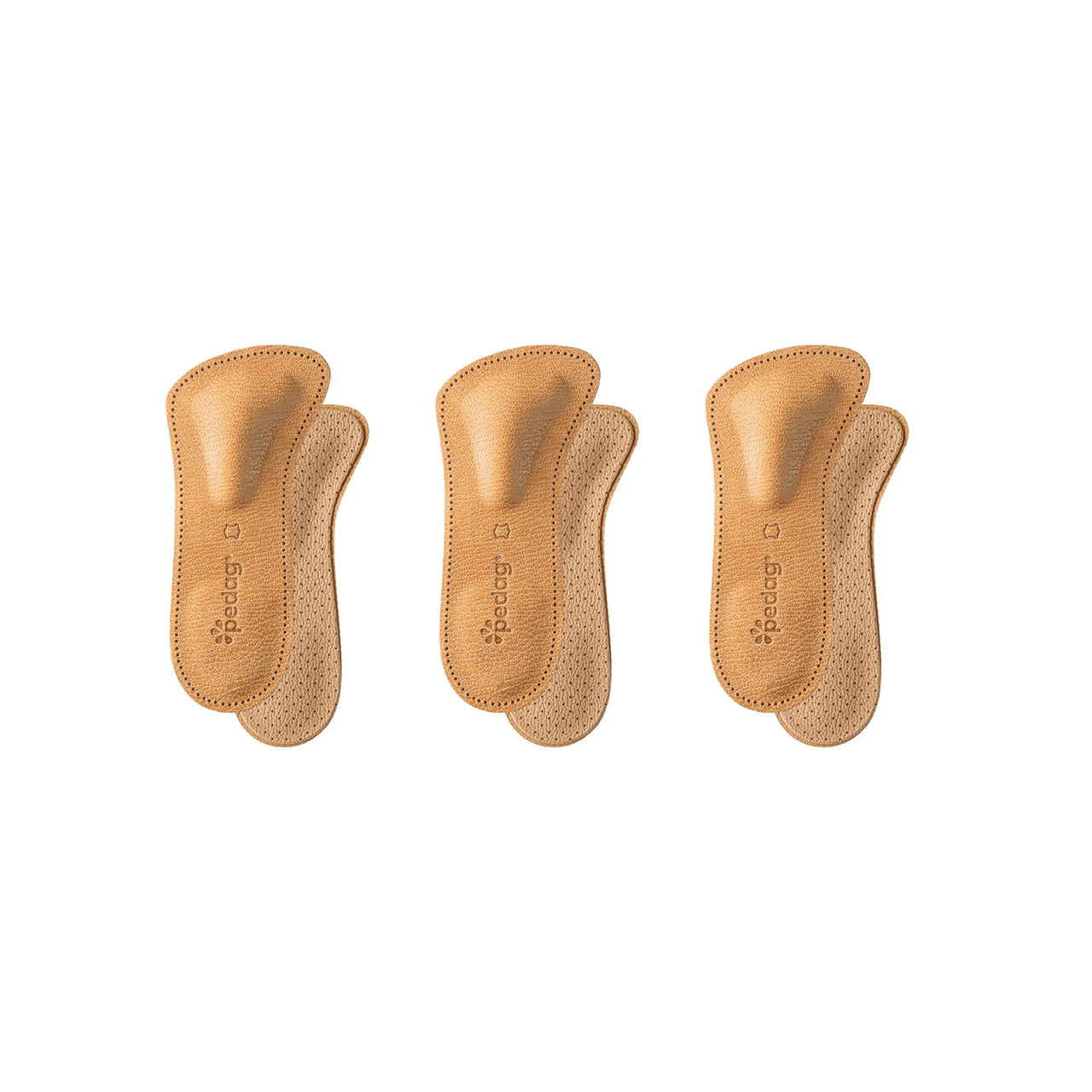
Morton-Neurom, auch bekannt als Mortonsyndrom, ist eine häufige Ursache für Schmerzen im Vorfuß. Bei diesem Zustand wird ein Nerv im Vorfuß zwischen den Gelenkköpfen eingeklemmt oder gereizt, was sowohl dumpfe als auch intensive Schmerzen verursachen kann. Die richtige Unterstützung im Schuh kann den Druck auf den Vorfuß verringern und das Unbehagen reduzieren.
Was ist ein Morton-Neurom?
Ein Morton-Neurom ist ein Zustand, bei dem ein Nerv im Vorfuß gereizt oder eingeklemmt wird, meist zwischen dem dritten und vierten Zehengelenk. Wenn der Raum zwischen den Gelenkköpfen des Fußes abnimmt, kann der Nerv unter Druck geraten, was Schmerzen, Taubheit oder ein brennendes Gefühl im Vorfuß verursacht.
Das Problem tritt häufig auf, wenn das vordere Fußgewölbe absinkt und die Belastung im Vorfuß zunimmt. Die Schmerzen können als stechend, brennend oder wie ein elektrischer Schlag beschrieben werden und werden oft durch enge oder hochhackige Schuhe verschärft.
Physiotherapeuten-Tipps bei Morton-Neurom
"Beim Morton-Neurom ist es wichtig, den Druck auf den Nerv im Vorfuß zu reduzieren. Eine Pelotte oder eine Einlage mit Pelotte kann helfen, das Quergewölbe anzuheben und den gereizten Nerv zu entlasten. Die richtige Platzierung und Passform sind entscheidend für die bestmögliche Wirkung."
Ida
Staatlich geprüfte Physiotherapeutin · Rehaboteket
Symptome
- Lokalized Schmerzen im Vorfuß, normalerweise zwischen dem dritten und vierten Zeh
- „Stechende“ oder elektrische Schmerzen bei Belastung
- Schmerzen, die auch in Ruhe auftreten können, wenn der Nerv entzündet ist
- Wiederkehrende Hornhautbildung unter dem Vorfuß als Zeichen eines gesunkenen Fußgewölbes
Die Symptome eines Morton-Neuroms treten häufig in Situationen auf, in denen der Vorfuß belastet oder zusammengedrückt wird.
Wann tut ein Morton-Neurom am meisten weh?
Die Schmerzen eines Morton-Neuroms treten häufig in Situationen auf, in denen der Druck auf den Vorfuß zunimmt.
Beim Gehen oder Stehen
Wenn der Vorfuß belastet wird, erhöht sich der Druck zwischen den Gelenkköpfen, wo der Nerv gereizt werden kann.
Beim Tragen enger Schuhe
Schuhe, die den Vorfuß zusammendrücken, können den Druck auf den Nerv erhöhen und die Schmerzen verschlimmern.
Beim Tragen von High Heels
High Heels verlagern das Körpergewicht nach vorne in den Fuß und erhöhen die Belastung des Vorfußes.
Bei längeren Spaziergängen oder Aktivitäten
Die Schmerzen können nach längerer Belastung des Vorfußes allmählich zunehmen.
Häufige Ursachen & Risikofaktoren
Ein gesunkenes vorderes Fußgewölbe ist eine der häufigsten Ursachen für ein Morton-Neurom, da es den Raum zwischen den Gelenkköpfen des Fußes verringert und den Druck auf den Nerv erhöht.
Enge Schuhe können den Vorfuß zusammendrücken und den Druck weiter erhöhen. High Heels verlagern das Körpergewicht nach vorne in den Fuß und erhöhen die Belastung des Vorfußes. Hohe Trainingsbelastungen, langes Gehen auf harten Oberflächen und Sportarten mit hoher Vorfußbelastung können ebenfalls zur Entwicklung des Zustands beitragen.
Wann sollten Sie medizinische Hilfe suchen?
Bei anhaltenden Schmerzen im Vorfuß, die trotz breiterer Schuhe, Entlastung oder Einlagen nicht besser werden, sollte ein Arzt zur Beurteilung kontaktiert werden. Dies gilt insbesondere, wenn die Schmerzen das Gehen, Training oder alltägliche Aktivitäten beeinträchtigen.
Empfohlene Schutz- & Unterstützungsmöglichkeiten
Bei einem Morton-Neurom können der richtige Schutz und die Entlastung dazu beitragen, Schmerzen zu reduzieren und den Komfort im Alltag und bei Aktivitäten zu erhöhen. Ein häufiges Hilfsmittel ist eine Pelotte, eine spezielle Vorfußstütze, die das vordere Fußgewölbe anhebt.
Die Pelotte reduziert den Druck zwischen den Gelenkköpfen des Vorfußes und entlastet den Nerv, was oft schnelle Linderung verschafft. Pelotten können direkt im Schuh befestigt oder in einer 3/4-Sohle enthalten sein, die zwischen verschiedenen Schuhen gewechselt werden kann.
Alle Bandagen und Stützen ansehen, die bei Morton-Neurom entlasten können
Verwandte Verletzungen
Für weitere Informationen über den Fuß und die Ferse können Sie im Verletzungsratgeber Fuß & Ferse weiterlesen. Sie können auch zur Hauptseite des Verletzungsratgebers gehen, um über andere Verletzungen und Symptome zu lesen.
Der Verletzungsratgeber – schnelle Hilfe bei Schmerzen und Verletzungen
In unserem Verletzungsratgeber erhalten Sie klare und leicht verständliche Informationen über häufige Verletzungen, wie sie entstehen und welche Symptome typischerweise auftreten. Sie erhalten auch Empfehlungen, welche Bandagen und Orthesen Ihre Beschwerden lindern und Sie in Ihrer Rehabilitation unterstützen können. Alle Informationen basieren auf dem Fachwissen unserer lizenzierten Physiotherapeutin.
Finden Sie die richtigen Bandagen und Orthesen für Ihre Bedürfnisse
Es gibt mehrere Möglichkeiten, das richtige Produkt auf unserer Website zu finden. Für eine persönlichere Auswahl können Sie unsere Filter nutzen und nach Verletzung, Körperteil oder Sport sortieren. Sie können auch Hilfe von unserem AI-Assistenten Eir erhalten, der auf alle Inhalte unserer Website trainiert ist und Ihnen bei Produktempfehlungen, Passformfragen und bestellbezogenen Anliegen – rund um die Uhr – helfen kann. Wenn Sie lieber direkt mit unserem staatlich annerkannten Physiotherapeuten sprechen möchten, können Sie uns per E-Mail für persönliche Beratung und Unterstützung bei der Produktauswahl kontaktieren.